


Small Round Pedestal
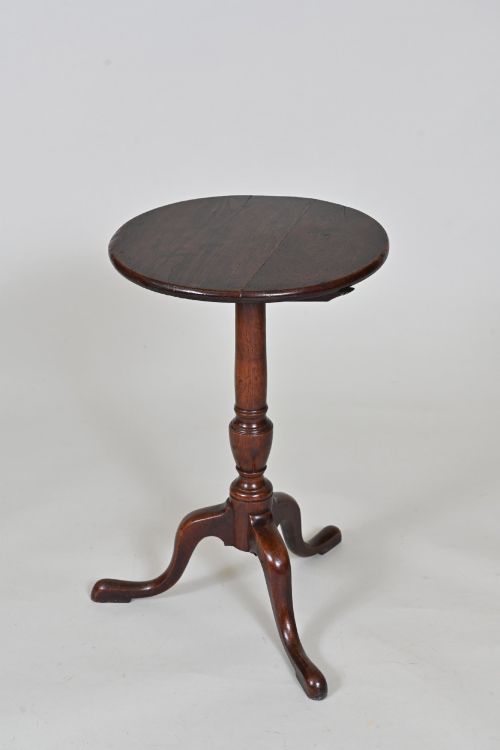
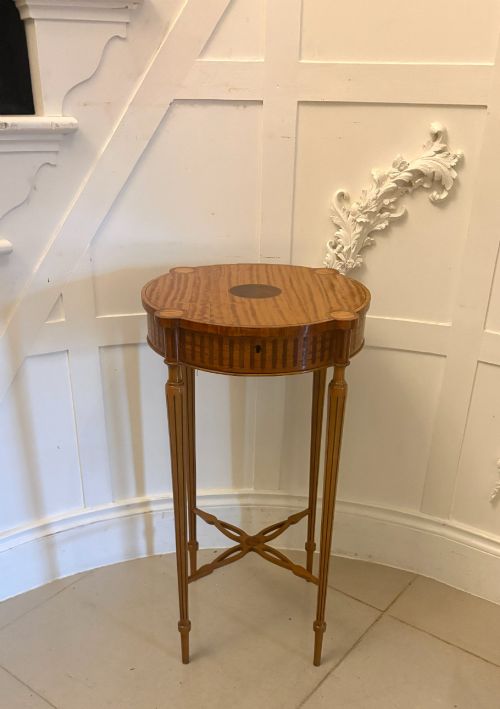
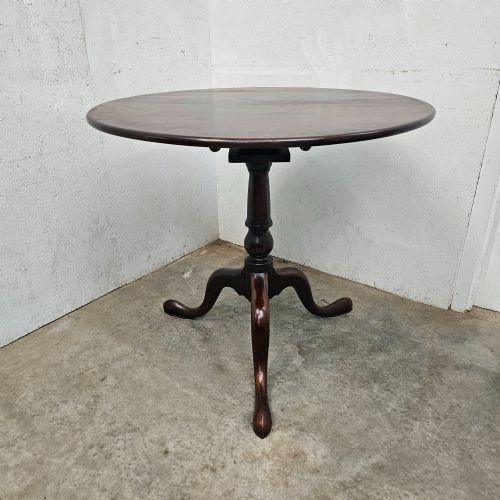
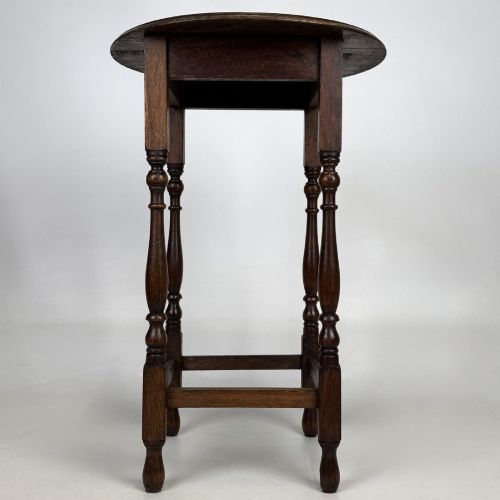
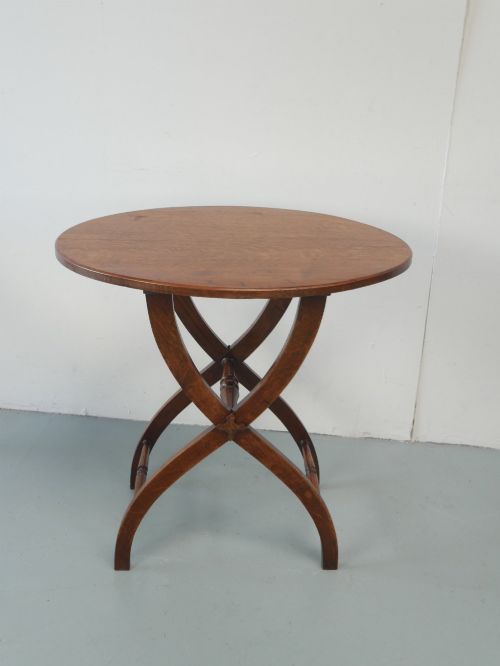
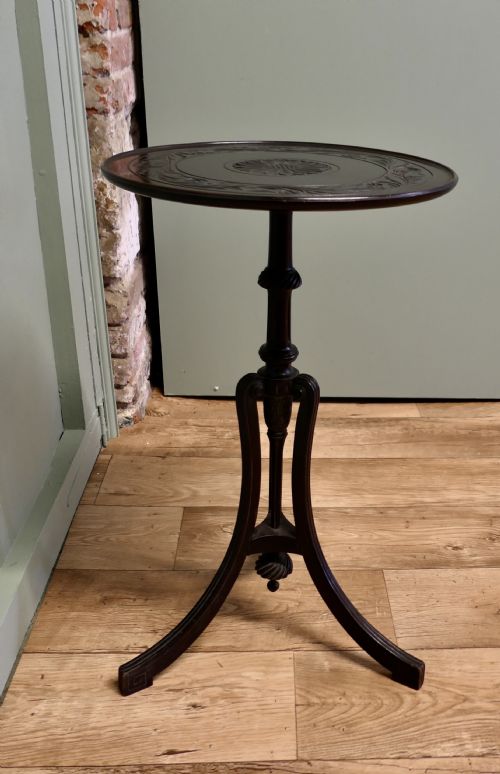
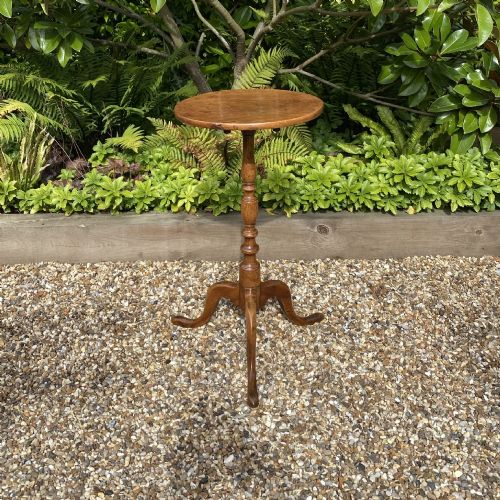
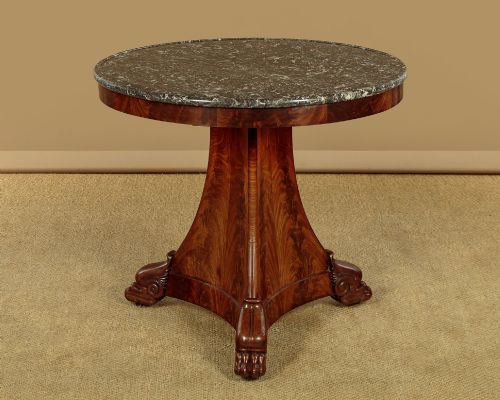
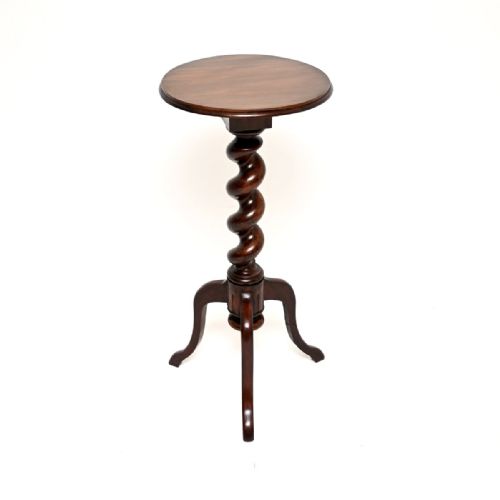
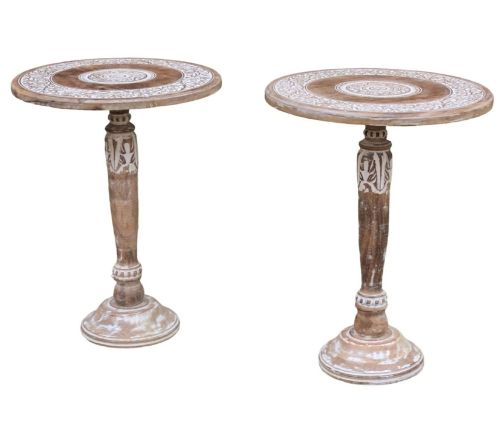
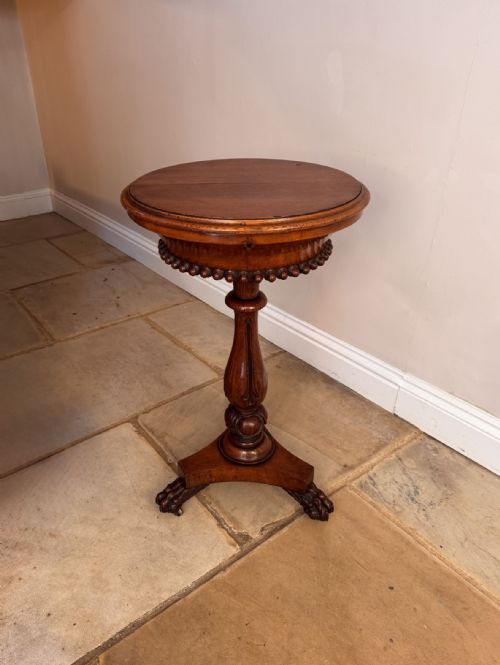
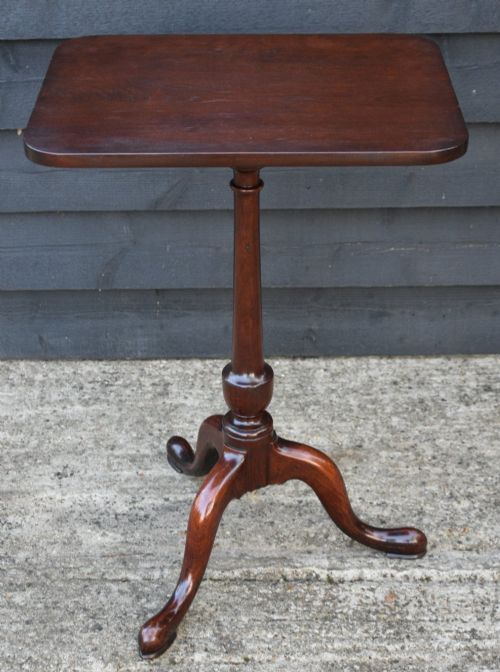
These small round pedestal tables offer compact surfaces for lamps or wine, bringing period character and practical charm to tight corners.
Small Round Pedestal
When you search for a small round pedestal table, you find a variety of compact occasional furniture designed to hold drinks, lamps or books without crowding a room. The selections here lean heavily toward nineteenth century Victorian and Edwardian examples, alongside Georgian designs and revival pieces.
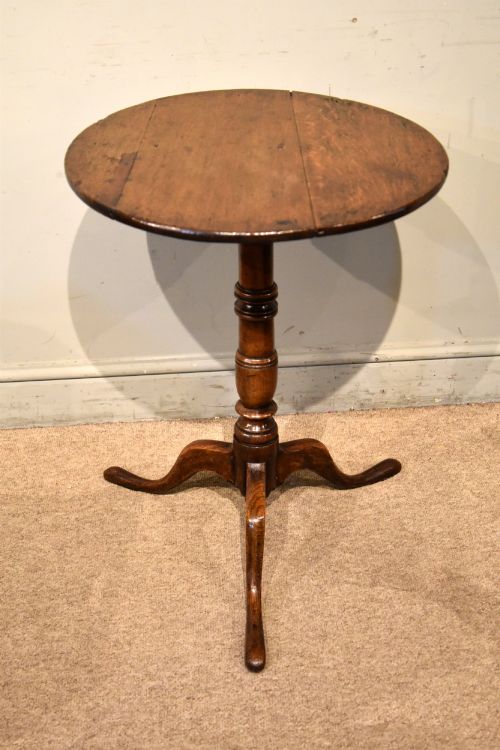
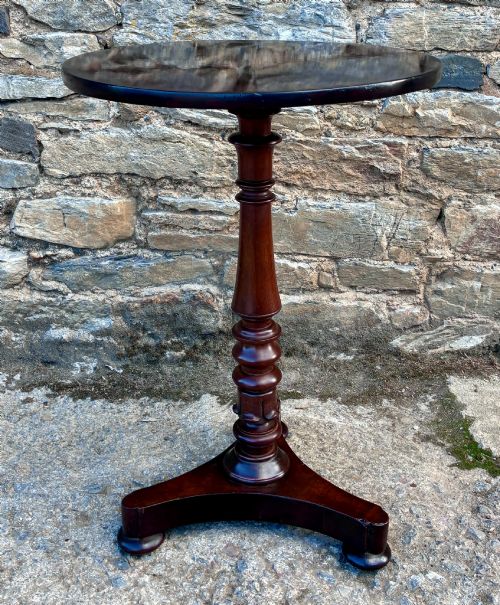
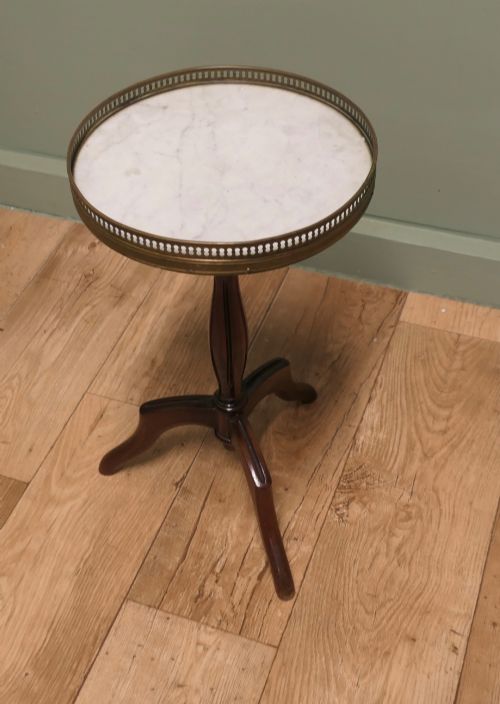
Most items function as wine tables, lamp tables or occasional tables supported by a central pillar and a tripod or weighted base. Forms range from plain timber tops to tilt-top mechanisms, dished edges and inlaid surfaces suited for drawing rooms or corners.
Origins span English workshops alongside Swedish, French and Indian makers, showing how widely these small tables were produced across Europe and beyond. Walnut, mahogany, oak and rosewood dominate the listings, offering sturdy timber construction in portable sizes.
How they were made
Cabinetmakers constructed these tables using solid hardwoods such as mahogany, walnut, oak and rosewood, frequently pairing turned central pillars with three splayed legs for stability. Tops were often turned on a lathe or formed from single timber boards, sometimes featuring raised dish edges or removable designs.
Decorative work relied on timber veneers, marquetry inlay, hand painting and carved details like barley twists, bobbin turnings or tripod feet. French polish, wax or paint finishes protected the wood while highlighting the natural grain and colour.
Tilt-top mechanisms utilised wooden catches and metal hinges to allow the surface to fold vertical when not in use, saving floor space in smaller chambers.
Small Round Pedestal Retail Price Guide 2026
Typical asking prices for small round pedestal among the pieces listed under this phrase on Sellingantiques today, from the lower quarter to the upper quarter. They describe what is for sale here now, not the wider market.
Some tiny nineteenth-century tables feature removable tops that double as serving trays for afternoon guests.
What varies in quality
The choice of timber and the precision of the joinery separate standard utility pieces from finer parlour tables. Denser grain, well-figured mahogany or burr birch, and crisp hand-carved details indicate a higher standard of craftsmanship.
Proportion and balance dictate the elegance of a pedestal table, where a slender turned column must support the top firmly without wobbling. Subtle execution of inlay work and the integrity of the tilt mechanism further distinguish superior examples.
Bulstrode Cambridge
The Small Round Pedestal Glossary
- Tripod table
- A small occasional table supported by a central pillar resting on three legs.
- Tilt-top
- A table top hinged to the pedestal so it can pivot vertically for storage.
- Dish top
- A circular table top with a raised rim carved directly from the solid timber.
- Wine table
- A compact occasional table originally designed to hold glasses or bottles.
- Inlay
- Decorative patterns created by fitting contrasting woods or materials into the main surface.
Small Round Pedestal: Frequently Asked Questions
What is a small round pedestal table used for?
These pieces serve as handy ledges next to chairs or sofas for holding drinks, books or reading lamps. Their compact footprint allows them to fit easily into tight corners where larger furniture will not go.
Historically, they moved around rooms as needed, acting as wine tables during evening gatherings or lamp stands during darker hours.
How do I identify a Victorian pedestal table?
Victorian examples frequently feature dense mahogany or walnut timbers, often with turned columns displaying barley twist or bobbin details. Many include tilt-top mechanisms or tripod bases suited for heavy daily use.
Look for the rich warm tones of the wood and the solid construction typical of nineteenth-century workshop practices.
How do I care for antique wood tables?
Keep wooden surfaces away from direct sunlight and strong heat sources to prevent the timber from drying out or warping. Regular dusting with a soft cloth and occasional application of appropriate wax will maintain the finish.
Avoid placing damp glasses directly on antique polishes to protect the grain and colour of the mahogany or walnut.