

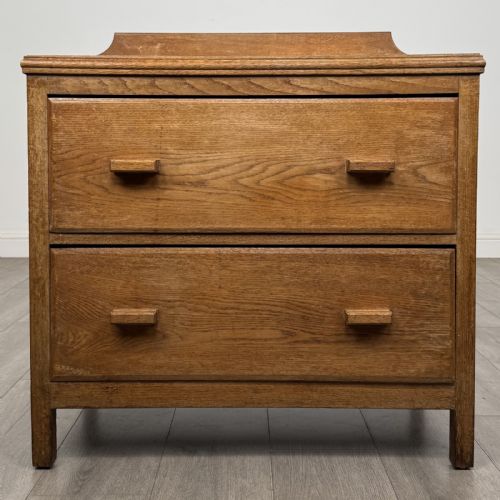
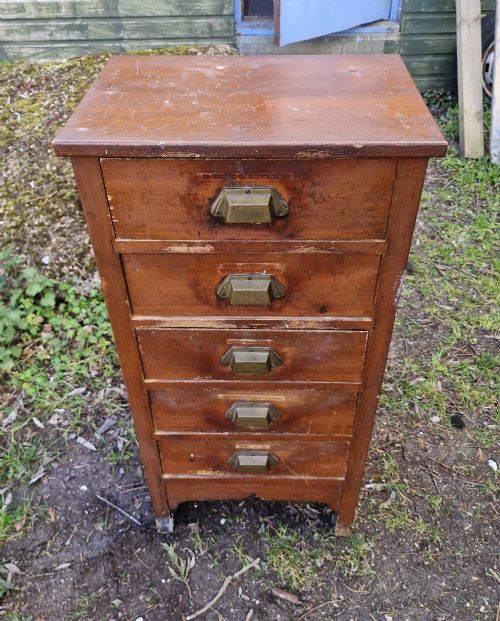


Small Oak Drawer Units
Small oak drawer units are compact desktop and floor-standing pieces built for storage, combining sturdy native timber with functional compartments.
Small Oak Drawer Units
Small oak drawer units encompass a diverse group of compact storage furniture found across multiple periods, including the eighteenth, nineteenth, and twentieth centuries. When searching for small oak drawer units, buyers typically encounter practical forms such as filing cabinets, desktop drawers, collectors cabinets, and haberdashery shop displays.
Construction styles stretch from plain Victorian utility to Jacobean Revival, Art Deco, and Georgian Style interpretations. Each piece utilises solid wood timber frames matched to specific period requirements, whether for home studies, retail displays, or specialist collecting.
How these pieces were made
Makers constructed these cabinets primarily using solid oak timbers, often paired with secondary woods like pine for internal carcases and drawer linings. The exterior surfaces display the natural grain of the timber, sometimes finished to a light tone or left in a dark, period-appropriate polish.
Hardware played an essential structural and decorative role, with manufacturers fitting brass handles and steel mechanisms to drawers and doors. Glass panels appeared in specific formats such as bookcases and display units, while metal components reinforced heavy-use office and medical storage boxes.
Small Oak Drawer Units Retail Price Guide 2026
Typical asking prices for small oak drawer units among the pieces listed under this phrase on Sellingantiques today, from the lower quarter to the upper quarter. They describe what is for sale here now, not the wider market.
Medical professionals once relied on small carrying chests to transport essentials across districts.
What varies in quality
Quality differences lie in the selection of timber and the precision of the joinery used to assemble the carcase and drawers. Superior examples display carefully matched grain patterns across the front elevation and tight, durable joints that withstand daily use.
Hardware selection marks another distinction between standard utility items and finer workshop output. Original period brass handles, robust locking mechanisms, and clean internal drawer construction elevate a piece above basic commercial production.
The Small Oak Drawer Units Glossary
- Haberdashery cabinet
- A multi-drawer retail display unit originally utilised in shops for storing small items of clothing and sewing accessories. These pieces often feature glazed drawers or fronts for easy stock visibility.
- Filing cabinet
- An office storage unit designed with sliding drawers to hold documents systematically. Period examples often utilise metal hardware and robust oak carcases for heavy commercial use.
- Waterfall bookcase
- A tiered shelving format where each lower shelf projects further forward than the one above, creating a stepped profile. This style gained popularity during the early twentieth century.
- Collectors cabinet
- A specialist storage piece built with multiple shallow drawers intended for organising specimens, coins, or ephemera. These units frequently feature dust-tight drawer construction.
- Jacobean Revival
- A nineteenth and twentieth-century decorative style that borrows heavily from seventeenth-century British woodworking motifs. Pieces in this idiom typically feature dark finishes and geometric panel carvings.
Small Oak Drawer Units: Frequently Asked Questions
What rooms suit small oak drawer units?
These compact pieces fit easily into studies, living rooms, and bedrooms where floor space is limited. Their traditional timber construction complements both historic interiors and modern workspace settings.
Desktop versions sit neatly on top of writing desks or sideboards to organise papers and small accessories. Floor-standing variants provide vertical storage without dominating the room.
How do I identify an Edwardian piece?
Edwardian items, produced between nineteen hundred and nineteen ten, often display lighter timber tones and restrained decorative details compared to heavy Victorian designs. Look for clean lines and simplified period revival motifs.
Construction methods from this era also transitioned towards more mechanised workshop production while retaining solid wood primary surfaces.
Were these units made for offices?
Many examples on this page served commercial functions, such as medical carrying chests, filing cabinets, and shop display drawers. Businesses required durable storage for paperwork and small stock items.
These working pieces were built from robust oak and fitted with strong brass or metal handles to endure frequent daily handling.
How should I care for oak furniture?
Maintain oak surfaces by dusting regularly with a dry cloth and avoiding excessive moisture or direct sunlight. Natural timber responds well to occasional application of appropriate wax polish to nourish the grain.
Keep these units away from direct heat sources to prevent the timber from drying out or splitting over time.