



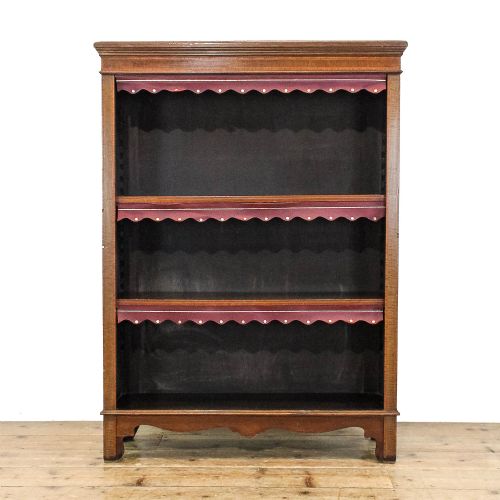
Small Library Unit
A small library unit brings compact shelving and display space into narrow rooms, offering versatile storage for books and ornaments without dominating the floor.
Small Library Unit
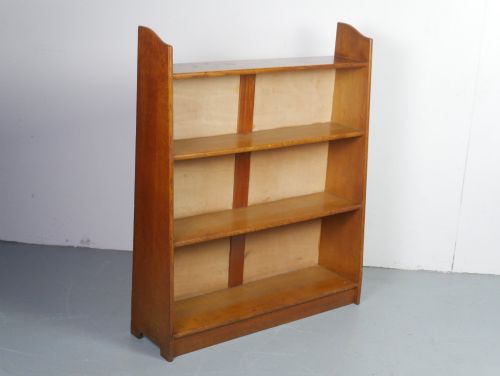
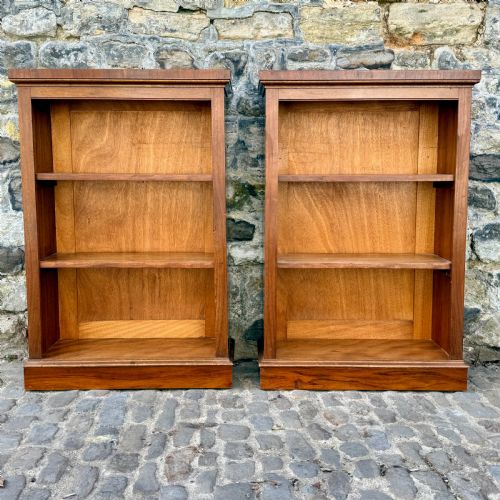
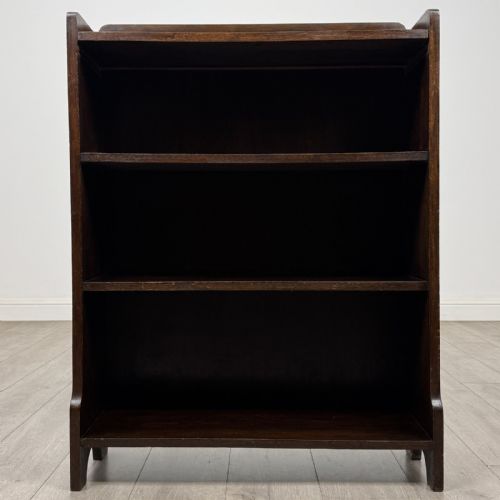
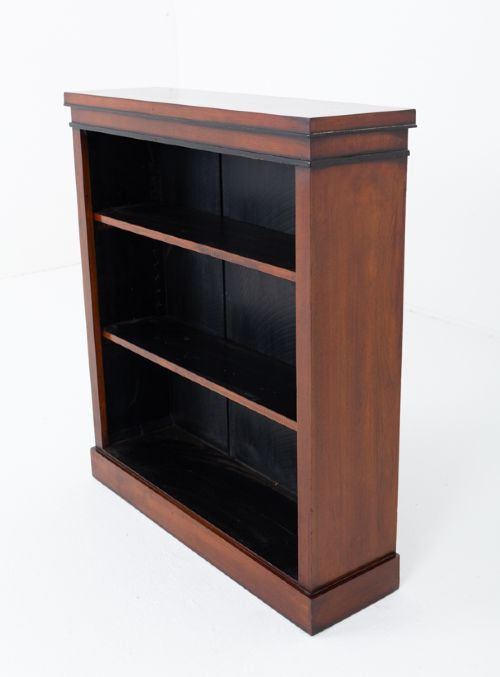
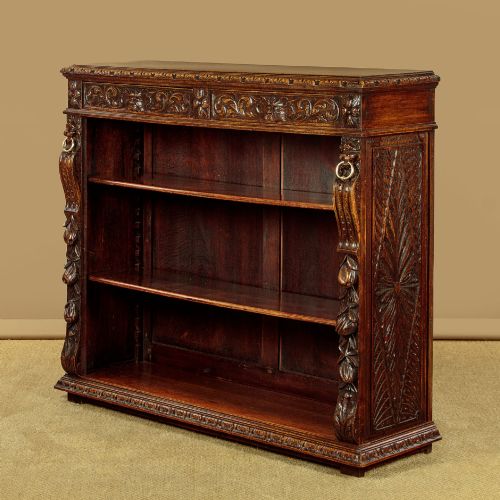
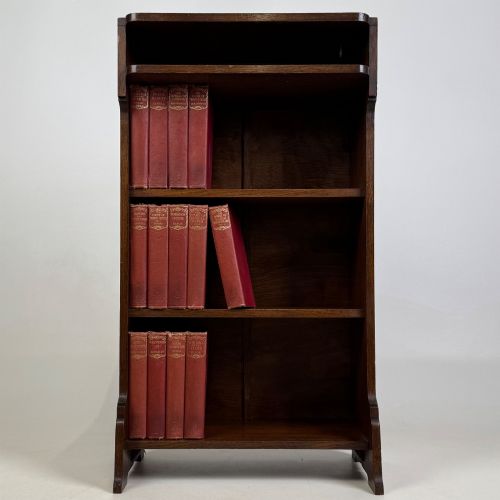
When you search for a small library unit, you are looking at open bookcases, etageres, and tiered whatnots designed to hold books and display objects in domestic spaces. These pieces span the Victorian, Edwardian, and early twentieth-century periods, capturing the functional domestic requirements of those eras. You are most likely to meet open mahogany and oak bookcases equipped with adjustable shelves or raised galleries on this page.
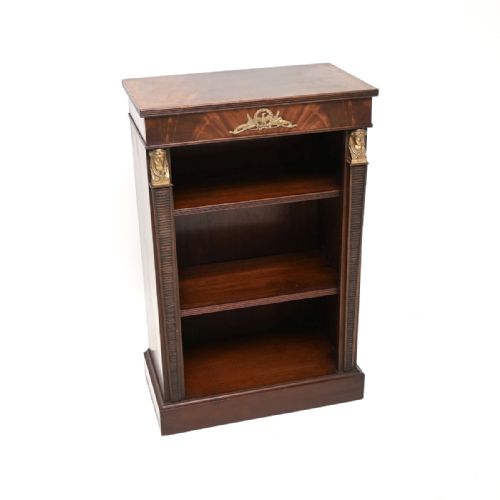
The forms range from diminutive walnut etageres and desktop filing drawers to break-fronted walnut open bookcases with drawers. Pieces often incorporate specific regional styles such as Queen Anne Revival, Neoclassical, and Empire, alongside simpler Edwardian and Victorian office designs. Each object provides an accessible way to organise volumes while fitting neatly into compact interior settings.
The physical presence of these units relies on sturdy timbers like mahogany, oak, and walnut, frequently accented with brass castors or ormolu mounts. Makers of the period engineered these items to serve practical daily utility in libraries, studies, and drawing rooms. The survival of these varied forms demonstrates the lasting appeal of compact, timber-built storage solutions.
How they were made
Construction relies on solid hardwoods such as mahogany, oak, and walnut, often enhanced with flame mahogany veneer or figured walnut surfaces to create distinct grain patterns. These timbers provide the structural integrity required to support heavy rows of books across tiered shelving and open compartments.
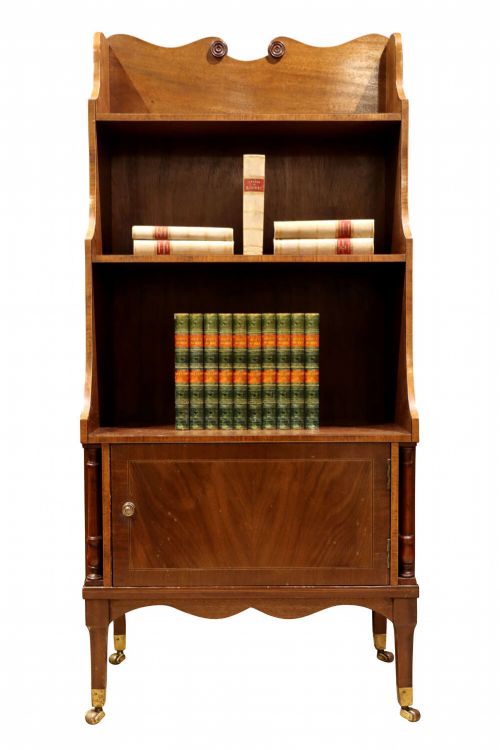
Joinery methods of the nineteenth and early twentieth centuries ensure durability, utilising traditional techniques to frame carcases and secure adjustable shelving tracks. Metal elements such as brass castors and ormolu mounts are integrated into specific pieces like waterfall bookcase cabinets to aid mobility and decorative finish.
Surface finishing involves careful polishing and carving, seen in raised galleries, carved edges, and inlaid details that distinguish particular styles like the Neoclassical Empire or Queen Anne Revival. Beech is also utilised for specialised organisational items such as index filing drawers, matching utility with refined timber work.
Small Library Unit Retail Price Guide 2026
Typical asking prices for small library unit among the pieces listed under this phrase on Sellingantiques today, from the lower quarter to the upper quarter. They describe what is for sale here now, not the wider market.
Listings include pieces spanning the Victorian, Edwardian, and 1930s periods, constructed from mahogany, oak, walnut, and beech.
What varies in quality
The grade of timber and veneer selection separates standard utility pieces from finer examples, with figured walnut and flame mahogany offering superior visual depth compared to plain hardwoods. Timber choice dictates the initial expense and aesthetic impact of the bookcase or etagere within a room.
Refinement in decorative elements such as carved edges, raised galleries, inlaid patterns, and ormolu mounts indicates the level of craftsmanship invested in the construction. Simpler office or index drawers prioritise utilitarian function, whereas late Victorian and Edwardian display pieces focus on ornamental detail.
Proportion and scale define the architectural success of a small library unit, where diminutive or break-fronted forms demonstrate balanced design. Integrated hardware like original brass castors adds to the authenticity and overall cohesion of the piece.
The Small Library Unit Glossary
- Open bookcase
- A piece of furniture designed for book storage featuring unobstructed front access rather than glazed or solid doors. This format allows immediate retrieval and display of volumes.
- Etagere
- A set of open shelves for small ornaments and books, typically freestanding with multiple tiers. These decorative stands date across the nineteenth and early twentieth centuries.
- Raised gallery
- A low decorative railing or border fitted along the top edge of a cabinet or bookcase. It prevents items placed on the upper surface from sliding off.
- Figured walnut
- Timber cut from walnut trees exhibiting attractive, swirling grain patterns. It is frequently employed on prominent surfaces to enhance visual appeal.
- Ormolu
- Gilt bronze ornamentation applied to furniture for decorative effect. This technique was favoured in Neoclassical and Empire designs.
- Waterfall bookcase
- A tiered shelving unit where each successive shelf is set back from the one below, creating a stepped profile resembling cascading water.
Small Library Unit: Frequently Asked Questions
What is a small library unit?
A small library unit encompasses open bookcases, etageres, and tiered shelving designed to hold books and display objects in compact spaces. These pieces provide accessible storage while maintaining a manageable footprint in domestic rooms.
Items range from Victorian mahogany open bookcases to Edwardian oak pieces with raised galleries and diminutive walnut etageres. They reflect the domestic storage needs of the nineteenth and early twentieth centuries.
How were these bookcases used?
These pieces served primarily to store working libraries and display decorative objects in studies, drawing rooms, and home offices. Adjustable shelves allowed owners to accommodate books of varying heights.
Specialised forms like index filing drawers catered to office administration, while etageres and waterfall bookcases focused on ornamental display in reception rooms.
How do I live with a small library unit?
Integrating one of these units into a room requires considering the timber tone, such as mahogany, oak, or walnut, alongside your existing interior palette. Their compact dimensions make them suitable for narrow hallways, alcoves, or beside seating areas.
Ensure the unit is positioned away from direct heat sources to protect the timber and veneer surfaces. Regular dusting and occasional wax polishing will maintain the finish of the wood.
How do I tell periods apart?
Victorian and Edwardian pieces often display distinct characteristics through their timber selection, carving styles, and hardware. Victorian examples frequently utilise solid mahogany with heavier proportions, while Edwardian items may feature lighter oak constructions and raised galleries.
Early twentieth-century pieces can incorporate walnut veneers and stylistic revivals such as Queen Anne or Neoclassical Empire influences. Examining the joinery and castors provides further clues to the date of manufacture.