




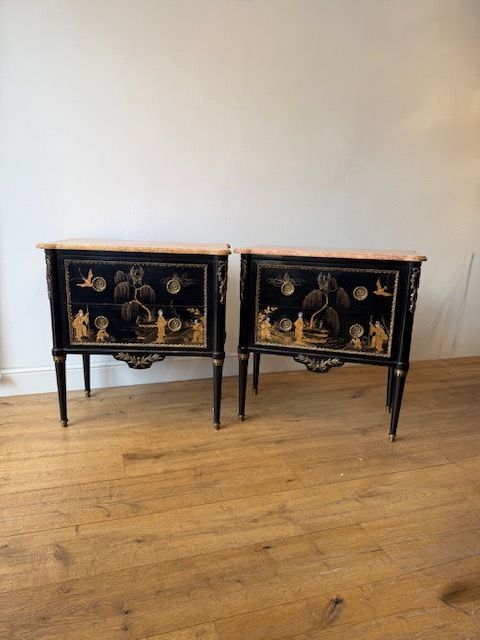


Small Lacquer Table
These small lacquer table pieces are compact furnishings finished in distinctive glossy coatings, sought after for bringing bold oriental or classical character into intimate spaces.
Small Lacquer Table
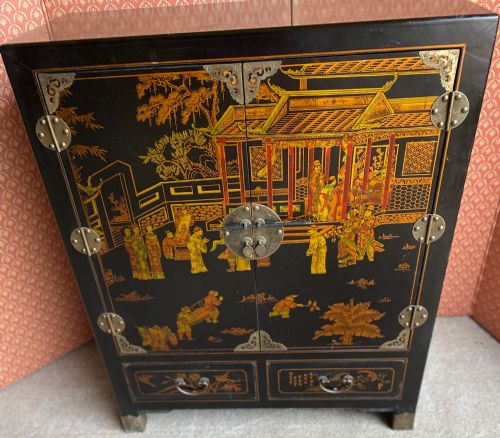
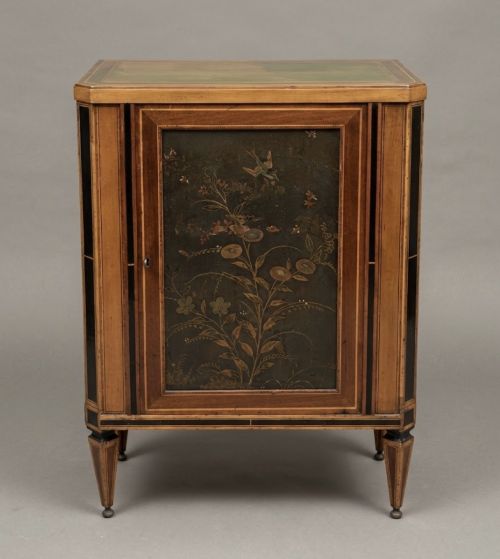
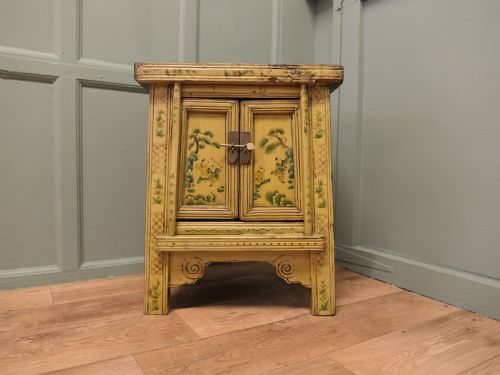
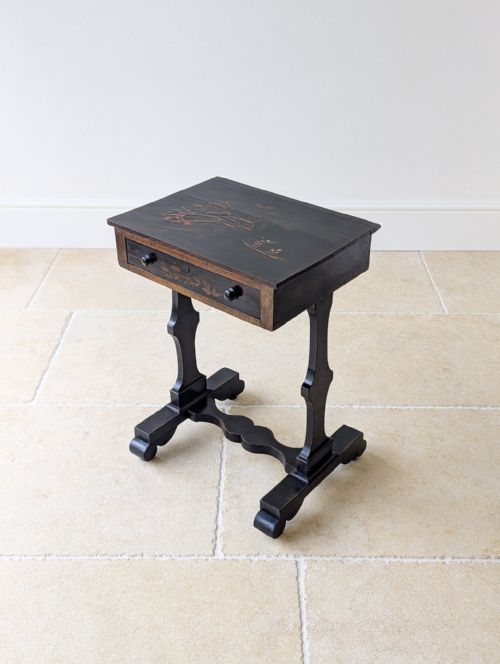
A small lacquer table brings together diverse forms ranging from occasional lamp tables and wine tables to dropleaf designs and table cabinets. These pieces emerge from periods spanning the nineteenth century, the Regency era, and the nineteen-twenties and nineteen-thirties.
Buyers will encounter variations created in distinct regional traditions, notably English interpretations of chinoiserie alongside Japanese Meiji and Taisho period pieces. The forms serve practical functions as side supports while displaying rich surface decoration.
The selection includes ebonised wood and papier-mâché structures alongside traditional lacquered wood foundations. Each object demonstrates how makers applied glossy finishes to compact domestic furniture.
Materials and Construction
Construction relies upon woods such as bamboo and ebonised timber, alongside papier-mâché for specific occasional tables. Artisans built sturdy frames before applying multiple layers of lacquer to seal and protect the substrate.
Surface ornamentation incorporates gold leaf and hand-painted motifs executed in cream, red, and mandarin orange colourways. Cabinet makers and lacquer workers combined structural joinery with meticulous surface finishing to achieve durable decorative results.
Small Lacquer Table Retail Price Guide 2026
Typical asking prices for small lacquer table among the pieces listed under this phrase on Sellingantiques today, from the lower quarter to the upper quarter. They describe what is for sale here now, not the wider market.
Listings feature items from the nineteenth century, the Regency era, and the nineteen-twenties and nineteen-thirties.
Distinctions in Quality
Quality rests upon the depth of the lacquer finish and the precision of the hand-painted decoration. Finer examples display crisp detail in gold leaf and sustained adhesion across curved surfaces and edges.
The integrity of the underlying timber or papier-mâché foundation dictates structural longevity. Pieces that retain their original pigments and structural stability without modern repainting represent superior execution.
The Small Lacquer Table Glossary
- Chinoiserie
- European decorative style imitating Chinese artistic traditions. It appears frequently on eighteenth and nineteenth century furniture.
- Ebonised
- Wood stained or painted black to resemble ebony. This treatment provides a dark ground for gilt and painted decoration.
- Papier-mâché
- A composite material made from paper pulp reinforced with glue or resin. Moulded forms served as lightweight bases for lacquer work.
Small Lacquer Table: Frequently Asked Questions
What is a small lacquer table used for?
These compact items function as side tables, lamp stands, or coffee surfaces in domestic rooms. Their small scale allows them to fit easily beside seating.
They also provide display space for decorative objects or serve as functional writing and work surfaces.
How do I date a lacquer table?
Dating relies on examining the underlying construction materials, such as bamboo, ebonised wood, or papier-mâché. Stylistic clues like Regency proportions or twentieth-century Chinoiserie palettes help narrow the period.
Wear patterns and the composition of the lacquer layers further indicate the manufacturing era.
Are these tables purely decorative?
While highly ornamental, most pieces were built for practical daily use. Dropleaf designs and wine tables offer adaptable surfaces for drinks and small items.
Cabinets and table forms incorporate drawers or cupboards for discreet storage.
How should I care for lacquer furniture?
Keep finished surfaces away from direct sunlight and excessive heat sources to prevent cracking. Dust gently with a soft, dry cloth without harsh chemical polishes.
Maintaining stable room humidity protects both the wooden core and the delicate surface coatings.