
Small Georgian Table
A small georgian table brings refined proportion and functional elegance to compact spaces through timeless design.
Small Georgian Table
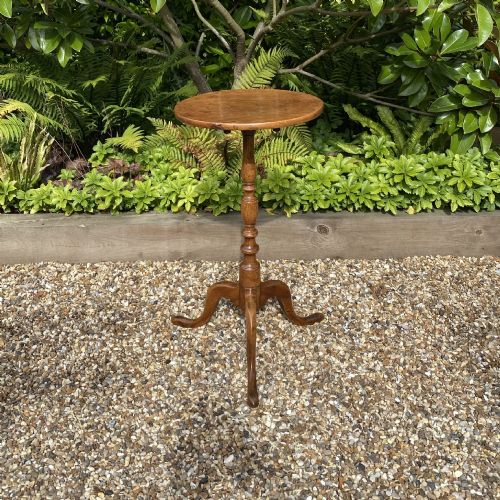
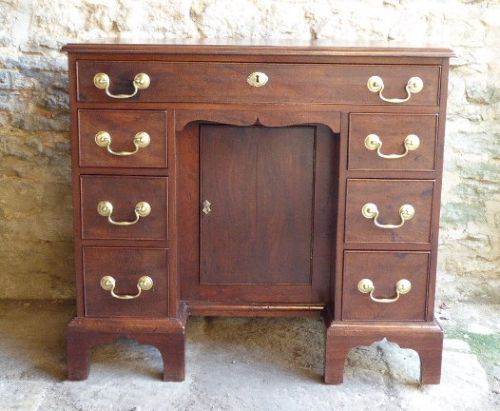
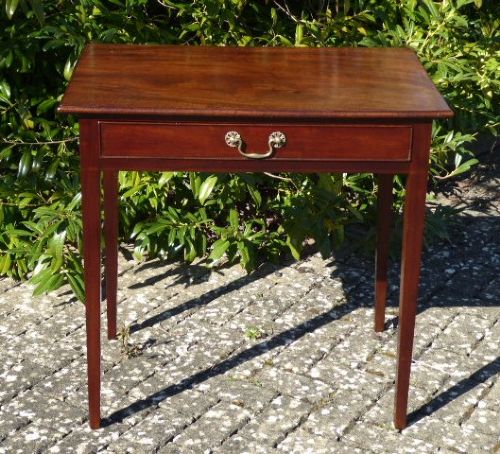
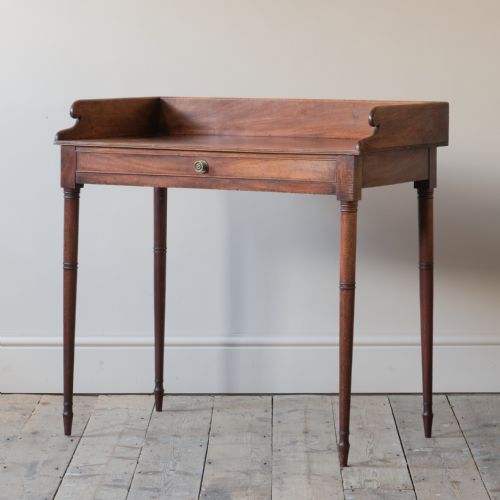
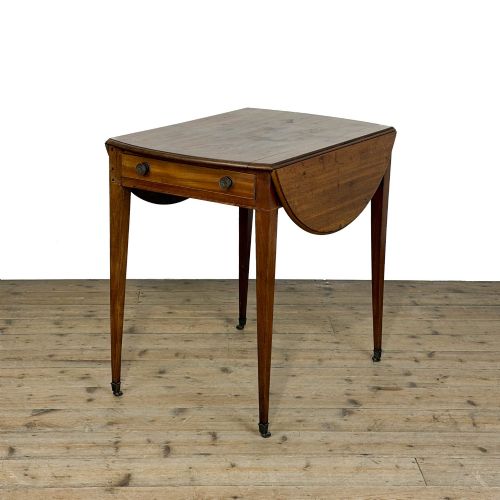
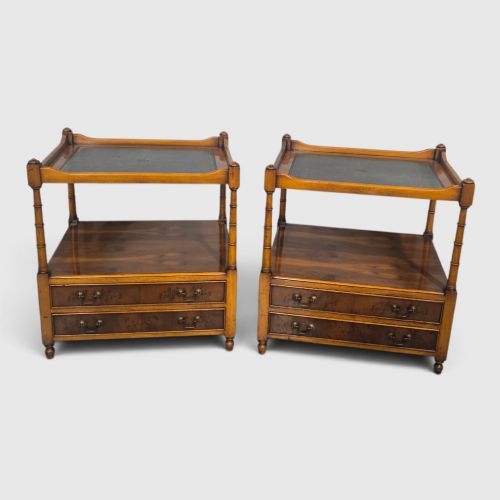
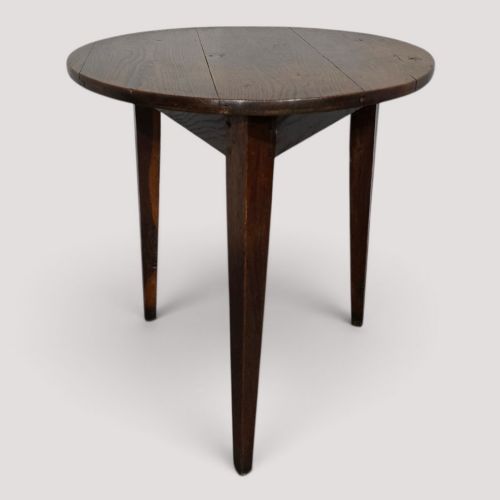
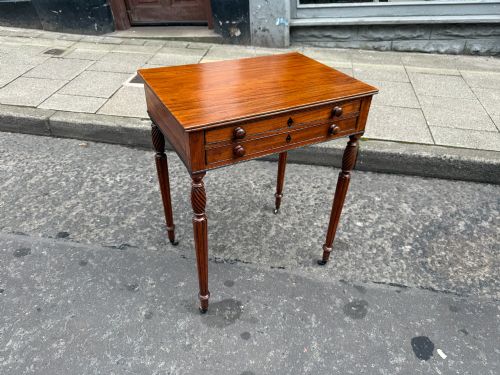
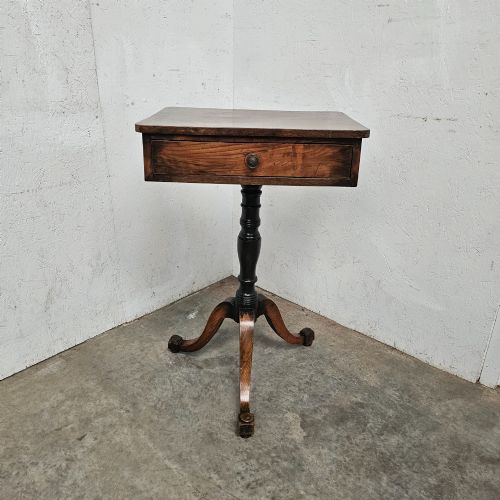
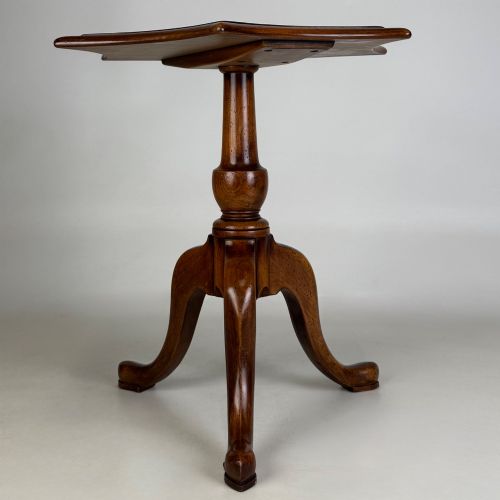
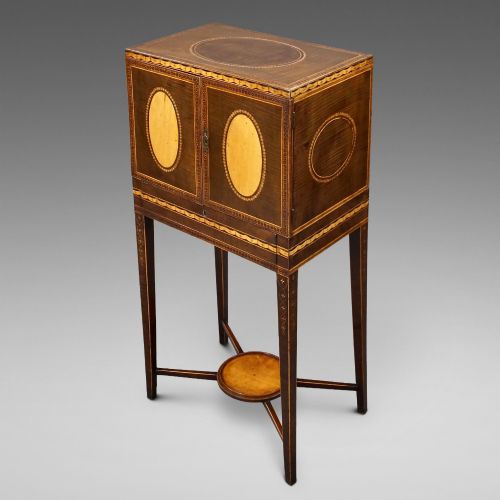
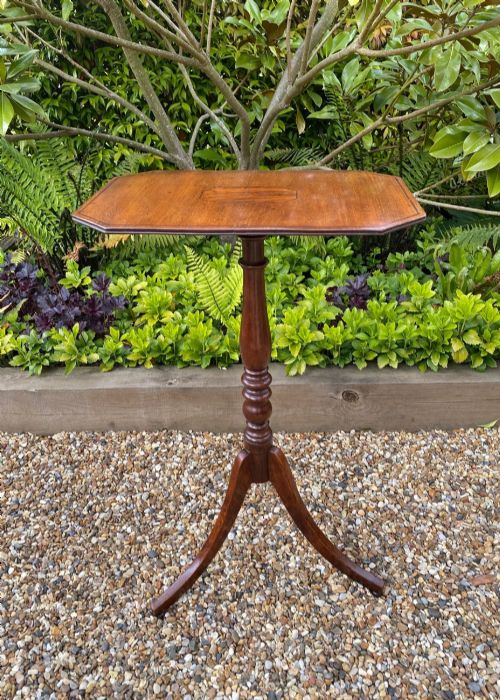
A small georgian table encompasses versatile domestic forms designed for everyday utility, ranging from bedside surfaces and side tables to compact wine stands and pembroke tables. These pieces serve intimate domestic roles within domestic interiors, offering practical surface area without dominating a room.
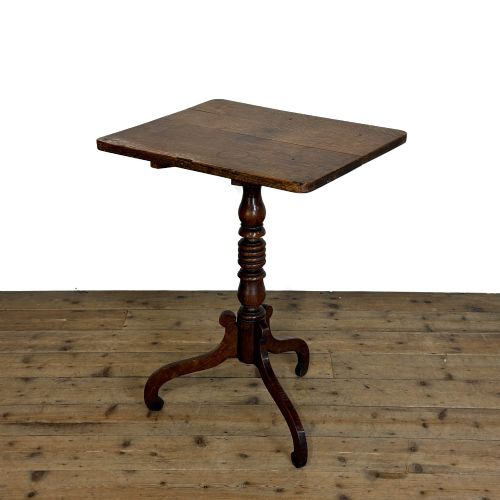
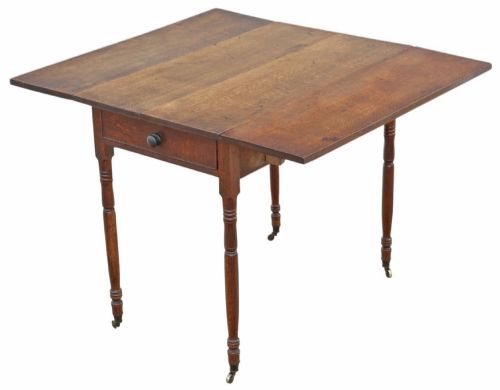
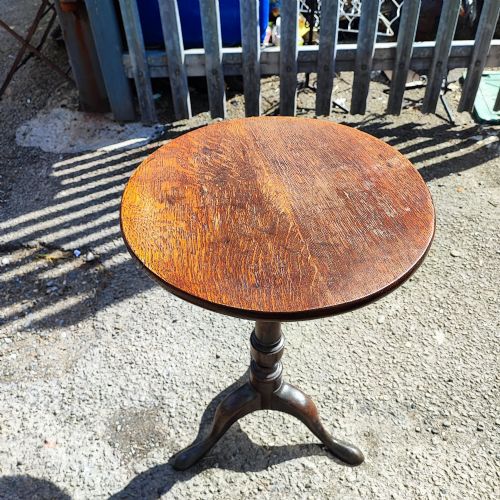
Buyers exploring this category frequently encounter tripod wine tables, drop-leaf pembroke tables, and low side tables originating from the eighteenth and early nineteenth centuries. Vernacular country examples in oak sit alongside formal mahogany and satinwood pieces reflecting major stylistic periods.
The selection reflects both authentic period examples from the georgian and regency eras alongside later revivals from the edwardian period and the early twentieth century. Common formats include tilt-top mechanisms, small drawer fitted side tables, and slender pillar supports suited for lamp or display use.
Construction and Materials
Cabinetmakers predominantly utilised native and imported hardwoods including mahogany, oak, walnut, and yew, often accentuating drawer fronts and tops with satinwood, boxwood, or harewood stringing and inlay. Secondary structural framing frequently incorporated pine or fruitwood beneath polished show surfaces.
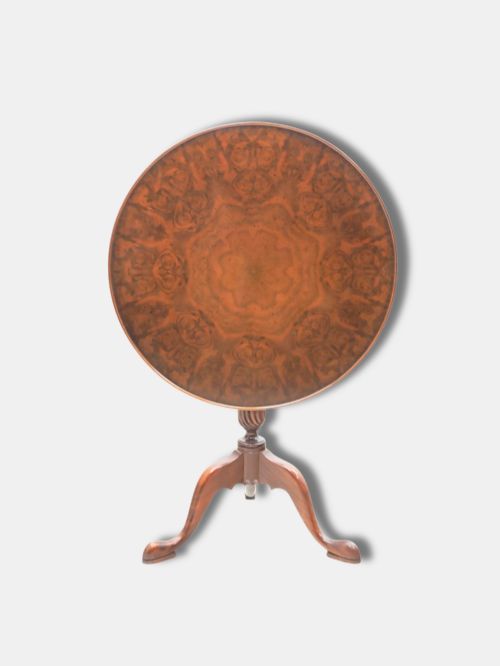
Joinery relied upon traditional pegged mortise and tenon joints, dovetail drawer construction, and responsive turning techniques for pedestal shafts and legs. Tilt-top tables employed sophisticated brass or wooden catch mechanisms to pivot circular or shaped tops when not in active use.
Many a midnight candle was steadied on these small surfaces before modern illumination changed the domestic routine forever.
Evaluating Quality
The distinction between ordinary utility items and exceptional pieces rests upon timber selection, figure consistency, and the crispness of carved details such as pie crust rims or pad feet. Fine examples display well-matched grain patterns across drop leaves and table tops, maintaining structural integrity without excessive timber shrinkage.
Proportional harmony and original surface patination significantly influence the standing of any piece. Retaining period brass hardware, untouched timber colour, and smooth operating drawer actions elevates a table above heavily restored or later altered examples.
The Small Georgian Table Glossary
- Pembroke table
- A small rectangular drop-leaf table featuring hinged flaps on two opposing sides and frequently containing one or more small drawers.
- Tilt-top table
- A table constructed with a mechanism allowing the surface to hinge vertically for compact storage against a wall when not in use.
- Tripod table
- A piece supported by a central pillar resting on three spreading feet, common among eighteenth-century wine and candle stands.
- Gateleg table
- A drop-leaf table where folding legs swing outward from a central frame to support the extended leaves.
- Cricket table
- A low, three-legged occasional table typically constructed in country oak or pine with a sturdy triangular underframe.
Small Georgian Table: Frequently Asked Questions
Where were these tables used?
These compact pieces served versatile functions across the home, acting as bedside surfaces, tea tables, or mobile stands for lamps and wine.
Their modest footprint allowed servants and residents to move them easily between chambers according to daily domestic needs.
How do I spot a reproduction?
Examination of internal drawer linings, timber shrinkage patterns, and tool marks reveals the age and authenticity of the construction.
Period pieces display hand-cut dovetails and natural oxidation on secondary woods that modern reproductions cannot replicate accurately.
What is a tilt top?
A tilt top incorporates a wooden or brass catch beneath the surface allowing the tabletop to pivot flat against the central pillar.
This clever space-saving mechanism enabled tables to stand out of the way against perimeter walls when rooms needed to be cleared.
Can I use one daily?
Solid hardwood construction and robust joinery make these surviving tables remarkably resilient for contemporary living spaces.
Routine care and protection from excessive heat or moisture preserve the polished timber surfaces during everyday use.