
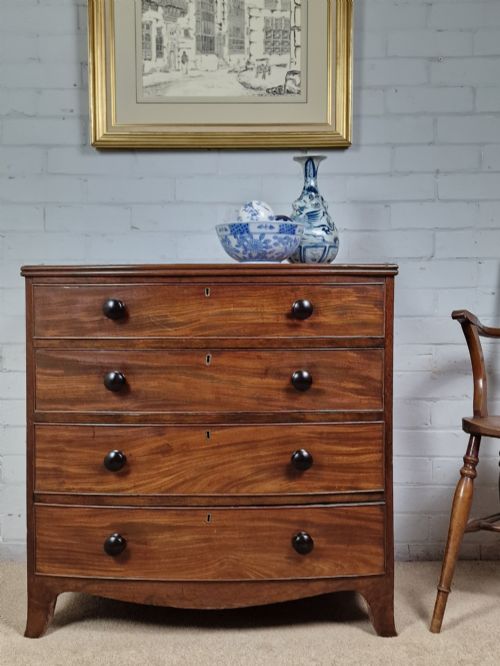
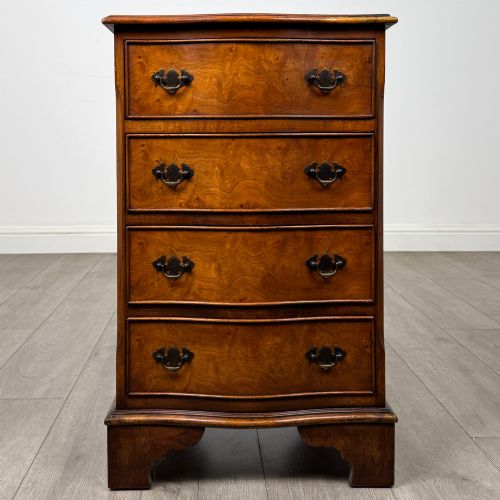
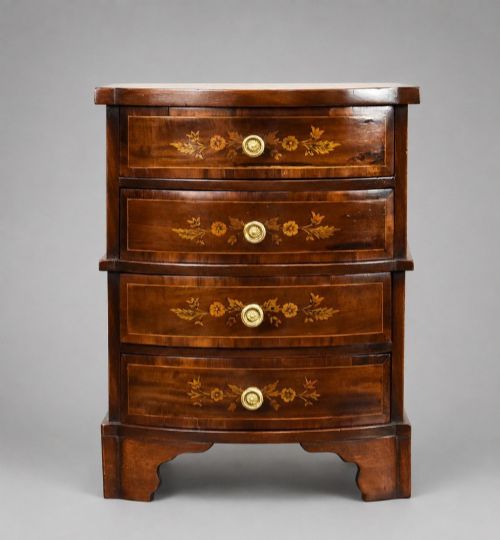
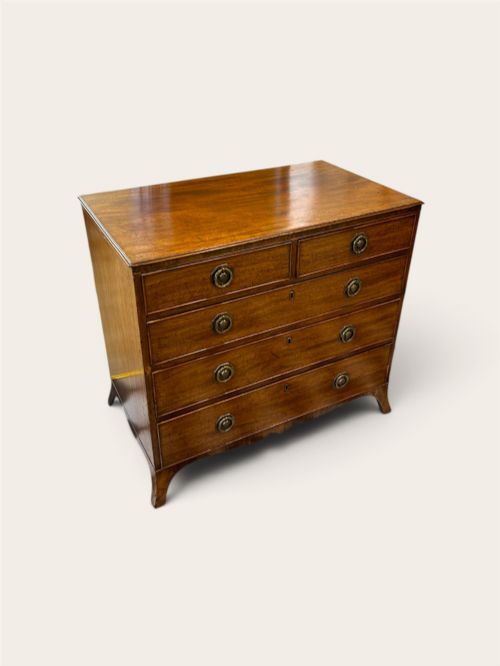
Small Georgian Mahogany Commode
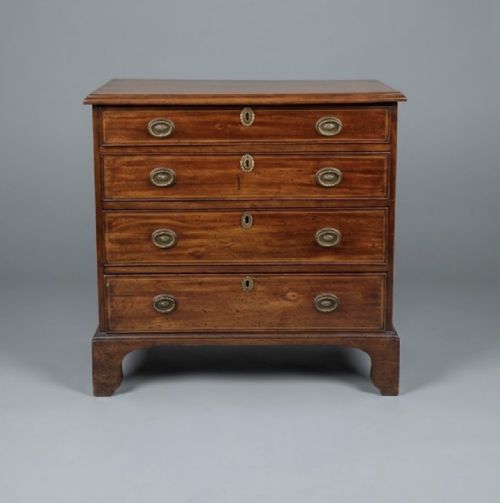
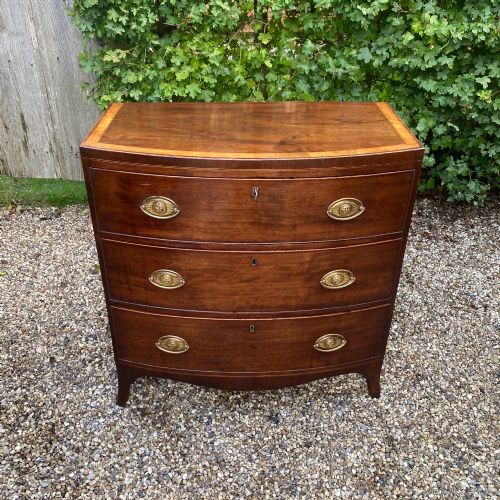
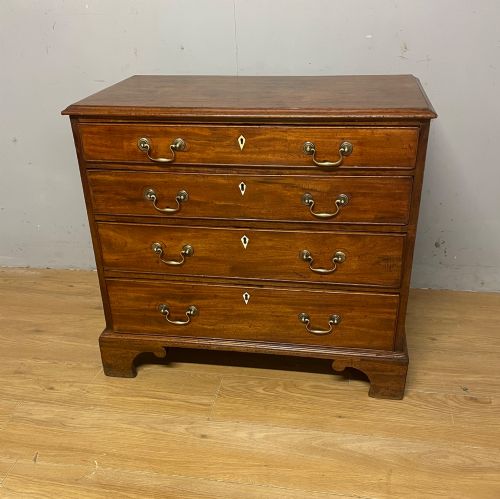
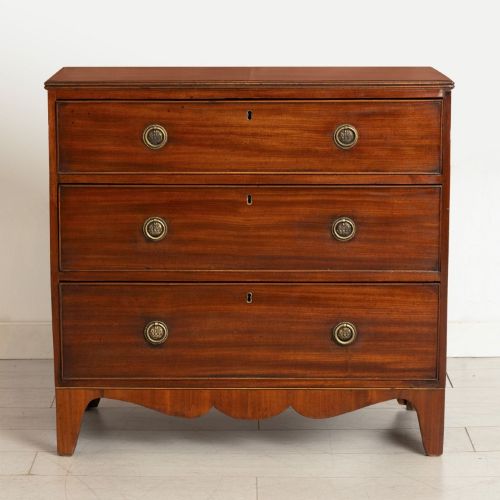
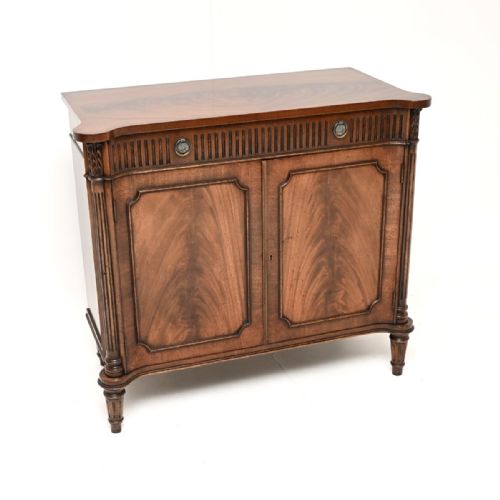
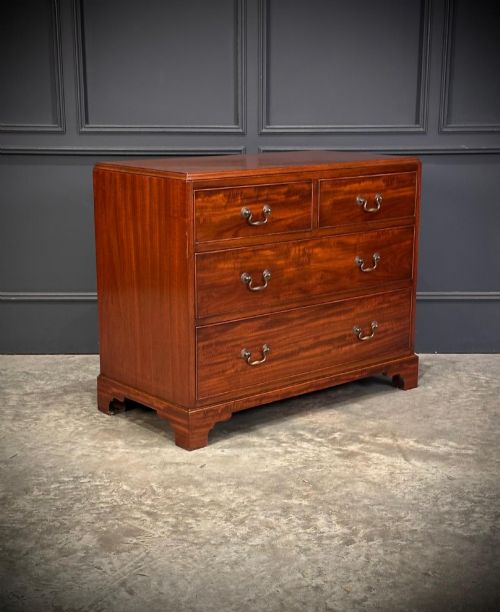
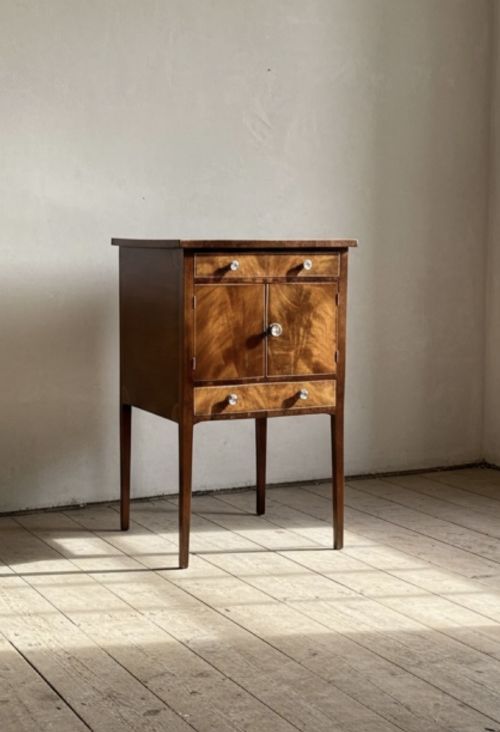
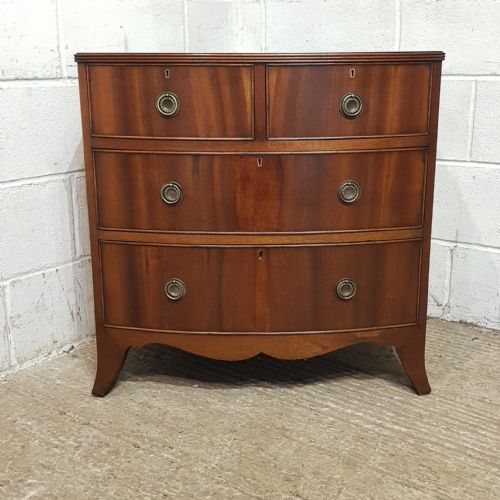
A small georgian mahogany commode brings compact storage and rich timber grain to a room, offering practical elegance through fitted drawers and brass handles.
Small Georgian Mahogany Commode
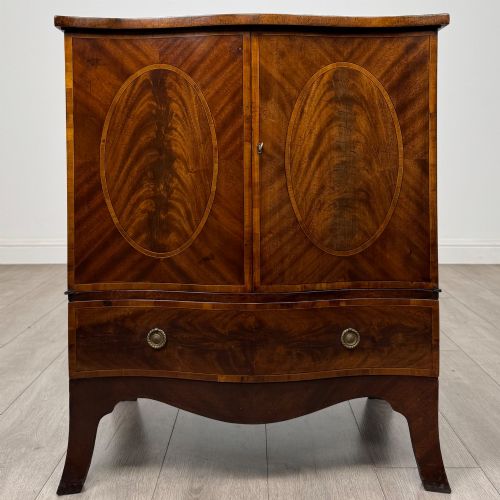
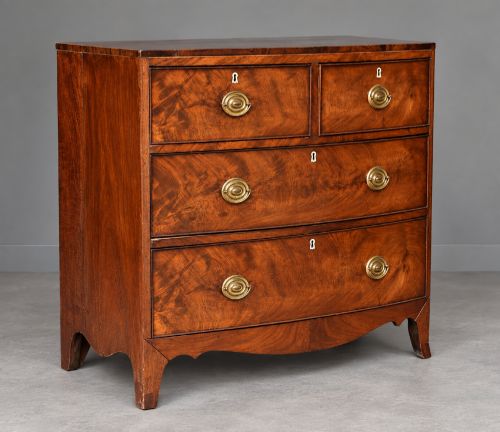
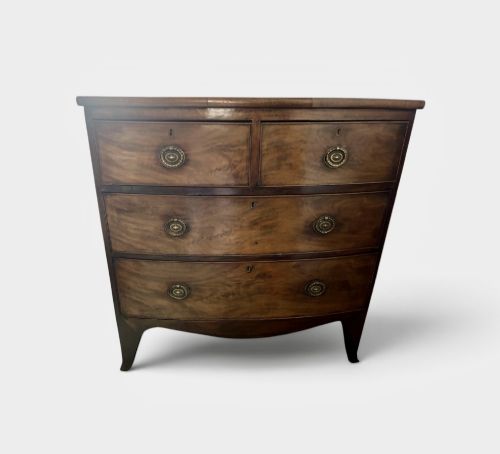
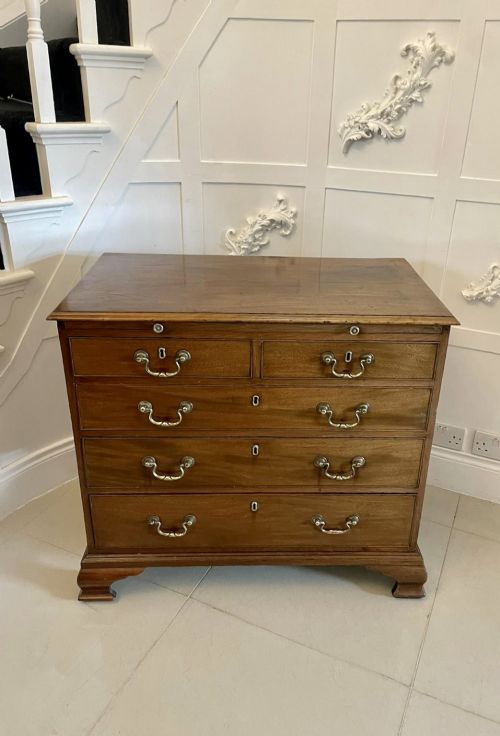
A small georgian mahogany commode is a compact chest of drawers or bedside cabinet designed for domestic use during the eighteenth and early nineteenth centuries. These pieces typically present straight, bow front or serpentine forms fitted with multiple drawers, and occasionally incorporate a brushing slide or bracket feet.
The pieces on this page span the Georgian, Regency, and William IV periods, alongside later Edwardian revivals and twentieth-century interpretations. Buyers frequently encounter bow front chests and four-drawer configurations originating from the late eighteenth century.
Beyond standard chests, the selection includes miniature furniture, bedside cabinets, and bachelor chests of modest proportions. Each item serves as a functional storage unit defined by timber construction and compact scaling.
Distinctions in Quality
The refinement of a piece often rests on the choice of timber figure, such as figured mahogany or burr walnut, paired with precise crossbanding and inlay. The integration of original brass handles and retaining original bracket feet contributes significantly to the integrity of an item.
Proportion and cabinet-making skill define the upper tier of pieces. Clean lines on serpentine or bow front chests demonstrate superior workmanship compared to later revival pieces.
A tiny bone escutcheon on a miniature chest proves that tiny drawers still need to keep secrets.
The Small Georgian Mahogany Commode Glossary
- Commode
- A low cabinet or chest of drawers designed for domestic storage. In eighteenth-century usage, the term often referred to decorative chests of drawers.
- Brushing slide
- A pull-out shelf positioned above the top drawer used for writing or brushing clothes. It slides flush into the frame when not in use.
- Bow front
- A convex curved front facade popular on chests of drawers and cabinets from the Georgian and Regency periods. This shape softens the corners of the furniture.
- Serpentine
- A horizontally undulating front shape featuring a convex centre flanked by concave curves. It requires advanced cabinet-making skill to execute.
- Crossbanding
- A decorative border of veneer laid around the perimeter of a drawer front or top with the grain running perpendicular to the central panel.
Small Georgian Mahogany Commode: Frequently Asked Questions
What is a small georgian mahogany commode used for?
These pieces serve as compact storage units for clothing, linens, or bedside items.
Their modest proportions allow them to fit into smaller bedrooms or hallways while providing surface space for lamps or decorative objects.
How do I identify a Georgian piece?
Look for construction markers such as hand-cut dovetails on the drawer sides and secondary woods like oak inside the carcase.
Proportions, timber ageing, and traditional brass hardware also point toward eighteenth-century origins rather than later revivals.
What is a bachelor's chest?
A bachelor's chest is a small drawer unit traditionally equipped with a fold-over top or a pull-out brushing slide.
These versatile items functioned as compact writing desks and personal storage chests for gentlemen.
How do I care for mahogany furniture?
Keep mahogany pieces away from direct sunlight and radiators to prevent the timber and veneer from drying out.
Regular dusting with a soft, dry cloth maintains the polish without building up excess wax.