

Small Flap Table
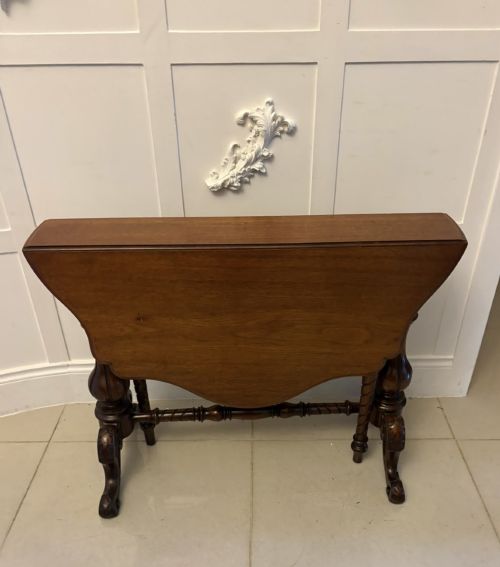
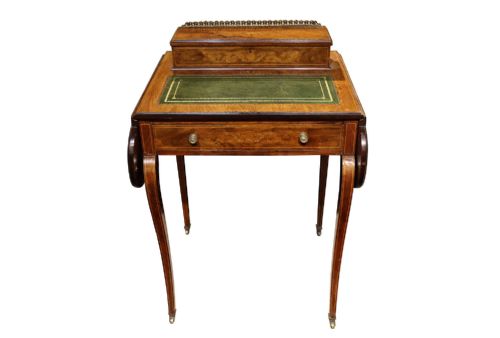
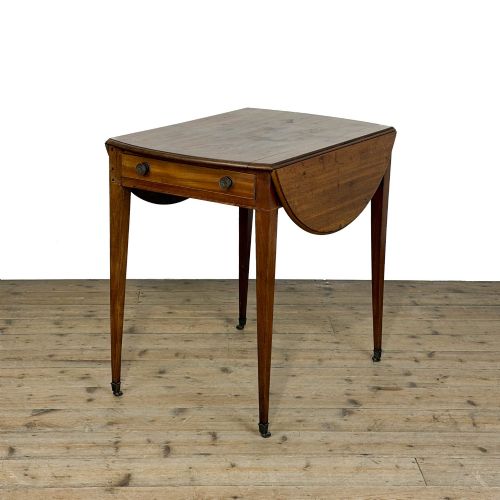
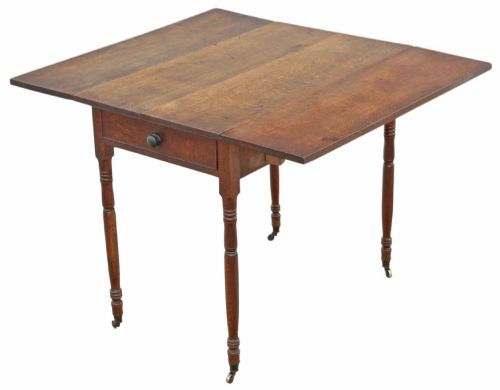
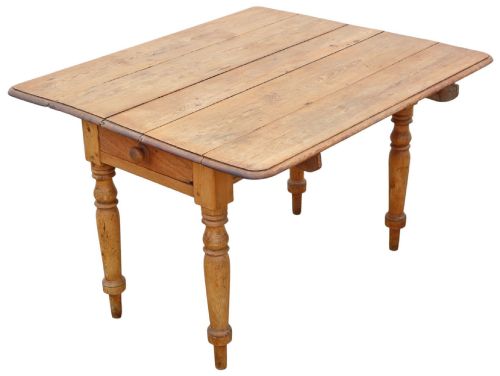
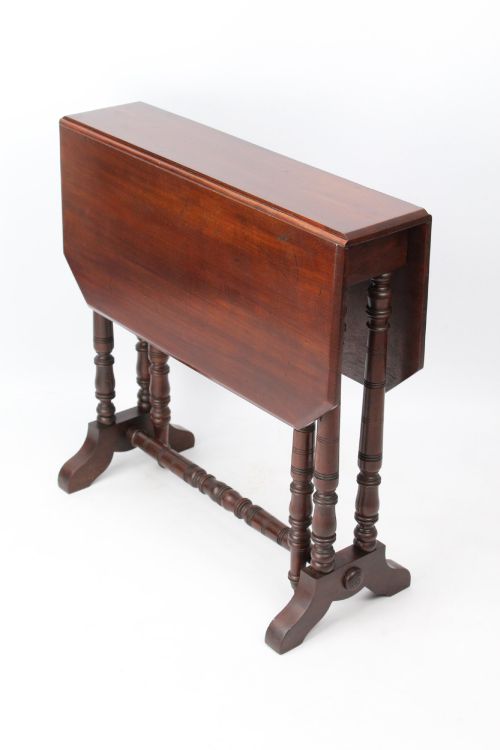
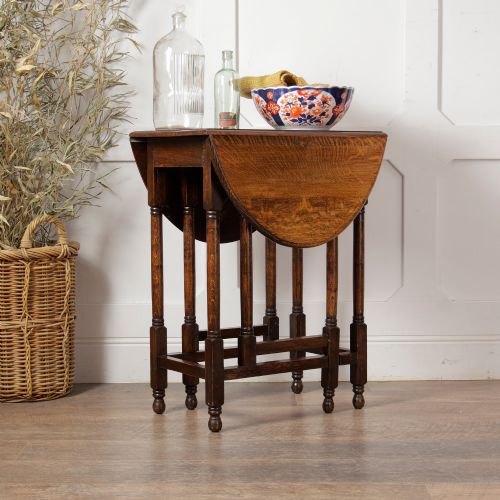
A small flap table brings compact versatility to a room, offering expandable surfaces crafted in mahogany, oak, and walnut across centuries of British design.
Small Flap Table
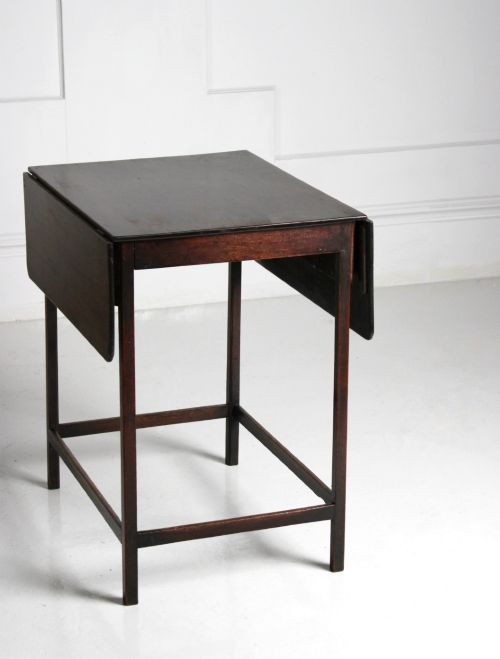
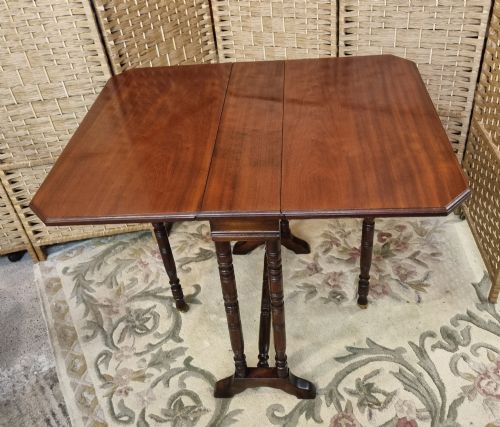
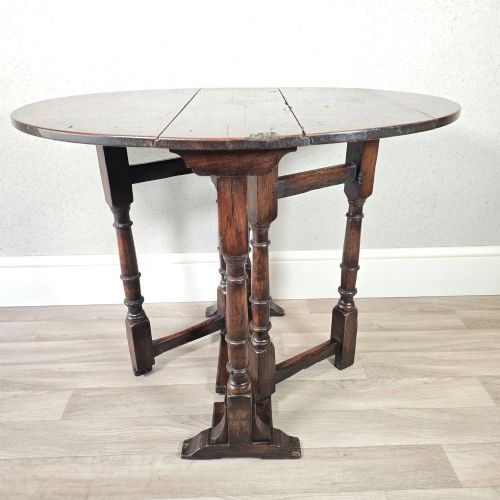
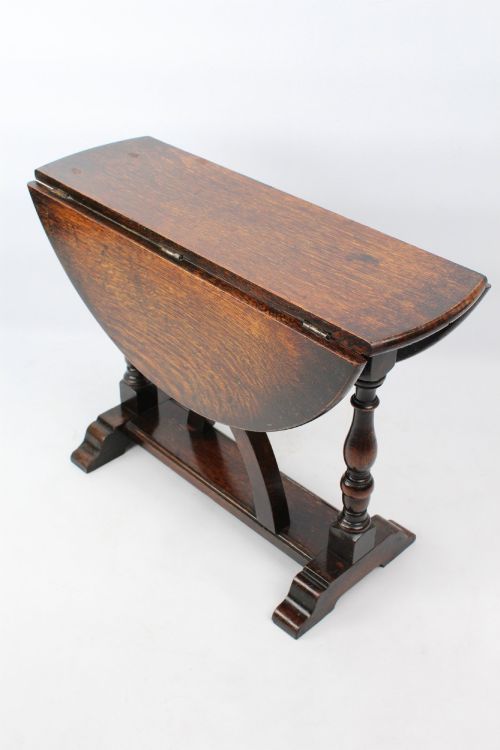
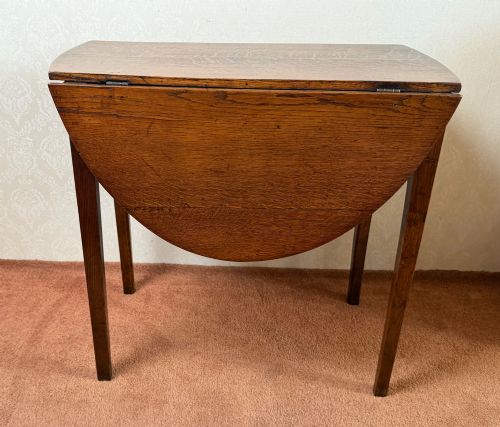
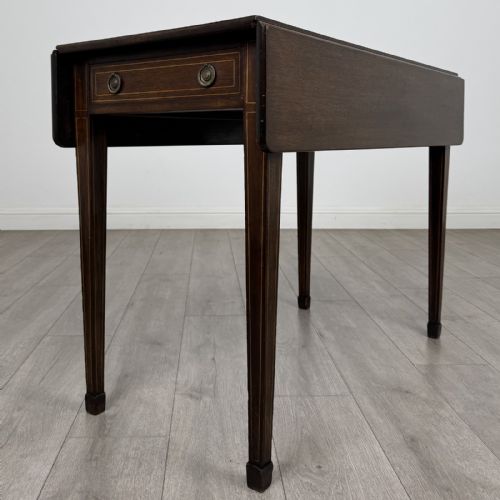
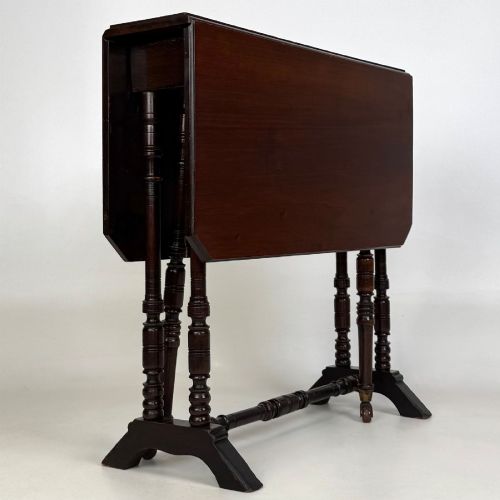
When you search for a small flap table, you encounter diverse utilitarian forms designed to maximise space in historic interiors. Side tables, occasional tables, and Pembroke tables dominate the selection, alongside gateleg and Sutherland variants.
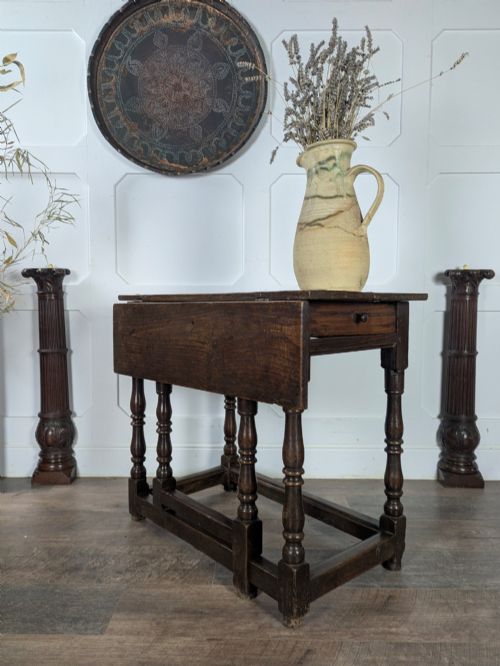
The versions most frequently met on this page span the 17th century through to the Edwardian period, executed in regional oak or formal mahogany. These pieces served dining, writing, and lamp table duties in compact domestic spaces.
Makers adapted the drop leaf mechanism across multiple stylistic movements, including Georgian, Regency, and Arts and Crafts. A buyer navigates compact dining pieces, narrow side tables, and occasional furniture adapted with hinged flaps.
Construction and materials
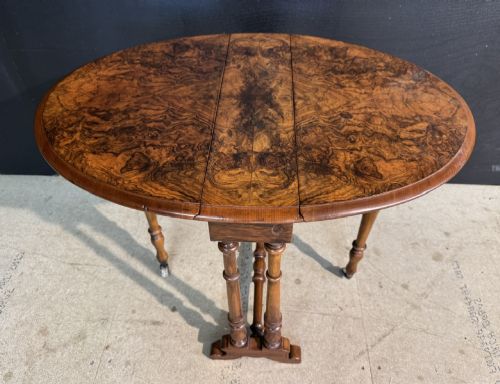
Cabinet makers utilised dense hardwoods like mahogany, oak, and walnut, frequently selecting timbers with figured grain or burr patterns for visible surfaces. Pine and fruitwood served secondary structural roles or regional vernacular builds.
Hinged flaps relied on stable pivot joints, drop-leaf brackets, or swing legs such as gatelegs to support cantilevered leaves. Brass hardware, boxwood stringing, and turned baluster posts added functional reinforcement and decorative contrast.
Small Flap Table Retail Price Guide 2026
Typical asking prices for small flap table among the pieces listed under this phrase on Sellingantiques today, from the lower quarter to the upper quarter. They describe what is for sale here now, not the wider market.
Materials recorded across current inventory include brass fittings, boxwood inlay, pine, and fruitwood alongside primary hardwoods.
Standards of execution
The distinction between ordinary and superior pieces rests on the choice of timber and the precision of the joinery around folding mechanisms. Finely figured mahogany or burr walnut paired with tight hinge fittings represent higher workshops.
Proportion and structural integrity dictate the standing of a drop-leaf table. Slender supports like spider legs or balanced gateleg frames that sustain daily folding without wobble mark superior historical carpentry.
Gillow
The Small Flap Table Glossary
- Pembroke table
- A small rectangular table with two hinged drop leaves on opposing sides, frequently fitted with a drawer. This form originated in the 18th century for breakfast or light writing use.
- Gateleg table
- A table featuring hinged leaves supported by swing-out legs that pivot from the frame like a gate. This design provides sturdy support for large extended surfaces.
- Sutherland table
- A narrow drop-leaf table with exceptionally slim flaps and slender legs, designed to fold into a remarkably compact footprint when not in use.
- Satinwood
- A yellowish exotic timber with a lustrous grain utilised for fine Regency and Edwardian veneers and inlay work.
- Patina
- The surface sheen and mellowing developed by wood over centuries through age, handling, and wax polishing.
Small Flap Table: Frequently Asked Questions
Where were small flap tables used?
These tables functioned primarily as versatile furniture for parlours, bedrooms, and dining spaces where floor space was at a premium. Owners raised the flaps for dining or writing, then dropped them down against walls.
Their adaptable footprint made them suitable for impromptu tea service or as lamp tables in tighter residential layouts.
How do I identify a 17th-century gateleg table?
Seventeenth-century examples display heavy turned baluster posts, peg joinery, and solid oak construction. The timber exhibits deep patination and hand-worked tool marks characteristic of early vernacular joinery.
Hardware consists of hand-forged iron hinges rather than later brass mechanisms, reflecting the period of manufacture.
How should I care for antique wood flaps?
Maintain the finish by applying natural beeswax sparingly and buffing with a soft cloth to preserve the historic patina. Avoid placing tables near direct heat sources that cause timber to shrink or split.
Operate drop-leaf hinges with care, ensuring support brackets move smoothly without forcing the joints.