



Small Engraved Silver Box
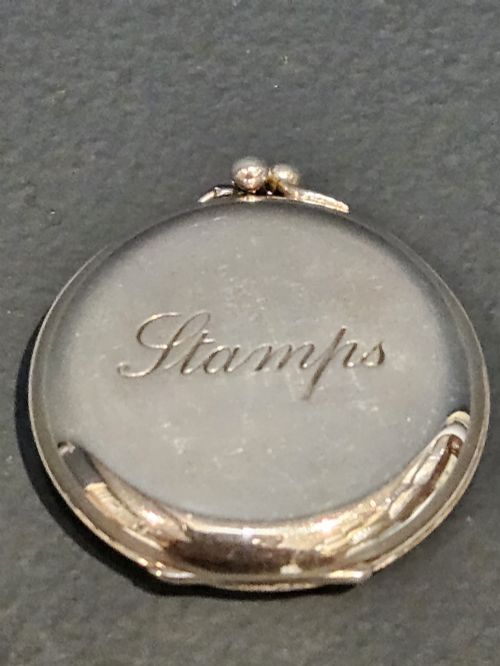
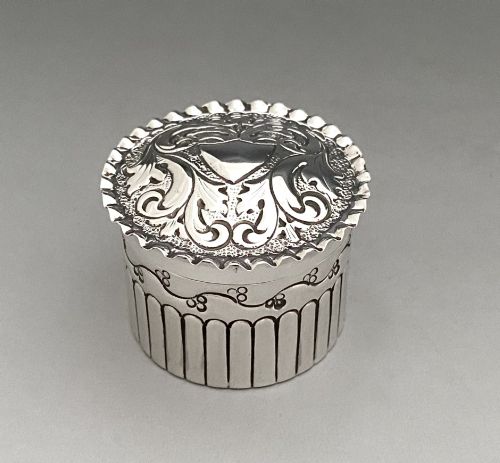
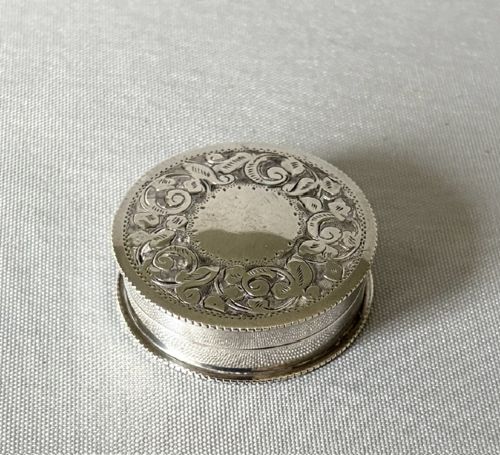
These small engraved silver box pieces are pocket-sized vessels of precious metal, prized for their intricate chased decoration and fine craftsmanship.
Small Engraved Silver Box
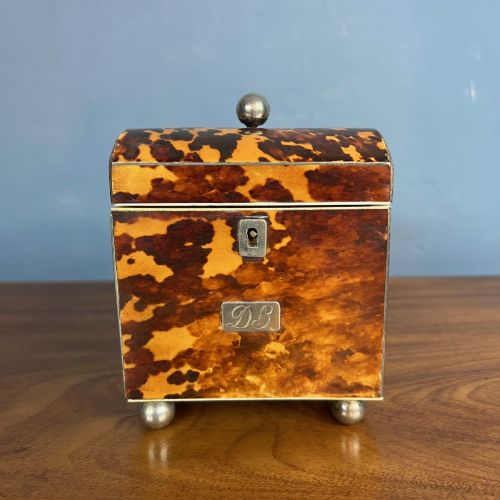
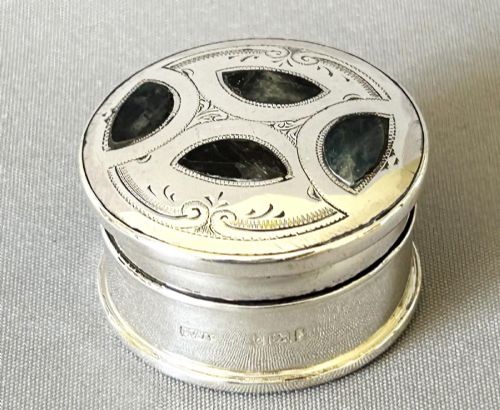
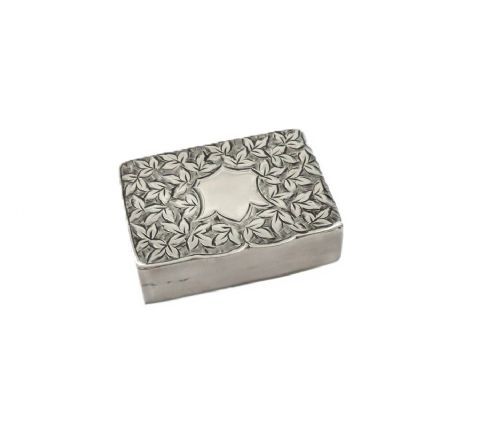
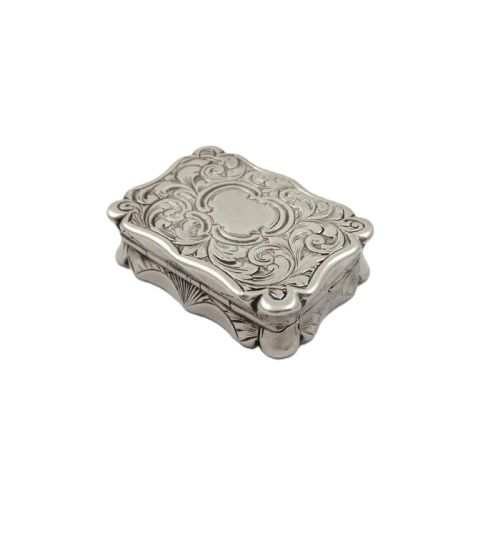
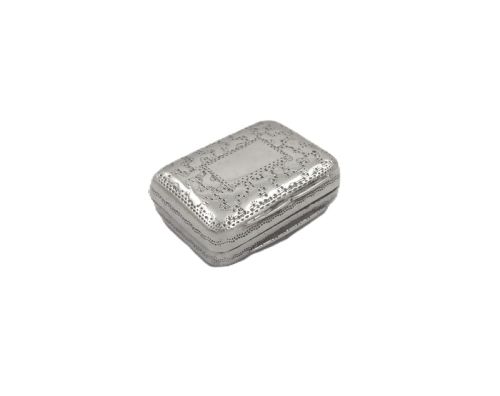
When searching for a small engraved silver box, buyers encounter an array of pocket-sized containers including snuff boxes, vinaigrettes, pill boxes, pyx boxes, and trinket boxes. These pieces span the Georgian, Victorian, Edwardian, and Art Deco periods, encompassing both British sterling silver and continental 950 silver gilt.
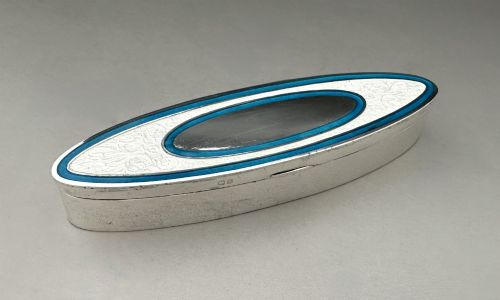
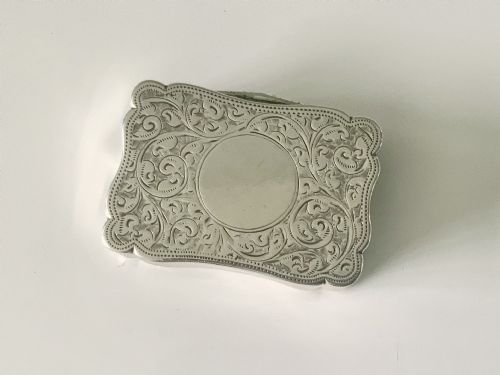
The domestic forms range from heart-shaped pill boxes and waistcoat pocket oval snuff boxes to combination double compartment snuff and vesta cases. Many feature crisp exterior hand-engraving combined with inset agate, bi-colour enamel, or rich vermeil interiors.
Originating largely from British assay offices like Birmingham and Chester alongside nineteenth-century French workshops, these items served personal, functional roles in daily life before becoming collectible display objects.
Materials and construction
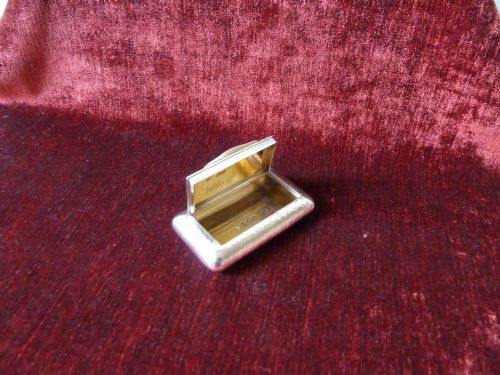
Makers formed these containers primarily from sterling silver, 950 silver, and silver-gilt, occasionally augmenting the metalwork with natural Scottish agate or delicate bi-colour enamel panels. Interiors frequently received a layer of gold wash or vermeil to protect the silver from corrosive contents like snuff.
Craftsmen utilised hand-engraving techniques to decorate the exterior surfaces with floral, geometric, or scroll motifs, often working within constrained dimensions for waistcoat pocket use. Hinges, bezels, and snap closures were hand-fitted to ensure secure daily operation.
Small Engraved Silver Box Retail Price Guide 2026
Typical asking prices for small engraved silver box among the pieces listed under this phrase on Sellingantiques today, from the lower quarter to the upper quarter. They describe what is for sale here now, not the wider market.
Listings feature items from the Georgian, Victorian, and Edwardian periods, constructed in sterling silver, 950 silver, enamel, and agate.
Distinctions in quality
Superior examples exhibit deep, crisp hand-engraving that retains its sharp edges without softening from excessive polishing or wear. The quality of the hinge mechanism and the tightness of the box closure also differentiate master silversmith work from standard production pieces.
The integration of secondary materials such as natural Scottish agate or multi-coloured enamel elevates a piece beyond plain metalwork. Maker marks from established silversmiths further distinguish the finest specimens.
JOSEPH TAYLOR·FA BARRETT
The Small Engraved Silver Box Glossary
- Vinaigrette
- A small ornamental box featuring an internal pierced grille, designed to hold a sponge soaked in aromatic vinegar. The perforated internal lid allows the scent to diffuse while containing the liquid.
- Pyx Box
- A small round container historically used to carry the Eucharistic host. In secular contexts, these small lidded vessels served for personal storage.
- Silver-Gilt
- Sterling silver that has been coated with a thin layer of gold on its surface. This technique provides the rich appearance of solid gold while utilising silver as the base metal.
- Vermeil
- Sterling silver plated with gold, commonly applied to the interior bowls of boxes to prevent corrosion from contents. It offers a warm golden contrast to the exterior silver.
- Hallmark
- An official stamp applied to precious metals indicating the standard of purity, the assay office, and the date letter. These marks verify the origin and metal content of the piece.
Small Engraved Silver Box: Frequently Asked Questions
What were small engraved silver boxes used for?
These vessels were personal accessories designed to hold dry snuff, medicinal pills, or aromatic vinegars for freshening the air. Wealthy individuals carried them in pockets or reticules during the Georgian and Victorian eras.
Their compact size made them practical items for daily carriage, combining utility with personal status ornamentation.
How do I date a silver box?
Dating relies heavily upon the stamped hallmarks, which include maker's marks, assay office symbols, and annual date letters. Style indicators like Art Deco geometry or Victorian floral engraving also provide chronological context.
Comparing the construction techniques and hinge styles helps narrow down the period of manufacture when marks are rubbed.
How should I clean antique silver boxes?
Cleaning requires a soft microfiber cloth and mild soapy water to remove dust without damaging the delicate hand-engraving. Abrasive polishes should be avoided because they wear down crisp surface details and hallmarks over time.
Preserving the natural tarnish in recessed areas often enhances the visibility of the engraved patterns.