



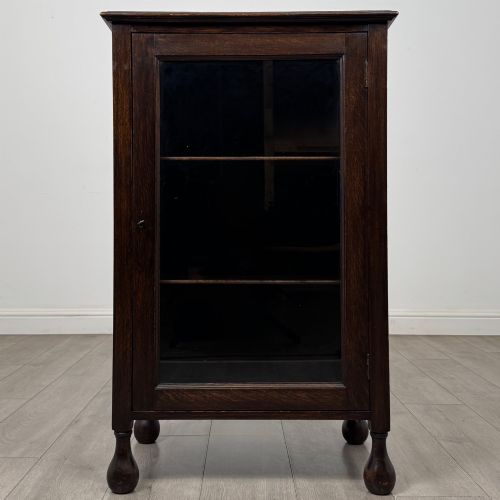
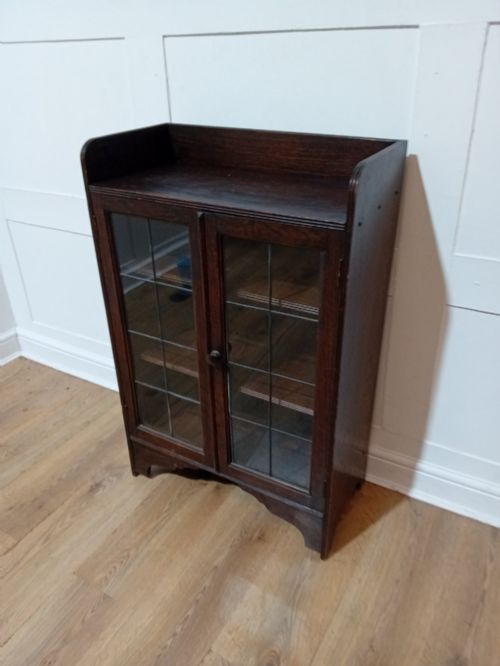
Small Edwardian Oak Bookcase
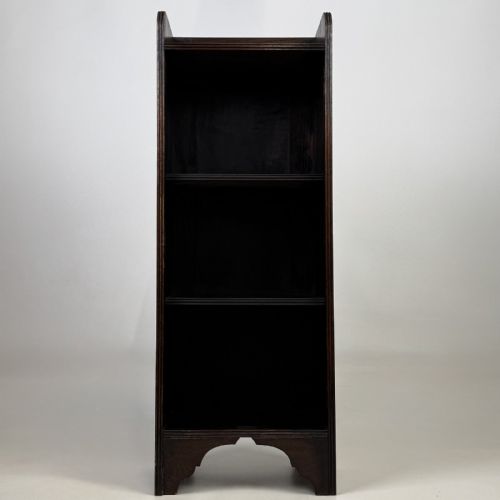
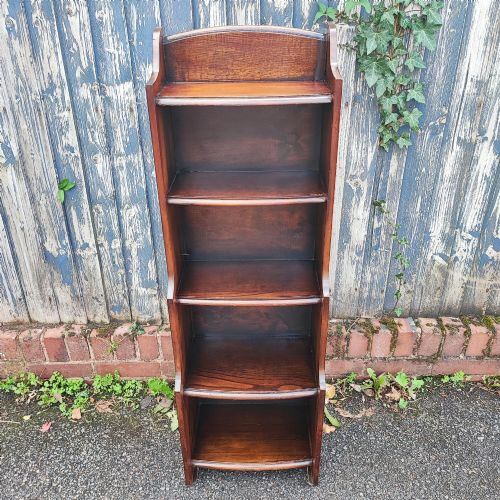
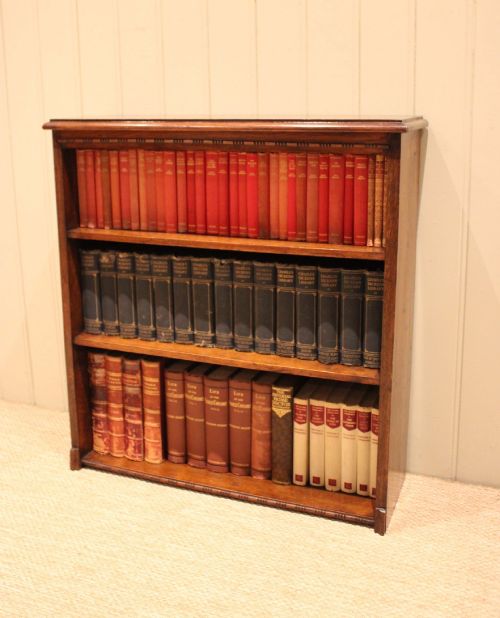
A small edwardian oak bookcase offers compact storage for volumes while bringing sturdy timber grain and period character into a room.
Small Edwardian Oak Bookcase
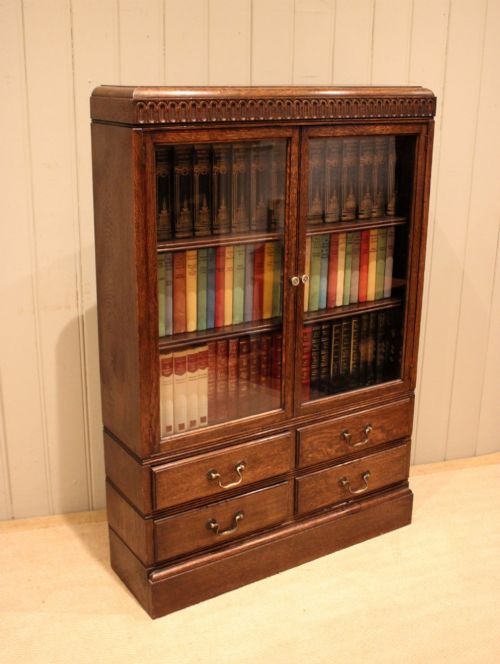
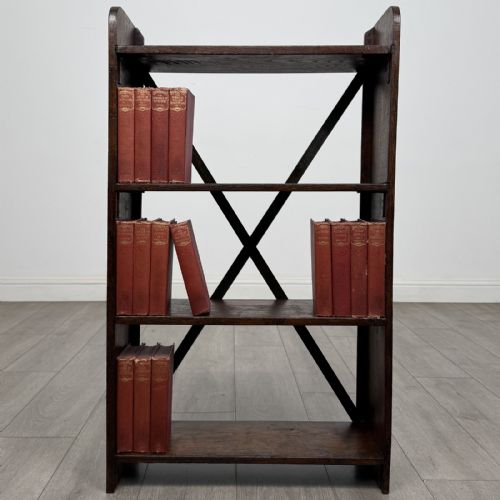
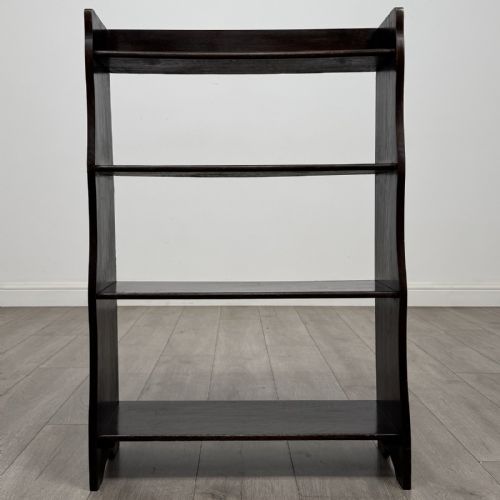
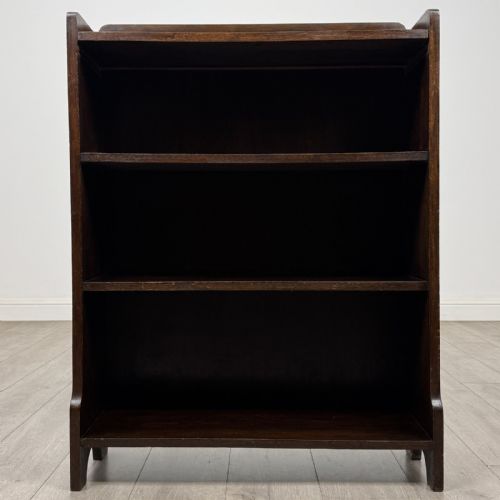
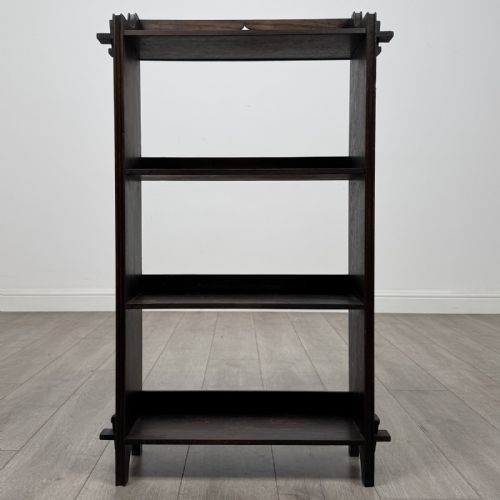
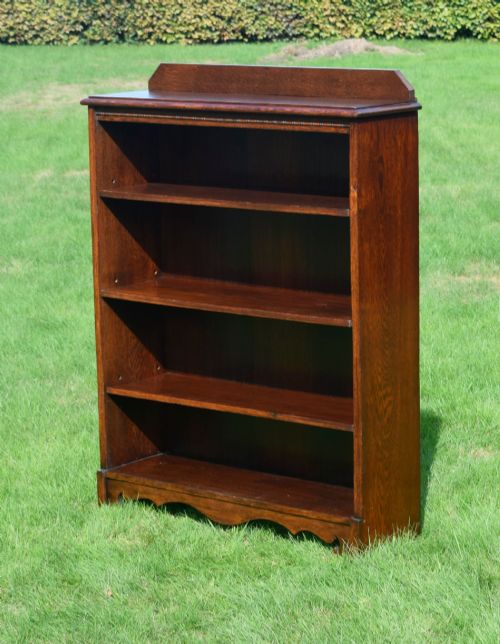
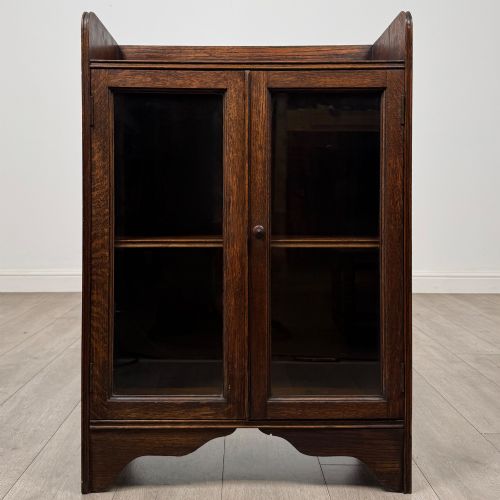
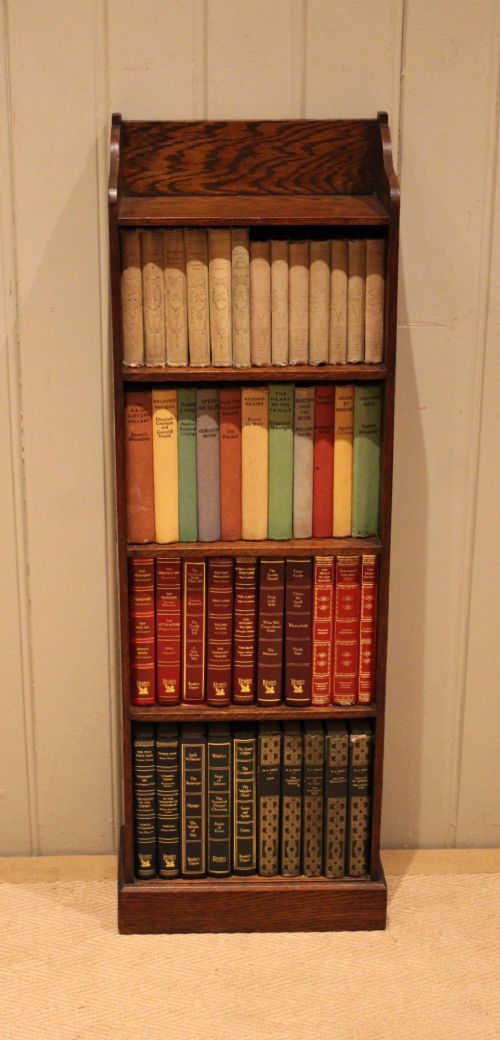
When searching for a small edwardian oak bookcase, buyers encounter compact storage items designed to hold manageable collections of books without dominating a domestic interior. The pieces visible on this page span the Edwardian era alongside surrounding periods like the Victorian age and the early twentieth century, taking forms such as open shelf units, revolving bookstands, and glazed display cabinets.
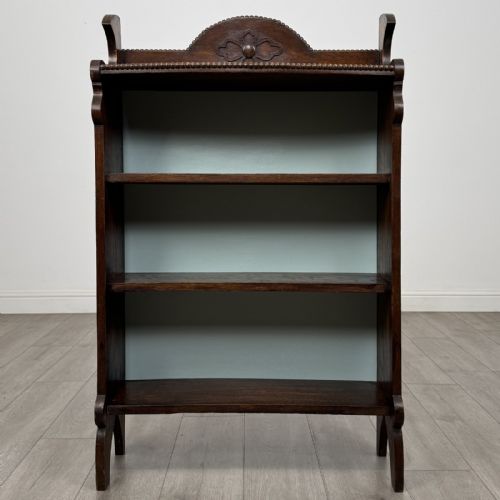
Most examples lean towards straightforward utility, appearing as open bookcases with raised galleries, beaded edges, or lower drawers. Alongside these sit variants influenced by the Arts and Crafts style, featuring pegged joints or carved details, as well as occasional dwarf cabinets and student bureaus.
Origins remain rooted in English cabinet making traditions, utilising sturdy timbers suited to domestic studies, sitting rooms, and parlours. The selection relies heavily on practical dimensions, ensuring these smaller formats fit neatly into tighter spaces while retaining period authenticity.
What varies in quality
Quality differences emerge in the selection of timber grain and the crispness of carved details found on edges, galleries, and door panels. Simpler open bookcases rely entirely on honest joinery and the natural figuring of the oak, whereas Arts and Crafts pieces distinguish themselves through visible pegged construction and considered proportions.
Hardware choice and secondary materials like brass handles, lead cames in glass doors, or the smooth rotation mechanisms of revolving bookstands indicate the original tier of manufacture. Pieces retaining integrated lower cupboards or drawers demonstrate more complex cabinet work than basic open shelf units.
Small Edwardian Oak Bookcase Retail Price Guide 2026
Typical asking prices for small edwardian oak bookcase among the pieces listed under this phrase on Sellingantiques today, from the lower quarter to the upper quarter. They describe what is for sale here now, not the wider market.
Some student bureaus fold out neatly when a sudden wave of academic inspiration strikes.
The Small Edwardian Oak Bookcase Glossary
- Edwardian
- Pertaining to the reign of King Edward VII, spanning from nineteen hundred to nineteen ten, noted for lighter furniture designs following heavy Victorian styles.
- Arts and Crafts
- A design movement emphasising handcraftsmanship, simple forms, and traditional construction methods like pegged joints.
- Raised gallery
- A low decorative railing surrounding the top surface of a bookcase or cabinet, designed to keep items from sliding off.
- Revolving bookcase
- A small tiered stand mounted on a rotating base, allowing easy access to books from a seated position.
- Beaded edge
- A narrow rounded moulding carved along the border of a shelf or panel to add subtle visual definition.
- Glazed cabinet
- A piece of furniture featuring glass-panelled doors that protect books or display items while keeping them visible.
Small Edwardian Oak Bookcase: Frequently Asked Questions
What is a small edwardian oak bookcase?
A small edwardian oak bookcase is a compact piece of period furniture built to house modest collections of books in domestic spaces.
These items utilise sturdy timber construction and typically feature open shelving, glazed doors, or revolving stands suited to smaller rooms.
How were these bookcases used?
Original owners placed them in studies, parlours, and bedrooms to keep frequently read volumes within arm reach.
Revolving versions sat beside armchairs for easy selection, while glazed variants protected more valued texts from dust.
How do I style one at home?
Pair the warm timber tones of the oak with traditional or contemporary interiors where floor space is at a premium.
The top surface or raised gallery provides a convenient spot for small decorative objects or plants alongside the stored books.
How can I tell the period?
Look for construction traits, wood finishes, and stylistic influences such as Arts and Crafts pegging or Edwardian lighter proportions.
Comparing edge details, hardware materials, and overall joinery helps distinguish these pieces from later twentieth-century reproductions.