





Small Decorative Cabinets
Small decorative cabinets bring concentrated artistry and scale to compact rooms, offering clever storage wrapped in painted lacquer, fine wood, and metal mounts.
Small Decorative Cabinets
Small decorative cabinets encompass compact storage pieces designed primarily to display or contain precious objects rather than heavy domestic items. When you search for small decorative cabinets, you encounter forms ranging from tabletop table cabinets and lacquer kodansus to diminutive cupboards and side cabinets.
The selections span centuries and stylistic revivals, with pieces emerging from Georgian, Victorian, Edwardian, and later twentieth-century workshops. Materials shift from walnut and golden oak to painted lacquer and rosewood, often accented with brass or gilt details.
How they were made
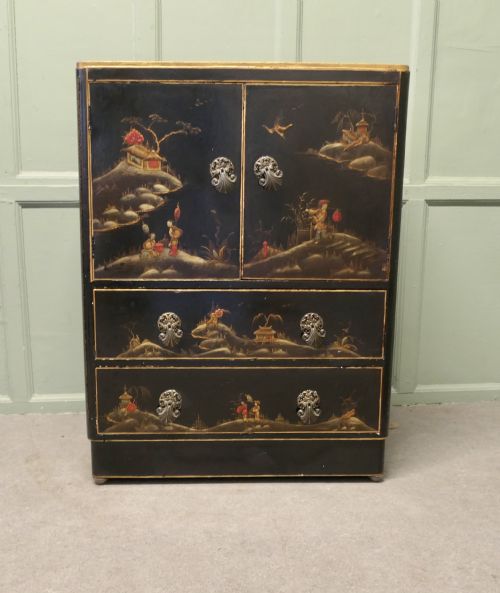
Makers utilised solid timbers like walnut, oak, and rosewood as foundational carcasses, constructing frames built to house specialised storage compartments, drawers, and display shelves. Surface decoration received primary attention, employing techniques such as black lacquer, hand-painting, and faux tortoiseshell finishes.
Metalwork played a structural and ornamental role, incorporating brass hinges, ormolu mounts, and cloisonne elements to frame doors and protect corners. Artisans applied intricate hand-painting in Pre-Raphaelite or Chinoiserie styles directly onto wooden panels, sealing them to preserve rich colour.
Small Decorative Cabinets Retail Price Guide 2026
Typical asking prices for small decorative cabinets among the pieces listed under this phrase on Sellingantiques today, from the lower quarter to the upper quarter. They describe what is for sale here now, not the wider market.
Several small cupboards hide secret miniature drawers inside, built specifically for stashing love letters or tiny treasures.
What varies in quality
Quality rests heavily on the execution of the surface decoration, distinguishing master lacquerwork or hand-painting from simpler commercial applications. Crisp details in brass mounts, precise joinery in miniature drawers, and the integrity of the timber carcass separate the finer examples from standard production.
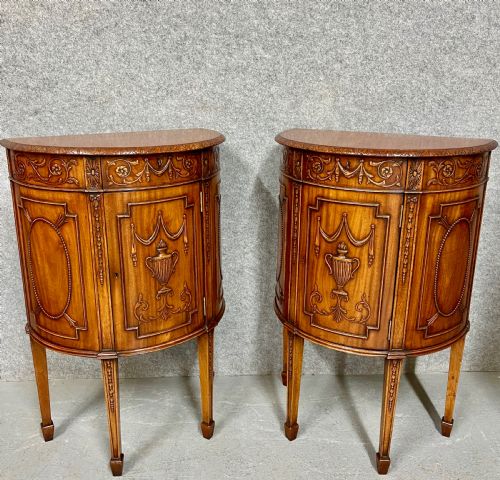
The coherence of the stylistic design dictates distinction, where period elements like Adam style motifs or Japanese Imari influence feel fully integrated rather than pasted on. Preservation of original painted surfaces and hardware maintains the integrity of the piece over time.
Gordovil Spain·Melissa White
The Small Decorative Cabinets Glossary
- Kodansu
- A traditional Japanese small cabinet featuring multiple drawers and compartments, frequently finished in lacquer. These portable storage chests often display intricate metal fittings.
- Chinoiserie
- European decorative style imitating Chinese artistic traditions, popular in painted cabinet finishes. It employs motifs of figures, pavilions, and landscapes against dark lacquer backgrounds.
- Ormolu
- Gilded bronze mounts applied to furniture for decorative effect, common in French desk and cabinet design. The technique creates bright metallic highlights against walnut or painted surfaces.
- Cloisonne
- Enamel work created by pouring coloured pastes into wire partitions soldered to a metal base. This technique appears on decorative vases and small mounted cabinet elements.
- Pre-Raphaelite
- A nineteenth-century artistic movement inspiring romantic, detailed hand-painted scenes on furniture panels. Pieces in this style feature literary or mythological narratives executed in rich pigments.
Small Decorative Cabinets: Frequently Asked Questions
Where do I place a small decorative cabinet?
These compact pieces fit easily onto tabletops, sideboards, or narrow hallway surfaces where full-sized furniture overwhelms the floor plan. Their decorative nature suits them for living rooms or studies.
They work effectively to anchor a vignette when paired with small objects, ceramics, or lamps.
How are small decorative cabinets cleaned?
Dust surfaces gently with a dry, soft cloth to protect delicate lacquer, paint, and polished wood finishes. Avoid harsh chemical cleaners that strip historical varnishes.
Metal mounts benefit from careful, dry wiping to prevent tarnishing without disturbing the surrounding timber.
Can these cabinets hold heavy items?
Internal spaces are designed for lightweight curios, letters, specimen collections, or small tableware rather than heavy books. Overloading shelves can strain miniature joinery and antique hinges.
Use them primarily for display and the containment of small, precious possessions.
How do I identify the period of a cabinet?
Examine the construction methods, such as dovetailing in drawers, and the style of the hardware hinges and locks. Secondary woods and fastener types often point toward Edwardian or earlier manufacturing standards.
Surface materials like lacquer or painted finishes reflect the popular aesthetic movements of their specific decade.