



Small Country Wine Table
A small country wine table brings compact utility and rustic character to a room, offering a sturdy surface for a glass or lamp without demanding floor space.
Small Country Wine Table
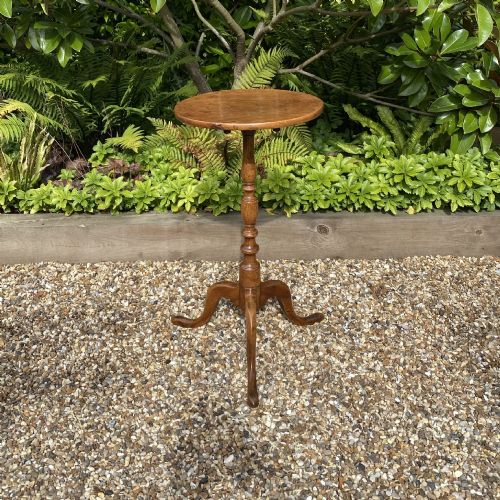
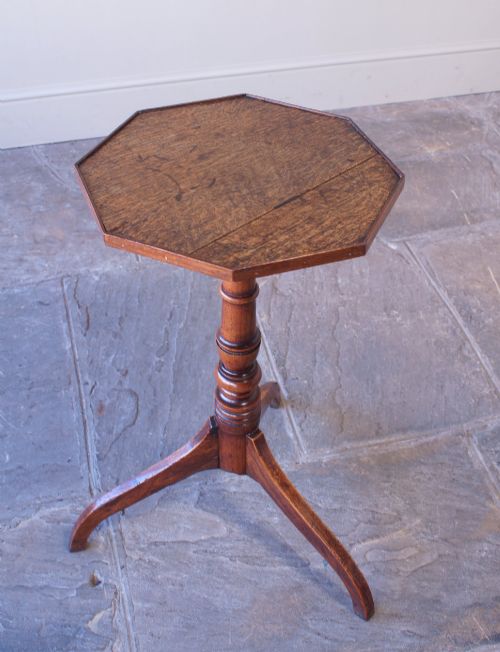
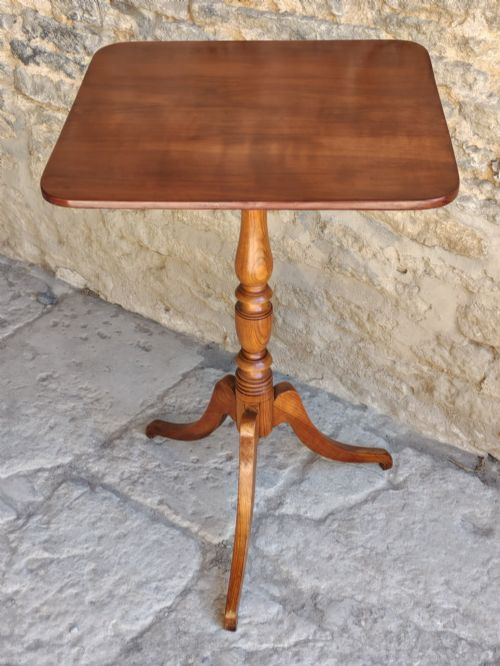
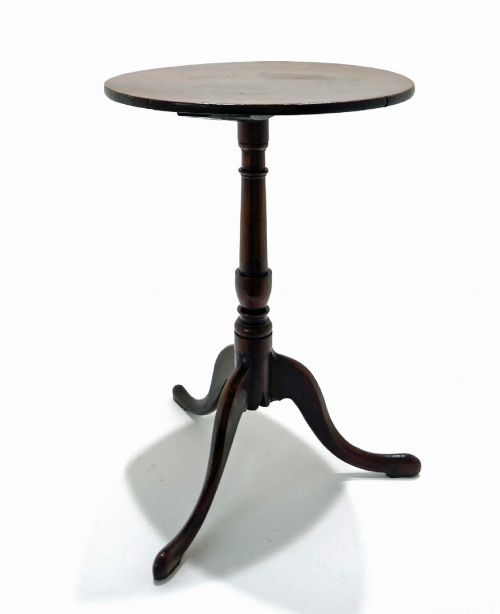
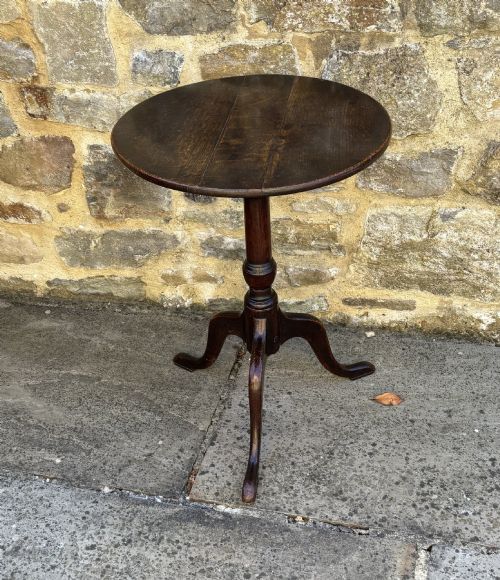
A small country wine table is typically encountered as a compact tripod piece designed for occasional use in domestic spaces. These tables draw on regional traditions, emerging in forms that serve as wine tables, lamp tables, or side tables.
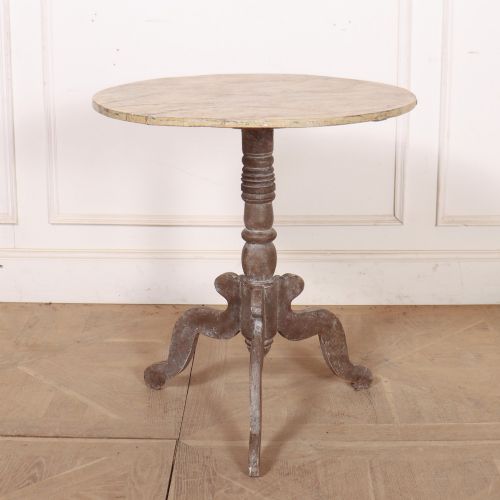
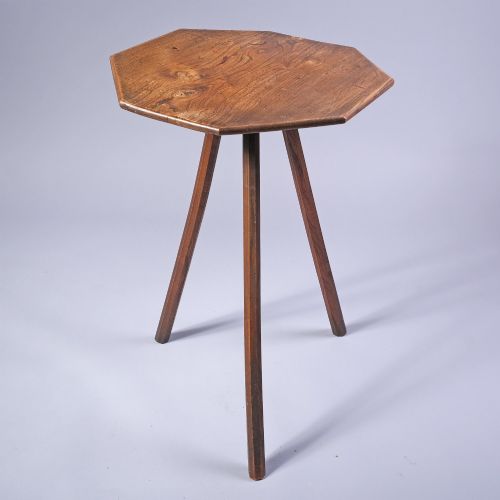
The selections span several eras, with pieces originating from the eighteenth century, the Georgian period, the nineteenth century, and the Edwardian era. Buyers regularly encounter vernacular designs such as cricket tables and tripod occasional tables alongside painted Swedish variants.
Makers working in domestic timbers produced these small tables with distinct regional quirks, ranging from George II walnut and George III oak to fruitwood, ash, and elm. Each piece reflects the functional requirements of its period, balancing simple utility with traditional cabinet-making methods.
How they were made
Constructed from solid native timbers, these tables rely on regional hardwoods and softwoods such as oak, mahogany, walnut, fruitwood, ash, elm, and pine. Cabinet-makers selected these materials for their durability and grain, utilising both dense hardwoods for turned columns and lighter softwoods for painted surfaces.
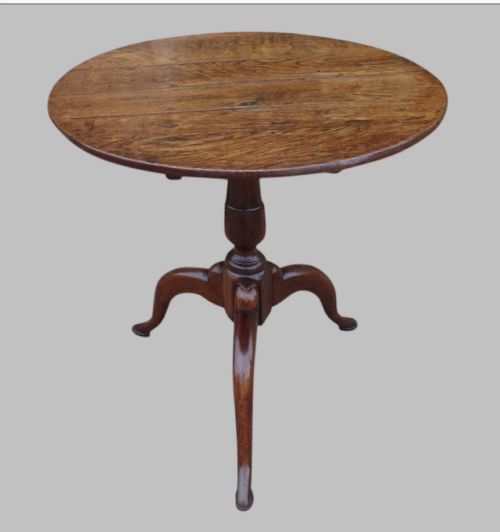
Construction techniques centre on traditional joinery, notably tripod bases featuring three legs jointed to slender central columns. Many examples incorporate a tilt-top mechanism, allowing the surface to tip vertically when not in use.
Small Country Wine Table Retail Price Guide 2026
Typical asking prices for small country wine table among the pieces listed under this phrase on Sellingantiques today, from the lower quarter to the upper quarter. They describe what is for sale here now, not the wider market.
Materials recorded across the selection include oak, mahogany, walnut, fruitwood, ash, elm, pine, painted wood, softwood, and marble.
What varies in quality
Quality in a small country wine table lies in the proportion of the turning and the harmony between the top and the base. A well-proportioned piece maintains a slender column and balanced legs that support the surface securely without heavy or clumsy junctions.
The choice of timber and the depth of natural patina dictate the visual character of the surface. Finer examples display honest wear on native woods like oak, walnut, or fruitwood, where grain and colour have deepened organically over centuries of use.
The Small Country Wine Table Glossary
- Tripod table
- A small occasional table supported by a central pillar resting on three legs. This construction prevents wobbling on uneven historic floors.
- Cricket table
- A small three-legged table with a round wooden top, traditionally used in domestic settings. The design provides exceptional stability on flagstone or timber floorboards.
- Tilt-top table
- A table featuring a hinged mechanism that allows the top to be pivoted into a vertical position. This clever feature saved valuable floor space in smaller rooms.
- Vernacular furniture
- Domestic pieces made by local craftsmen using regional traditions and native woods rather than following rigid metropolitan fashions. These items prioritise everyday utility and local material availability.
- Patina
- The surface sheen and colour developed by wood over years of handling, polishing, and exposure to light. A rich patina indicates age and careful use.
Small Country Wine Table: Frequently Asked Questions
What is a small country wine table used for?
These pieces function primarily as movable stands for drinks, lighting, or small decorative objects. Their compact footprint allows them to sit beside chairs or in tight corners where larger furniture cannot fit.
Historically, their portability made them easy to shift around a parlour or dining room as needed. Today, they serve a similar purpose in modern rooms requiring flexible surface space.
How do I date an 18th-century wine table?
Dating relies on examining the timber species, the turning profile of the central column, and the method of joining the legs to the shaft. Eighteenth-century examples often employ native hardwoods like oak, walnut, or fruitwood shaped with hand tools.
Construction details such as pegging, hand-cut joints, and the wear patterns on the underside offer clear physical evidence of age. Comparing the leg profile against known stylistic periods helps narrow down the decade of manufacture.
Are all small country wine tables made of oak?
While oak is common, makers utilised a wide variety of native timbers depending on regional availability and the desired finish. Walnut, mahogany, fruitwood, ash, elm, pine, and softwood all appear across different examples.
Some pieces feature painted finishes, particularly those originating from continental traditions such as Swedish country furniture. The choice of material often reflects the local woodland resources available to the regional maker.
How do I care for an antique wooden wine table?
Keep wooden tables away from direct heat sources and strong sunlight to prevent the timber from drying out or warping. Regular dusting with a soft, dry cloth is usually sufficient for maintenance.
Avoid modern silicone polishes, opting instead for traditional beeswax applied sparingly to nourish the wood and preserve its natural sheen. Handle the tilt-top mechanism gently if the piece includes one.