

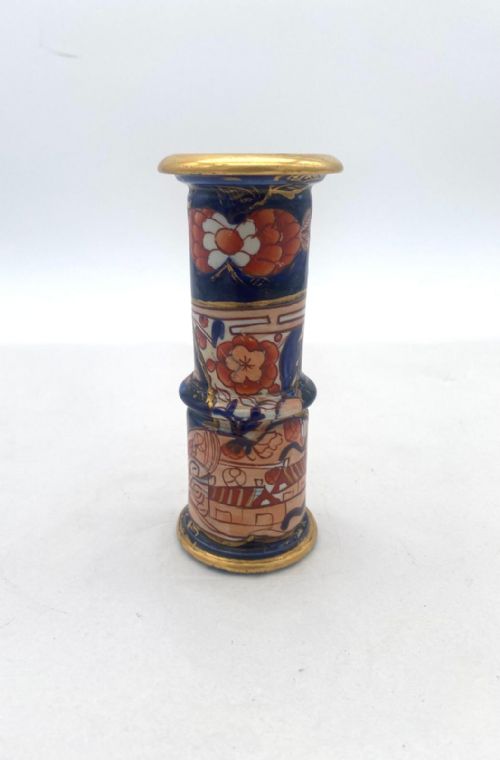
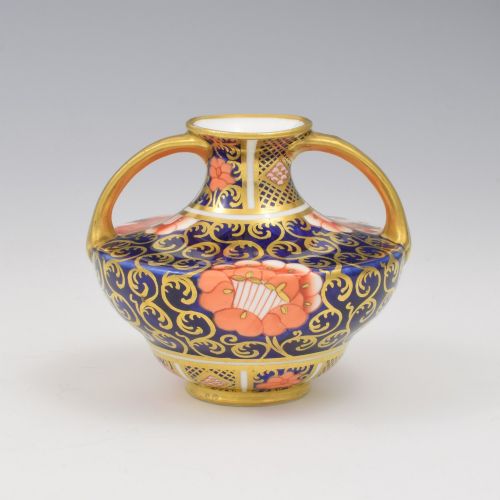


Small Cobalt Blue Vase
These small cobalt blue vase examples deliver intense colour and compact scale, drawing collectors who appreciate rich ceramic glazes and miniature forms.
Small Cobalt Blue Vase
A small cobalt blue vase brings striking colour to a mantelpiece or cabinet, offering concentrated visual weight in a compact footprint. Buyers seeking a small cobalt blue vase frequently encounter delicate cabinet pieces and miniature vessels spanning the nineteenth and twentieth centuries.
The selection here encompasses diverse regional traditions, ranging from English porcelain workshops to continental factories and Japanese export wares. Production dates stretch from the late nineteenth century through the Edwardian era and into the nineteen-thirties.
Makers represented in current stock include Moorcroft, Royal Crown Derby, Meissen, and Doulton, alongside Japanese Satsuma and Imari works. Forms vary from twin-handled vessels and spill vases to bud vases and miniature flower holders.
How they were made
Potters shaped these vessels using porcelain, earthenware, and ceramic bodies before applying cobalt glaze to achieve their deep blue ground. Artisans frequently enhanced the ceramic surface with gilding, gold leaf, and enamel detailing.
Firing techniques required precise kiln control to fix the cobalt oxide pigments and precious metal highlights without running or dulling the glaze. Hand-painted patterns and transfer prints were often combined before final glazing and secondary firing.
Small Cobalt Blue Vase Retail Price Guide 2026
Typical asking prices for small cobalt blue vase among the pieces listed under this phrase on Sellingantiques today, from the lower quarter to the upper quarter. They describe what is for sale here now, not the wider market.
Listings feature porcelain, earthenware, and ceramic bodies decorated with enamel, glaze, gold leaf, and gilding across the nineteenth and twentieth centuries.
What varies in quality
Visual depth of the cobalt glaze separates standard production from superior examples, with finer pieces showing an even, luminous saturation across the ceramic body. Precision in hand-painted enamel work and the crisp application of gold leaf indicate the skill of the original workshop.
Design complexity and form execution also differentiate the range, as seen in Moorcroft tubeline work or intricate Japanese Imari patterns. Miniature vessels that maintain proportion and fine detail despite their small scale demonstrate high standards of period craftsmanship.
Moorcroft·Royal Crown Derby·Meissen·Doulton
The Small Cobalt Blue Vase Glossary
- Cobalt blue
- A deep blue pigment derived from cobalt oxide, used widely in ceramic glazes to create rich surface colour. It remains stable at high kiln temperatures.
- Spill vase
- A tall, narrow vessel designed to hold slender wooden spills used for lighting candles or fires. These items often sat on mantelpieces during the nineteenth century.
- Imari
- A style of Japanese export porcelain characterised by underglaze blue and overglaze red, green, and gold decoration. British factories later adopted these decorative motifs.
- Tubeline
- A ceramic decoration technique where liquid clay is squeezed through a nozzle to outline a pattern before glazing. This method creates raised borders that hold pools of coloured glaze.
- Bespoke
- Made to individual order and specification. While standard production dominated factory output, some items received custom decoration.
Small Cobalt Blue Vase: Frequently Asked Questions
How do I style a small cobalt blue vase?
Place a single vessel on a bookshelf or group miniature examples together inside a glazed display cabinet to showcase their rich glaze. Their compact size allows them to sit comfortably alongside books or small desk accessories.
Keep background tones neutral to let the deep blue pigment and any gilding catch the light without competing with surrounding objects.
What periods do these vases come from?
Current listings span from the late nineteenth century through the Edwardian period and into the nineteen-thirties. You will find Victorian factory output alongside Arts and Crafts and Art Nouveau designs.
Japanese export pieces from around nineteen hundred also appear frequently alongside traditional British art pottery.
Were these miniature vases used for flowers?
Many were produced specifically as miniature flower vases or bud holders for single stems on dressing tables and smaller rooms. Spill vases served a different domestic function entirely, holding tapers for lighting fires.
Over time, many of these small decorative pieces transitioned purely into cabinet display objects rather than functional vessels.
How can I tell Japanese Imari from Edwardian Imari?
Japanese Imari pieces from the Meiji period typically display traditional export motifs and regional clay bodies characteristic of nineteenth-century workshops. Edwardian Imari wares reflect British interpretations by factories like Royal Crown Derby.
Examining the paste underneath and the specific application of the iron red and gold enamel helps clarify the origin of the piece.