






Small Classical Sculpture
These small classical sculpture pieces bring mythological figures and antique forms straight into a room, offering tangible links to antiquity through bronze, marble and terracotta.
Small Classical Sculpture
When searching for small classical sculpture, a buyer encounters figures, statuettes and architectural fragments drawing directly upon ancient Greek and Roman motifs. These works span centuries of European craftsmanship, ranging from seventeenth-century baroque carvings to grand tour bronze figures collected by travellers abroad.
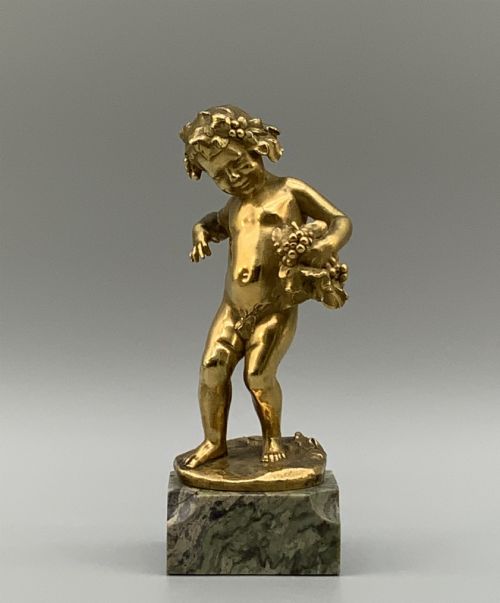
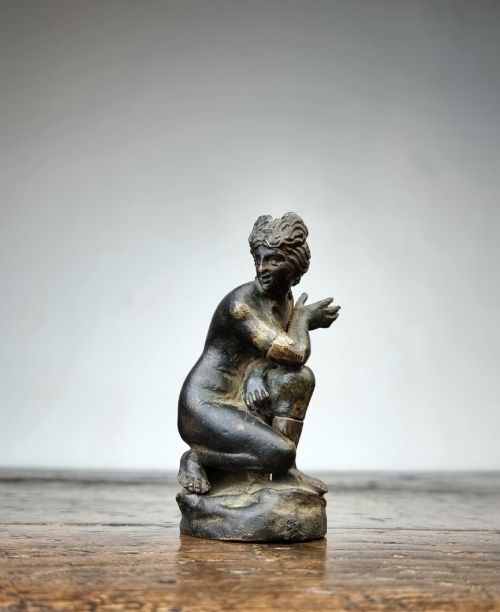
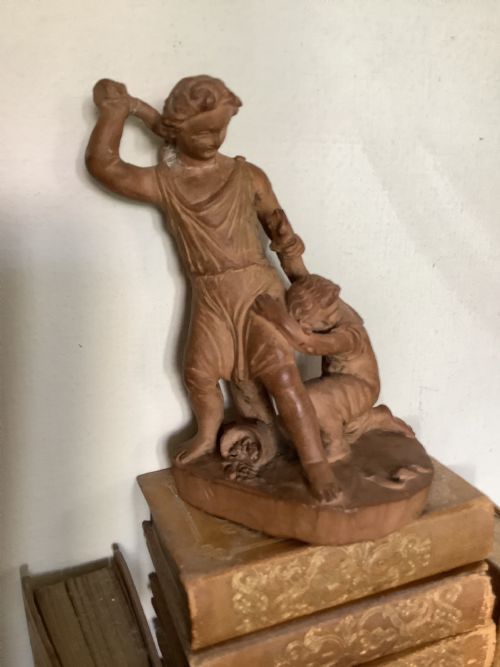
The pieces on this page lean heavily towards bronze and cast metal, alongside terracotta and carved wood. Forms include mythological subjects such as Bacchus, Venus, Dionysus, Hercules, Neptune and Pan, rendered at a scale suited for tabletops and cabinets.
Grand tour bronzes and nineteenth-century classical revivals dominate the selections available here. Buyers meet both signed foundry productions and anonymous cabinet pieces that capture antique aesthetics through patinated metal and gilt finishes.
How they were made
Foundries and workshops utilised traditional casting methods to produce these metal works, employing bronze, brass and gilt bronze. Surface finishes range from dark patinated metal to bright gilding, highlighting the musculature and drapery of each subject.
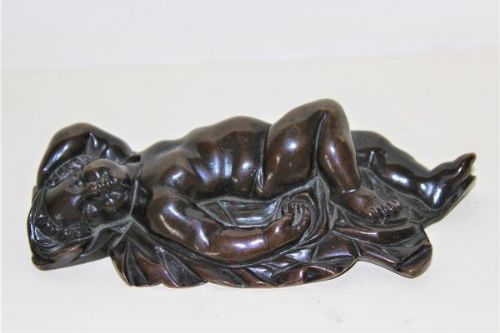
Other pieces rely on direct modelling in terracotta or delicate carving in wood and marble. These manual techniques allowed sculptors to capture fine details in miniature, from Roman helmets to sleeping cherubs.
Small Classical Sculpture Retail Price Guide 2026
Typical asking prices for small classical sculpture among the pieces listed under this phrase on Sellingantiques today, from the lower quarter to the upper quarter. They describe what is for sale here now, not the wider market.
Several pieces capture mythological figures caught off guard, including a sleeping chubby cherub and Pan playing pipes to an appreciative fawn.
What varies in quality
The refinement of the casting and the depth of the chisel work define the upper tier of these pieces. Crisp details in the facial expressions, hair and drapery distinguish superior work from softer, more generalized production.
The quality of the patina and the richness of the metal alloy also set finer sculptures apart. Original patination developed through age or careful chemical treatment adds visual depth that inferior modern surfaces lack.
Charles Louis Malric·Susse Frères·Joseph Gott
The Small Classical Sculpture Glossary
- Grand Tour
- A traditional trip through Europe undertaken by upper-class young men to absorb classical art and culture. Souvenirs from these travels included small bronze sculptures of ancient deities.
- Patina
- A thin layer that naturally or artificially forms on the surface of bronze and copper due to oxidation. Collectors value patinas for their colour and historical depth.
- Neoclassical
- A Western cultural movement drawing inspiration from the art and culture of classical antiquity. This style influenced sculpture and architecture throughout the eighteenth and nineteenth centuries.
- Terracotta
- Unglazed or glazed fired clay used for sculptural models and finished figures. Its warm earthy tones made it a favourite medium for sketch models by classical sculptors.
Small Classical Sculpture: Frequently Asked Questions
What are grand tour bronzes?
Grand tour bronzes are miniature replicas of famous classical statues acquired by travellers touring European cultural centres during the eighteenth and nineteenth centuries.
These pieces served as portable education and display items for private homes, capturing the aesthetic of ancient Rome and Greece.
How do I care for bronze sculptures?
Bronze requires minimal maintenance, needing only a gentle dusting with a soft, dry cloth to keep its surface clean. Avoid using commercial metal polishes or harsh liquids that can strip away the historic patina.
Keeping the sculpture away from excessive moisture and direct sunlight preserves the metal and any applied patination over time.
Where were these small sculptures displayed?
Historically, these figures sat upon library desks, mantelpieces and within specialised collector cabinets. Their modest scale allowed them to be easily handled and admired at close quarters.
Today, they function well on bookshelves, side tables or dedicated display surfaces where their detailed modelling can be appreciated.
How can I tell the age of a bronze?
Determining the age involves examining the characteristics of the casting technique, the wear patterns on the base and the composition of the metal alloy. Manual chasing marks and the stability of the patina offer further clues to a piece's period.
Comparing the style and foundry marks with documented examples helps narrow down the timeframe of production.