
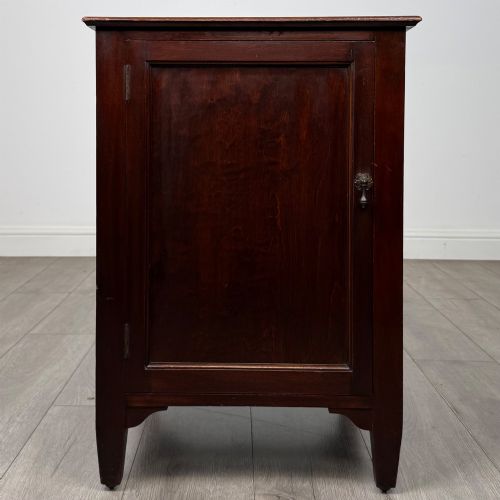
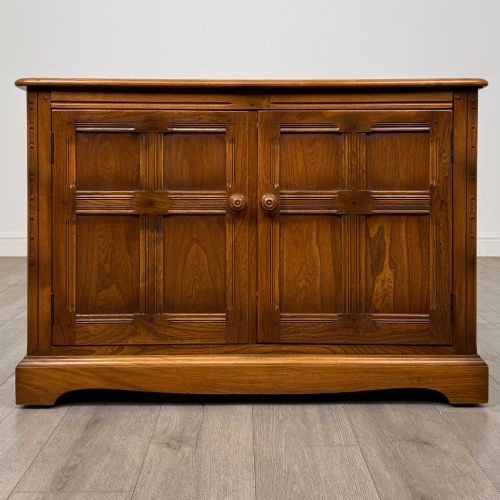
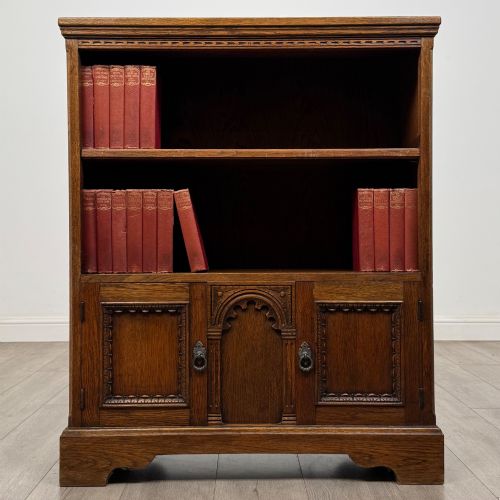
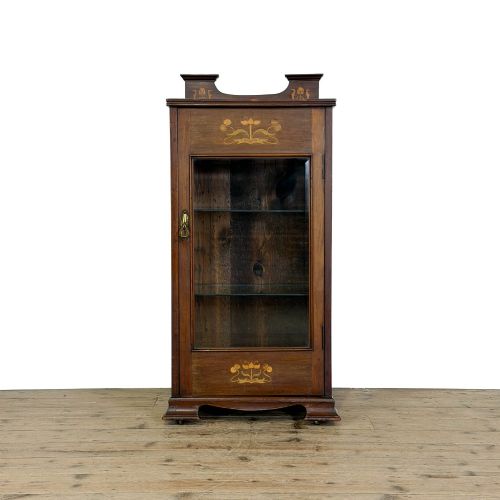

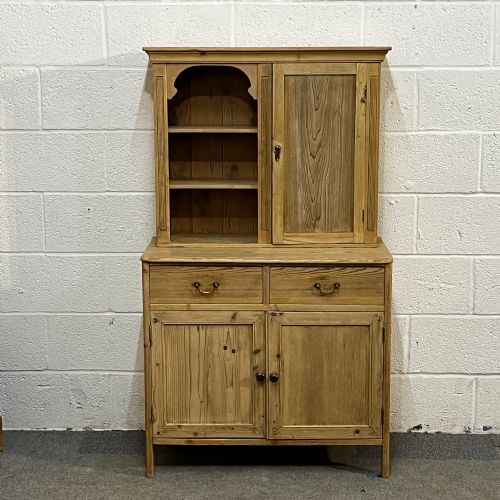
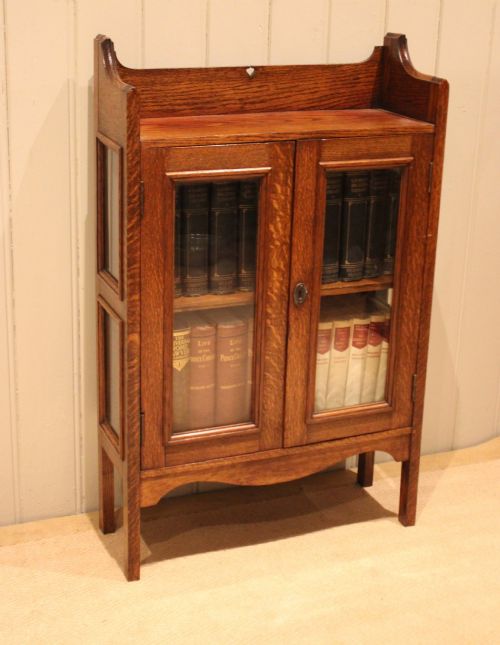
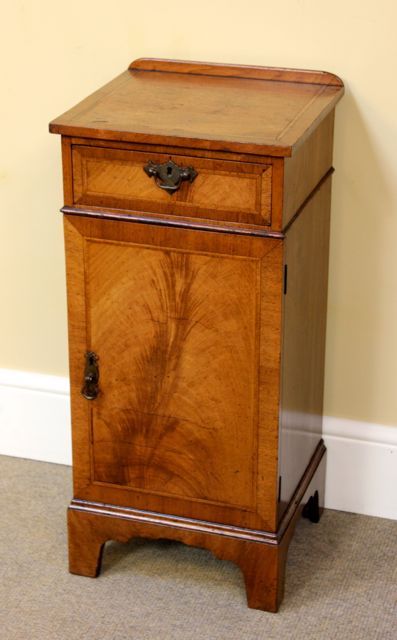
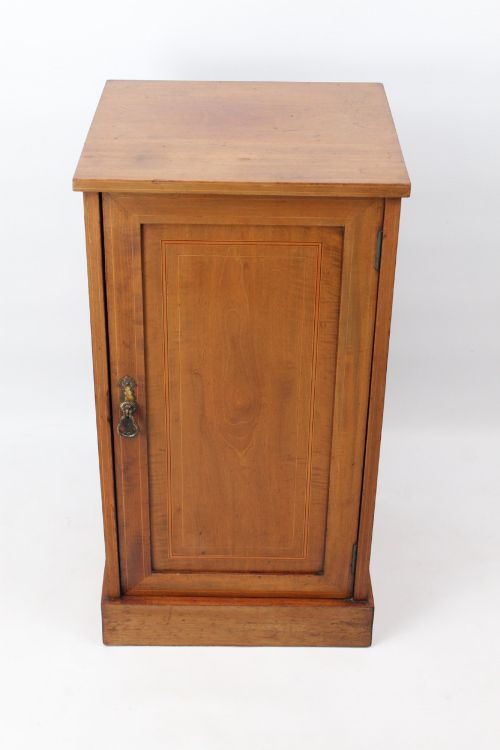
Small Cabinet with Doors
A small cabinet with doors offers compact storage and display, bringing character to tight spaces through period timber and glass.
Small Cabinet with Doors
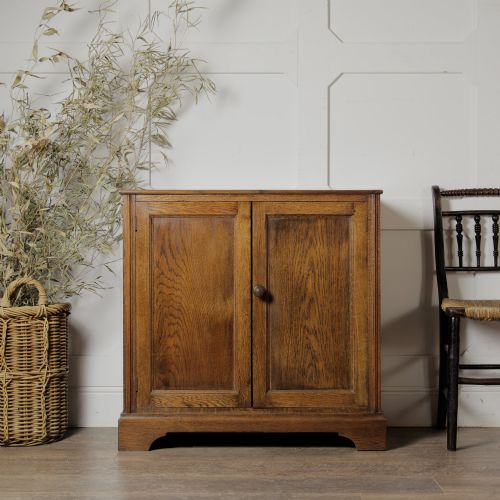
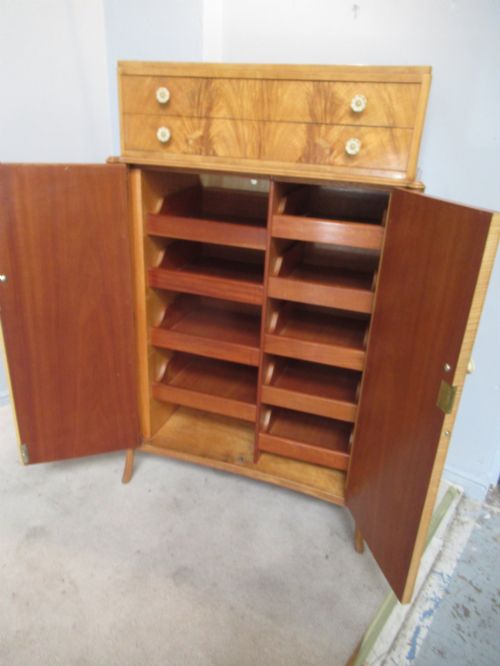
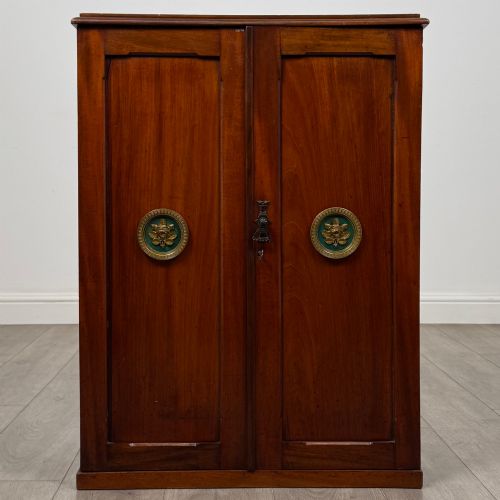
When searching for a small cabinet with doors, buyers encounter a diverse selection of antique furniture ranging from Georgian sideboards to Edwardian display cases. These pieces provide practical enclosed storage through compact footprints suited to modern rooms.
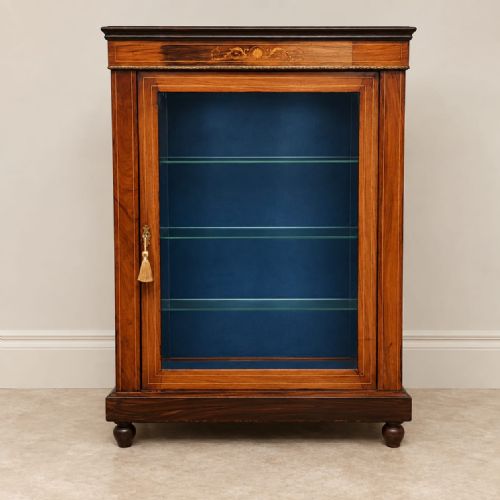
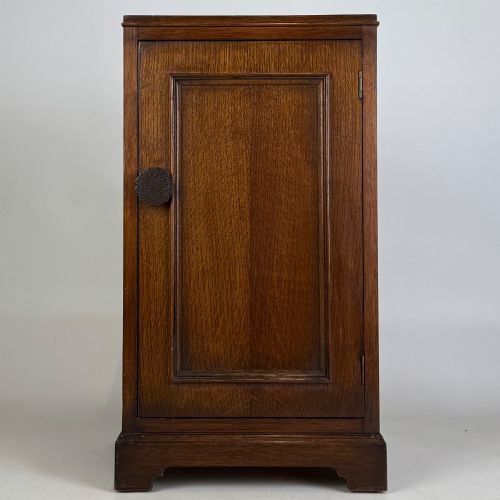
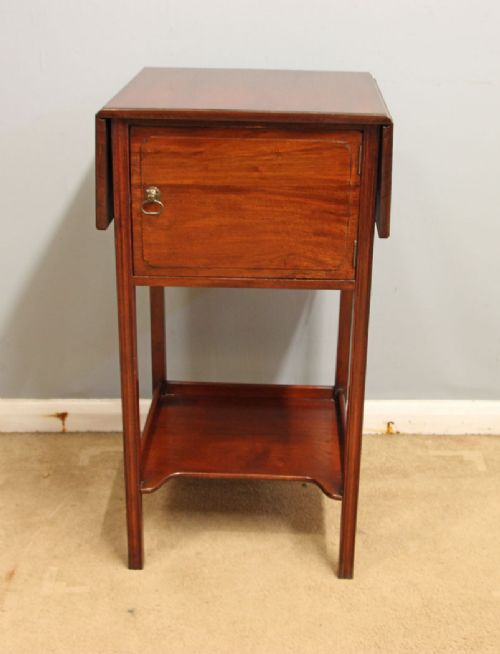
The inventory on this page draws heavily from the nineteenth and twentieth centuries, featuring forms such as chiffoniers, pier cabinets, bedside tables and table cabinets. Oak, mahogany and pine appear frequently alongside finer timbers like rosewood and walnut.
Makers utilised various regional styles, including Jacobean revival, Victorian country and Queen Anne revival, incorporating glazed panels, drawers or galleries. Each item reflects the domestic requirements of its original era, from library storage to bedside utility.
Construction and Materials
Cabinet makers relied primarily on solid hardwoods such as oak, mahogany and walnut, often applying veneers of rosewood or burr walnut over secondary timbers. Construction methods involved traditional joinery, dovetailing for drawers and mortise and tenon frames for doors.
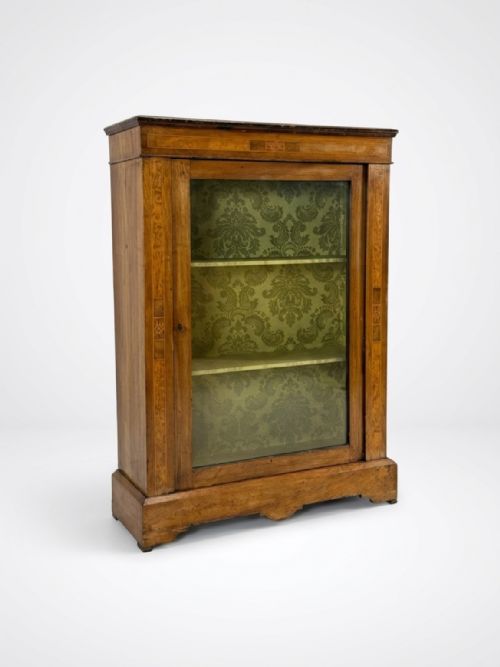
Surface decoration frequently included boxwood marquetry, ebony inlay and carved detailing, particularly on Victorian and Edwardian examples. Brass hardware, glass panes and fabric linings completed the construction of glazed display pieces and tabletop cabinets.
The selection includes specialised forms such as pier cabinets, chiffoniers, tambour nightstands and collector cabinets.
Quality and Craftsmanship
Differences in quality depend largely on the selection of timber and the precision of the cabinetmaker's joinery. Superior pieces display carefully matched veneers, tight dovetail joints and well-fitted doors that operate smoothly within their frames.
The refinement of decorative elements, such as fine boxwood marquetry or detailed carving, separates standard utility pieces from finer salon furniture. Original hardware, glass and intact interior fittings further elevate the standing of a piece.
The Small Cabinet with Doors Glossary
- Chiffonier
- A low sideboard or cabinet, popular during the Regency and Victorian periods, typically featuring doors enclosing shelves beneath a drawer or superstructure.
- Pier Cabinet
- A slender cabinet designed to stand against the wall space between windows, often glazed to display porcelain or small collections.
- Marquetry
- Decorative patterns formed by the insertion of pieces of wood, shell or ivory into a veneered surface.
- Tambour
- A flexible shutter or door constructed from narrow strips of wood glued to a canvas backing, allowing it to slide around a curve.
- Gallery
- A raised decorative rail running along the top edge of a cabinet, table or desk to prevent items from sliding off.
- Burr Walnut
- Timber taken from a growth on a walnut tree, yielding a swirling, highly figured grain pattern prized for fine veneer work.
Small Cabinet with Doors: Frequently Asked Questions
How were small cabinets with doors used originally?
These cabinets served various domestic functions, from storing books and papers in libraries to holding linens or china in living rooms and bedrooms.
Smaller table models and collector cabinets kept precious items, documents or specimens secure under lock and key.
What woods are most common in these cabinets?
Oak and mahogany appear most frequently, offering durable surfaces and rich grain patterns suitable for everyday furniture.
Walnut, rosewood and pine also occur regularly, often paired with decorative inlays or painted interiors.
How do I distinguish between Victorian and Edwardian pieces?
Victorian cabinets generally display heavier proportions, darker finishes and more ornate carving or marquetry. This era spans from the mid-nineteenth century up to nineteen-0-one.
Edwardian pieces, dating from the early twentieth century, often lean towards lighter timbers, simpler lines and influences from earlier revival styles.
Are glazed doors common on these cabinets?
Glass doors feature on many examples, particularly bookcases, pier cabinets and display pieces designed to showcase contents while protecting them from dust.
Solid panel doors of timber appear on bedside cabinets, cupboards and chiffoniers where concealed storage was preferred.
How can I fit a small antique cabinet into a modern room?
Their compact dimensions allow these cabinets to sit comfortably in hallways, alcoves or beside seating as functional storage surfaces.
They provide practical organisation for books, tableware or media accessories while adding period warmth to contemporary interiors.