

Small Brass Pendant
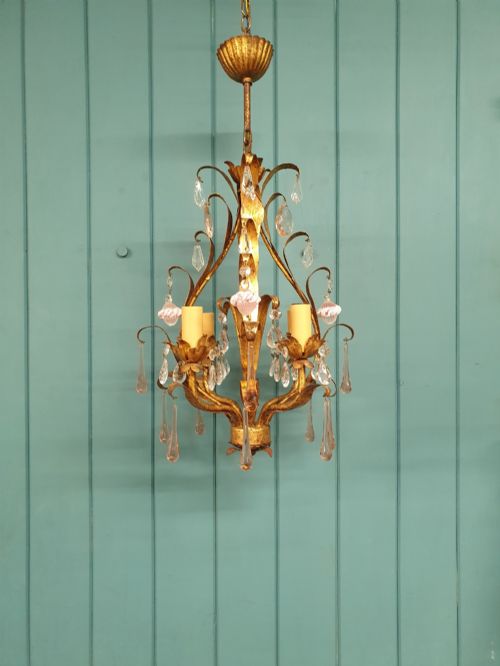
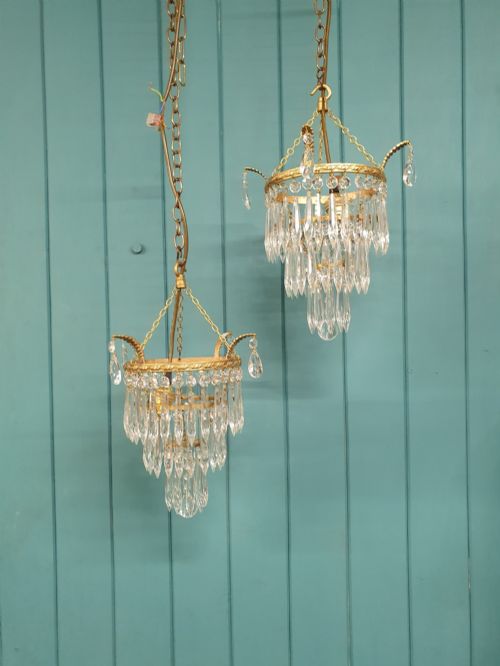
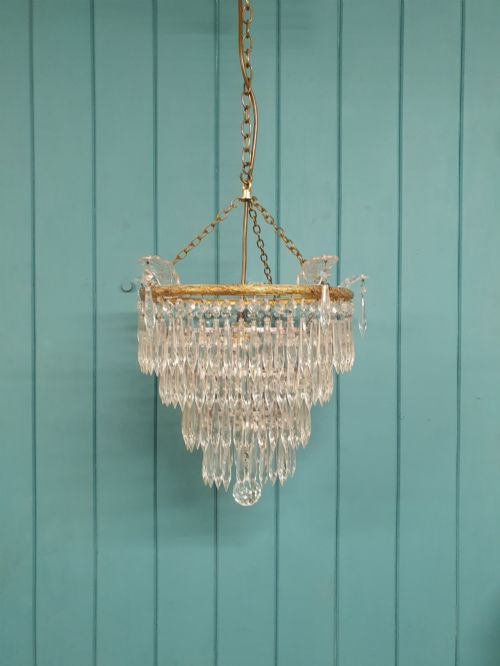
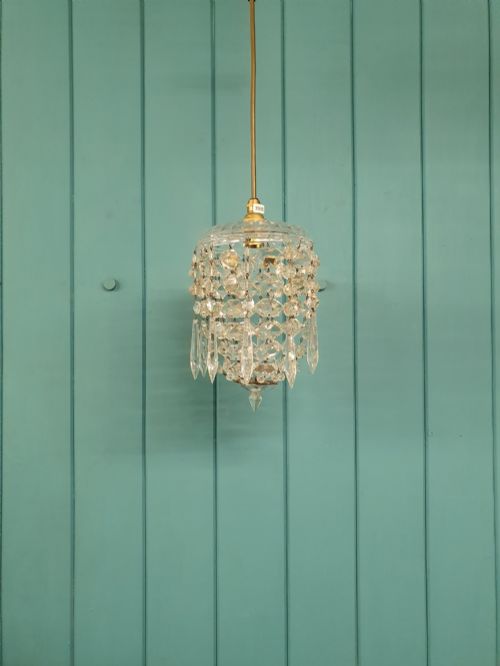
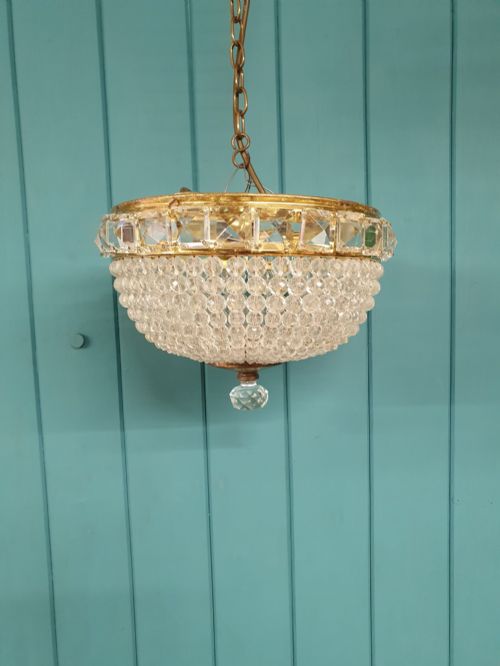
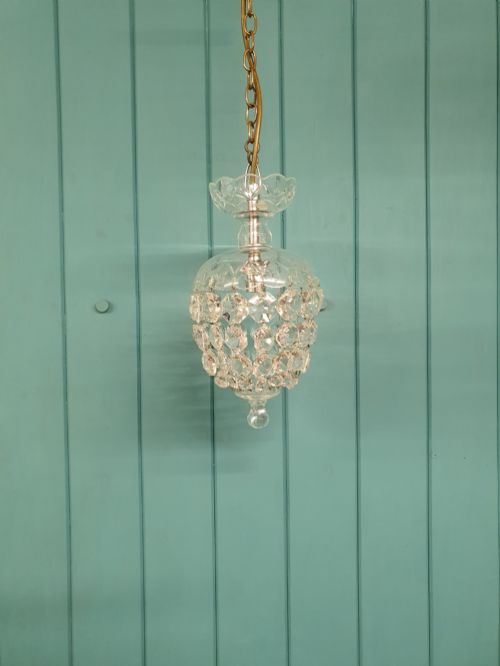
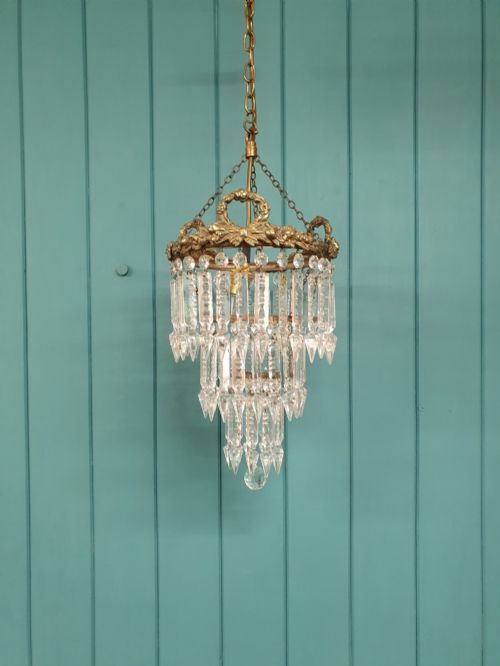
A small brass pendant brings concentrated sparkle to smaller rooms, combining metal mounts with glass prisms for focused overhead illumination.
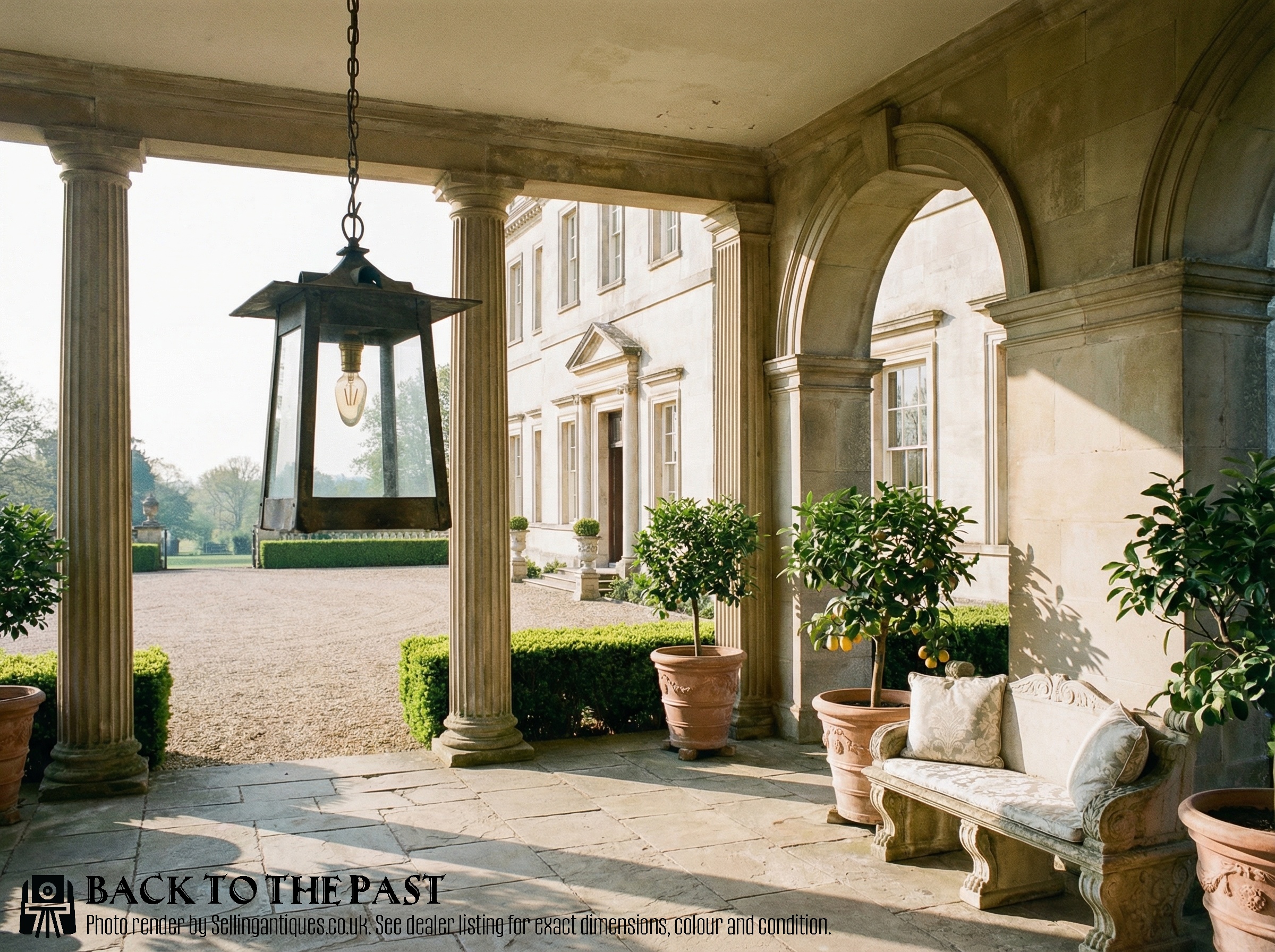
Small Brass Pendant
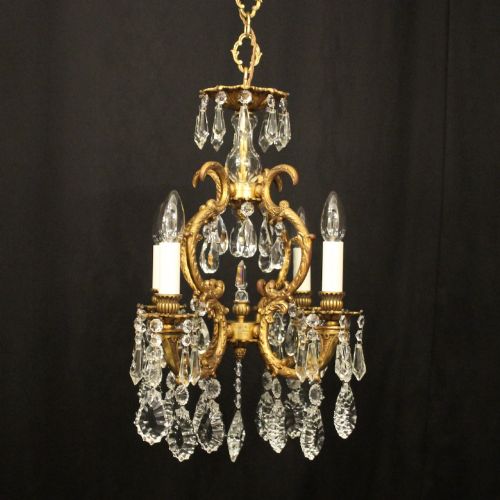
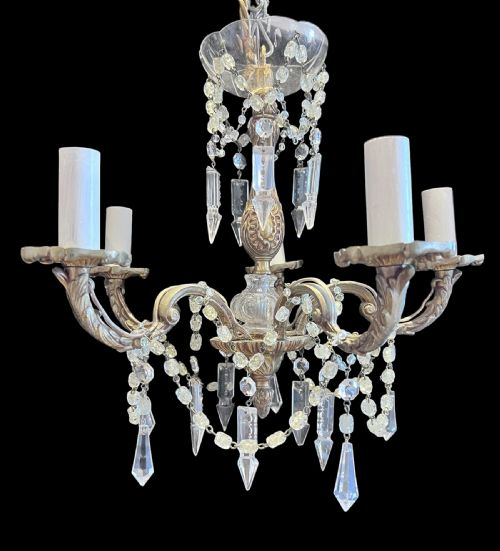
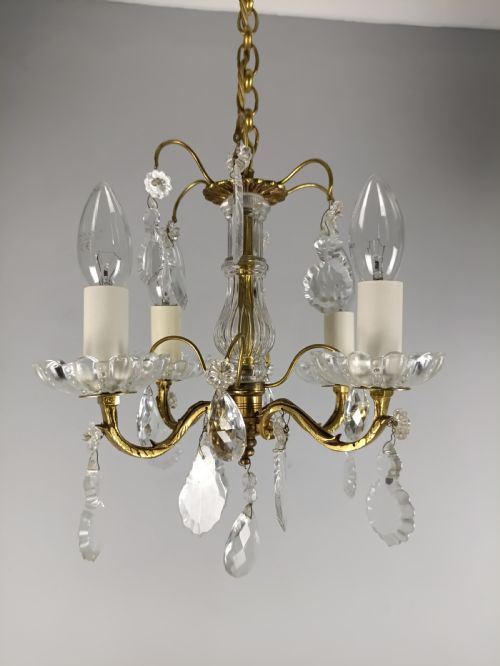
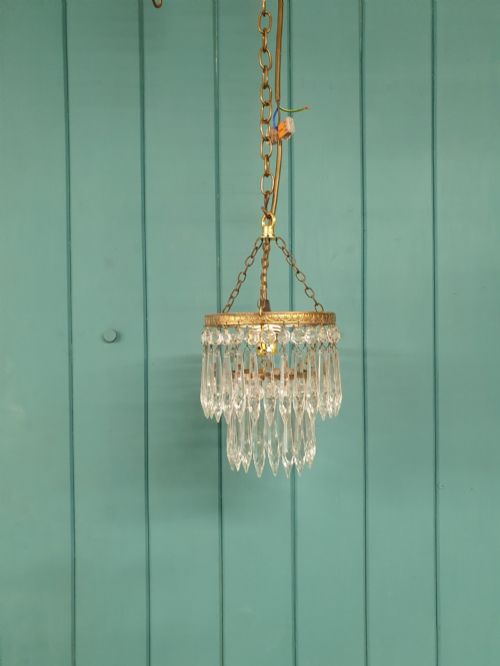
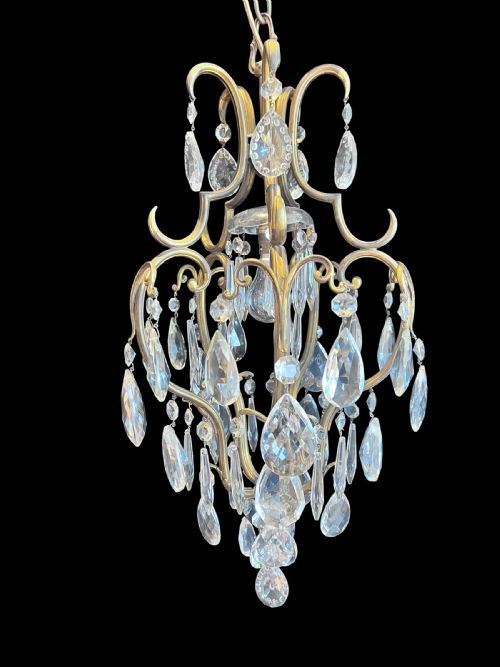
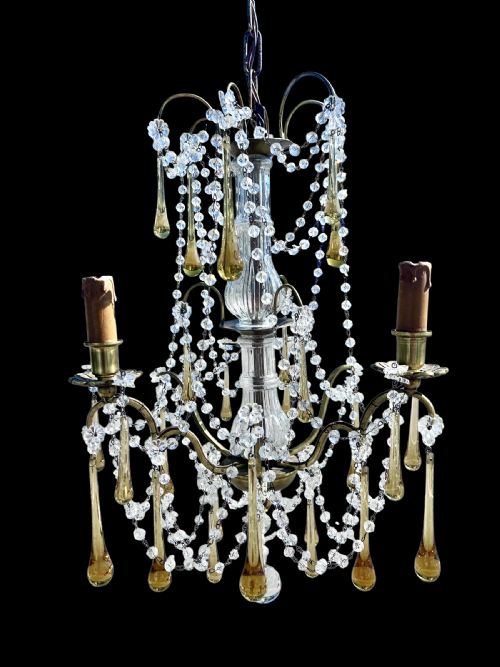
A small brass pendant typically takes the form of a compact chandelier, hanging lantern, or single light fitting designed for intimate spaces. When searching for a small brass pendant, buyers encounter pieces originating from the nineteenth century through the early twentieth century, including Edwardian designs.
Materials and construction
Makers utilised cast and pressed brass, gilt brass, and gilt bronze to form the structural frames and mountings that hold the glass elements. These metal frameworks support hanging arrangements of cut glass, crystal glass, and moulded glass prisms.
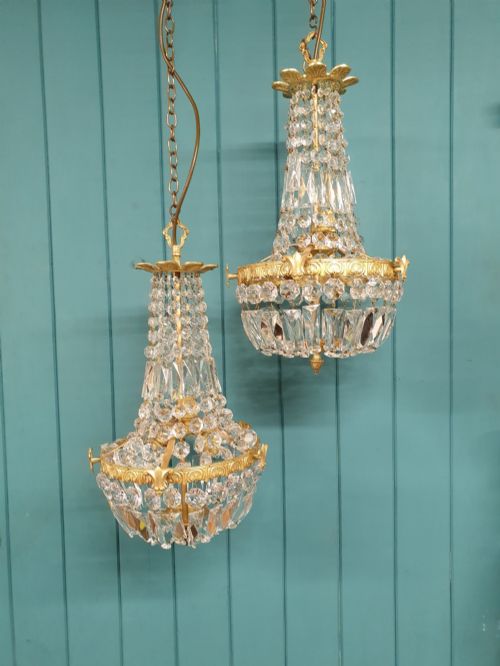
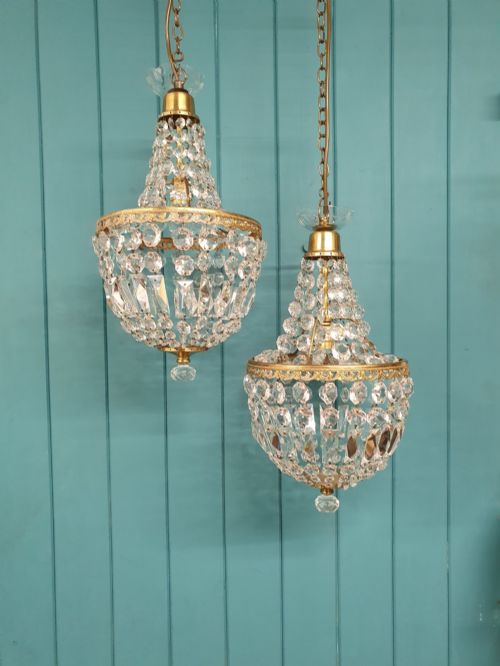
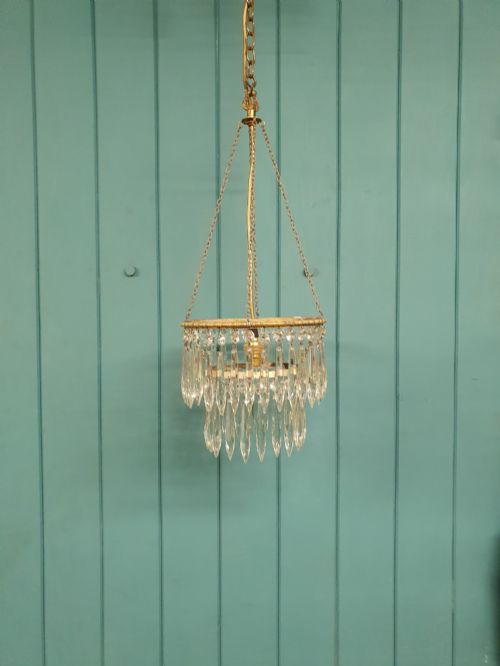
Individual glass drops, beads, and coffin prisms are wired or pinned directly to the metal frames, creating structured tent and bag silhouettes. The combination of reflective metal finishes and faceted crystal maximises the spread of light from modest internal bulbs.
Small Brass Pendant Retail Price Guide 2026
Typical asking prices for small brass pendant among the pieces listed under this phrase on Sellingantiques today, from the lower quarter to the upper quarter. They describe what is for sale here now, not the wider market.
The listings span the Edwardian period, the 1920s, and the 1930s, constructed predominantly from brass, gilt bronze, cut glass, and crystal.
Assessing quality and finish
The distinction between tiers rests upon the crispness of the brass casting and the depth of the metal gilding. Finer examples display detailed leaf work, robust structural mounts, and substantial weight in the primary frame.
Glass quality creates another clear division, marked by the clarity of the crystal and the precision of the facet cutting on prisms and drops. Superior pieces utilise heavy cut glass that refracts light sharply, whereas simpler iterations employ basic moulded glass components.
The Small Brass Pendant Glossary
- Bag chandelier
- A lighting fixture shaped like a tapered pouch or bag, formed of numerous glass beads strung closely together. This form hangs flat against the lower section of the frame.
- Coffin prism
- A long, flat-backed glass pendant with a pointed lower tip, shaped broadly like a coffin. These hang from the perimeter of chandeliers to catch and scatter light.
- Gilt bronze
- Metal alloy coated with a layer of gold, often termedormolu in historical French pieces. It provides a warm, durable metallic finish that resists tarnishing.
- Spike chandelier
- A compact hanging light featuring upward-pointing glass spikes arranged around a central metal crown. This Edwardian style concentrates visual interest centrally.
- Tent and bag
- A lighting configuration featuring an upper canopy of strung crystal beads sloping down into a lower bag shape. Brass mounts secure the glass elements in place.
Small Brass Pendant: Frequently Asked Questions
Where should I hang a small brass pendant?
These compact fixtures suit smaller spaces with restricted ceiling heights, such as hallways, small dining nooks, and cloakrooms. Their modest scale allows them to provide concentrated illumination without dominating the room.
Position them where the hanging drop can be appreciated at close quarters, ensuring adequate clearance underneath for foot traffic.
How do I clean the glass crystals?
Maintenance involves gentle cleaning of the glass prisms and the surrounding brass framework using a soft cloth and mild soapy water. Keeping the individual crystal drops free from dust preserves their light-refracting properties.
Avoid harsh chemical cleaners that might strip the gilt finish from the brass mounts or damage the metal wiring holding the glass.
What periods do these pendants date from?
The available lighting primarily spans the Edwardian era and the early twentieth century, with occasional pieces stretching back into the nineteenth century. Design influences often draw upon French Rococo, Empire, and Regency revival styles.
Date identification relies on examining the construction techniques of the brass frames and the specific cut of the glass prisms.
Are these lights suitable for modern wiring?
Historical light fittings generally require inspection by a qualified electrician to ensure safety and compatibility with current domestic electrical standards. Many fixtures can be adapted to take modern candelabra lamps or LED equivalents.
Retaining the original brass frames while updating internal lampholders preserves the historical character of the piece for contemporary use.