



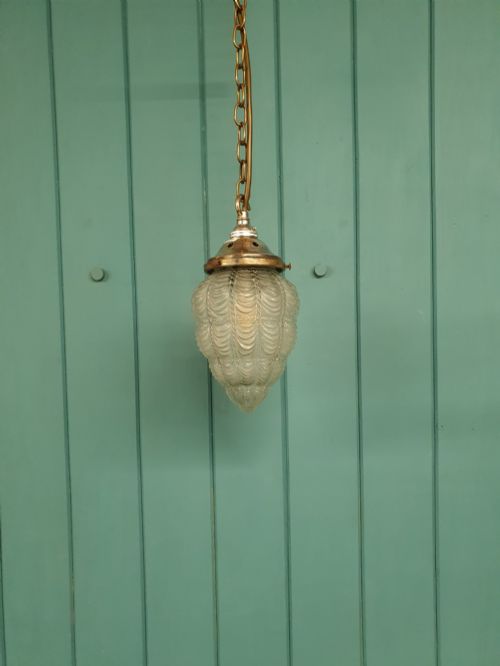

Small Brass Lamp
A small brass lamp brings focused illumination and warm metal tones to a desk or side table.
Small Brass Lamp
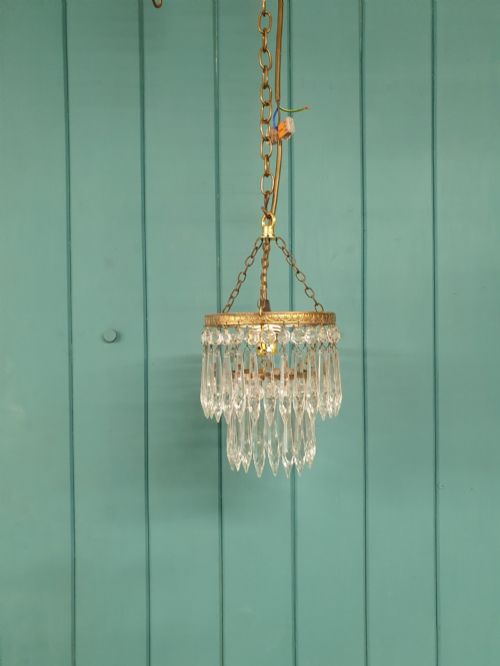
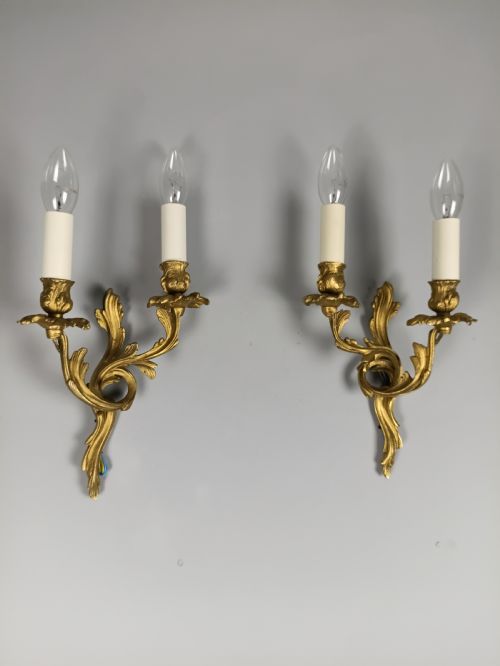
A small brass lamp is a compact lighting fixture constructed primarily from brass, often incorporating glass or crystal elements. When searching for a small brass lamp, buyers encounter pieces originating from periods such as the Victorian era, the Edwardian period, and the 1930s. These items range from table lamps featuring columns to hanging chandeliers and wall lights.
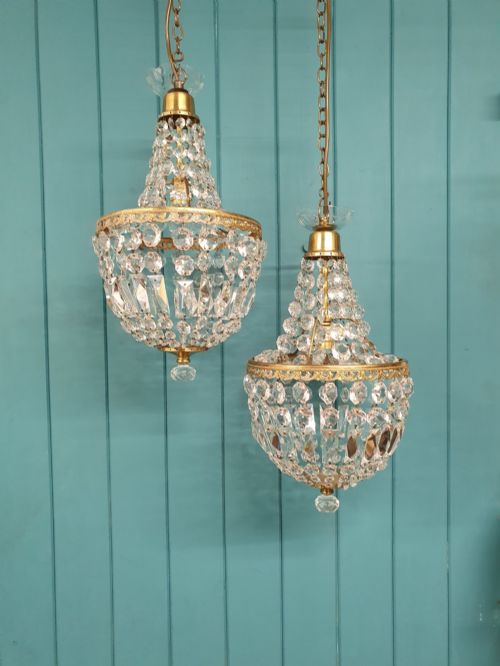
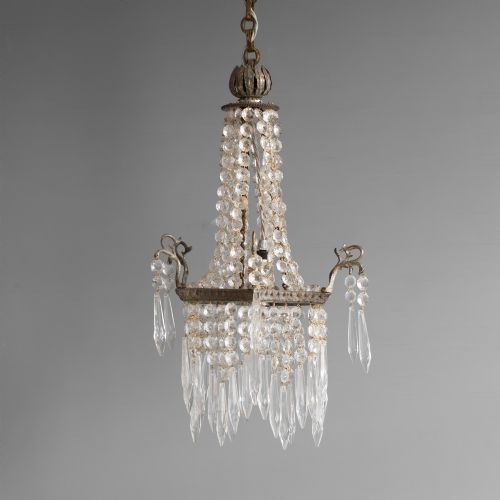
The selection on this page demonstrates that brass frequently pairs with other materials like mahogany, walnut, and cut glass. Forms vary from column table lamps with glass reservoirs to small chandeliers equipped with prisms and drops. These objects serve both practical illumination needs and decorative roles within domestic interiors.
Materials and construction methods
Makers utilised cast and spun brass to form the structural bodies, mountings, and galleries of these lamps and light fittings. This metalwork is frequently combined with transparent materials, including cut glass, crystal, and moulded glass pendants or shades, which diffuse the light.
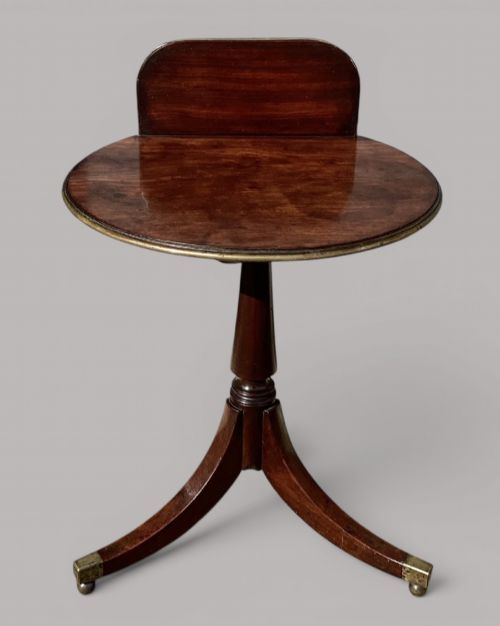
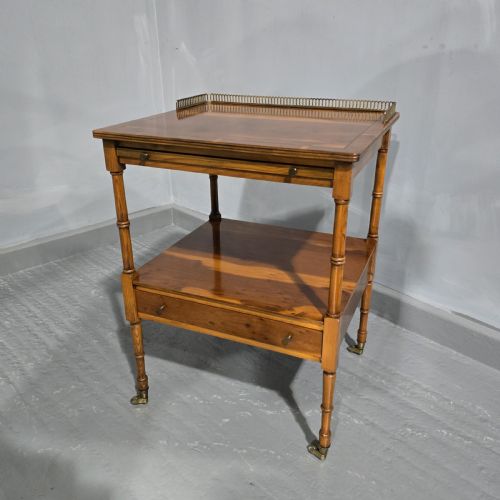
Wood elements such as mahogany, burr walnut, and burr oak appear alongside the metal components in pieces designed to sit on surfaces or incorporate tables. Metal parts are joined via threaded fittings, pins, or soldering, while glass drops are suspended on wire loops.
Small Brass Lamp Retail Price Guide 2026
Typical asking prices for small brass lamp among the pieces listed under this phrase on Sellingantiques today, from the lower quarter to the upper quarter. They describe what is for sale here now, not the wider market.
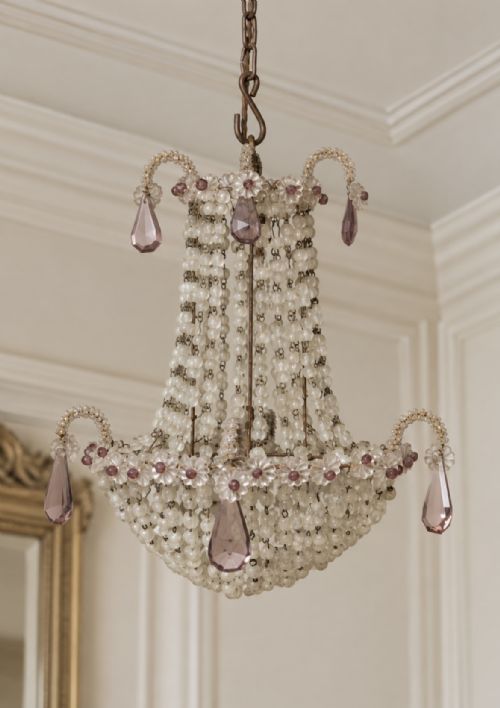
Some tiny chandeliers measure a mere six inches across, proving that grand illumination can arrive in pocket-sized packages.
Distinctions in quality
The standard of a small brass lamp depends upon the crispness of the metal casting and the precision of the turning work. Superior examples display sharply defined detailing on elements such as Corinthian capitals or decorative mounts, whereas lesser pieces show softer, more generalised contours.
Material selection also dictates the grade of the object, distinguishing solid brass formations with heavy cut glass reservoirs from simpler assemblies. The clarity and weight of associated crystal drops or glass shades further separate standard production items from finer workshop pieces.
A Hugnet Paris·W. Turner Lord & Co
The Small Brass Lamp Glossary
- Brass
- An alloy of copper and zinc known for its bright golden appearance. It forms the primary metallic structure for many period lighting fixtures and decorative mounts.
- Crystal
- A high-clarity form of glass often containing lead oxide. It is cut and faceted into prisms, beads, and drops to refract light on chandeliers and light fittings.
- Reservoir
- The container holding lamp oil or paraffin on older lighting designs. On combination pieces, it sits atop a column and supports the burner assembly.
- Gueridon
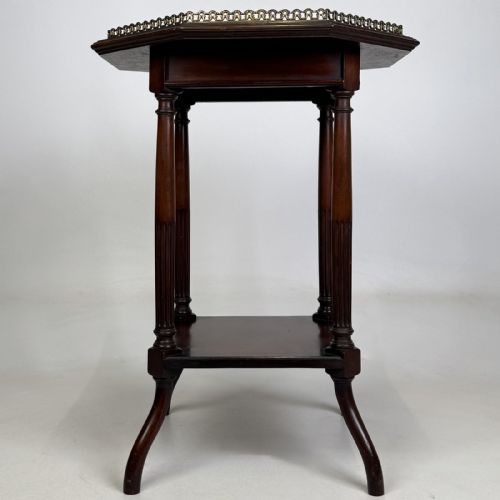
- A small, circular decorative table. These wooden pieces sometimes feature marble tops and brass galleries or mounts.
Small Brass Lamp: Frequently Asked Questions
What periods do these lamps come from?
The pieces span the Victorian era, the Edwardian period, and the early twentieth century up to the 1930s. Various items also reflect earlier Regency and Georgian design revivals.
Manufacturing dates align with stylistic shifts in domestic hardware and furniture production during these years.
How are brass and glass combined?
Brass forms the structural frame, columns, mounts, and hanging chains of the lighting fixtures. Cut glass and crystal integrate as reservoirs, decorative drops, beads, or prismatic shades.
Mechanical fixings like screws, pins, and wire links secure the glass components to the metal framework.
Where were these lamps placed?
Table lamps stood on desks, side tables, or occasional furniture within living spaces and hallways. Chandeliers and pendant lights hung from ceilings in principal rooms.
Wall lights and sconces mounted directly onto wall surfaces to provide ambient or task illumination.
How do I care for antique brass?
Dust the metal surfaces regularly with a soft, dry cloth to prevent the accumulation of dirt. Avoid abrasive cleaning compounds that can strip the historic finish or patination.
Glass elements can be cleaned gently with mild glass cleaner applied to a cloth rather than sprayed directly onto the fixture.