






Small Apothecary Cabinet
A small apothecary cabinet brings tactile history into a room, offering compact storage through numerous fitted drawers or glazed display doors.
Small Apothecary Cabinet
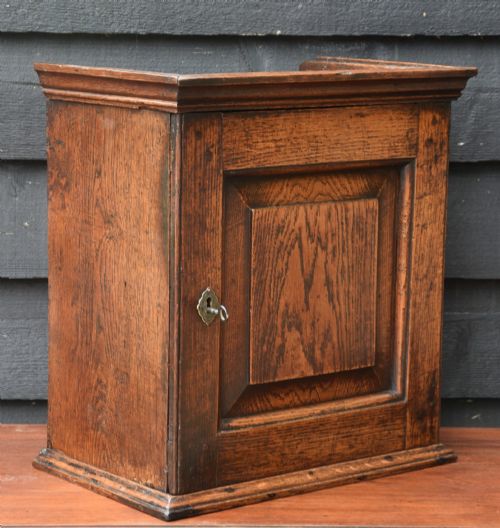
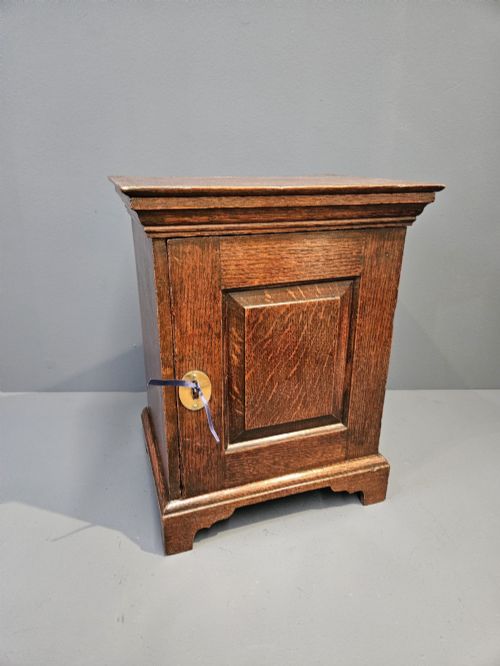
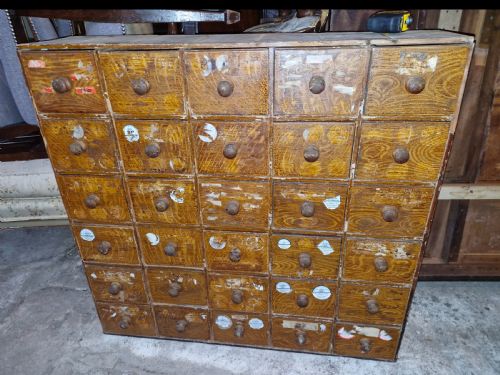
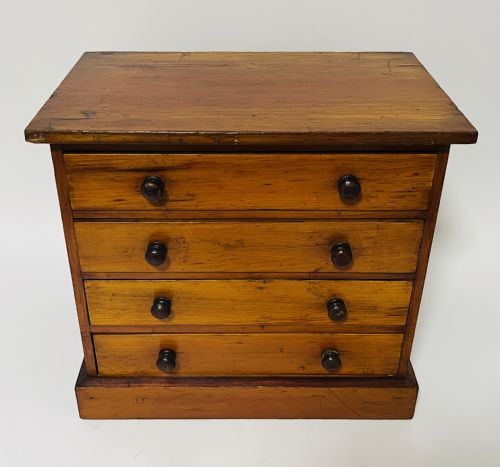
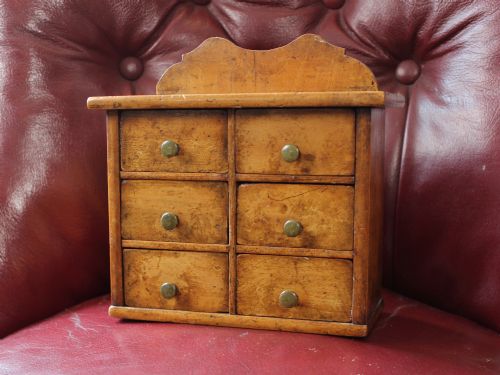
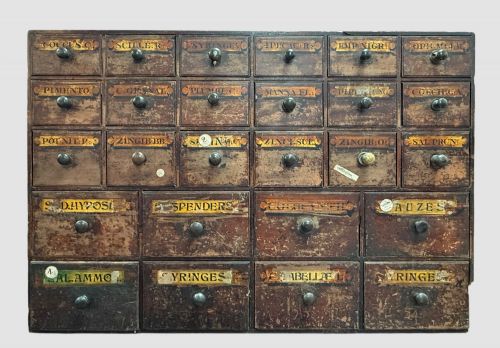
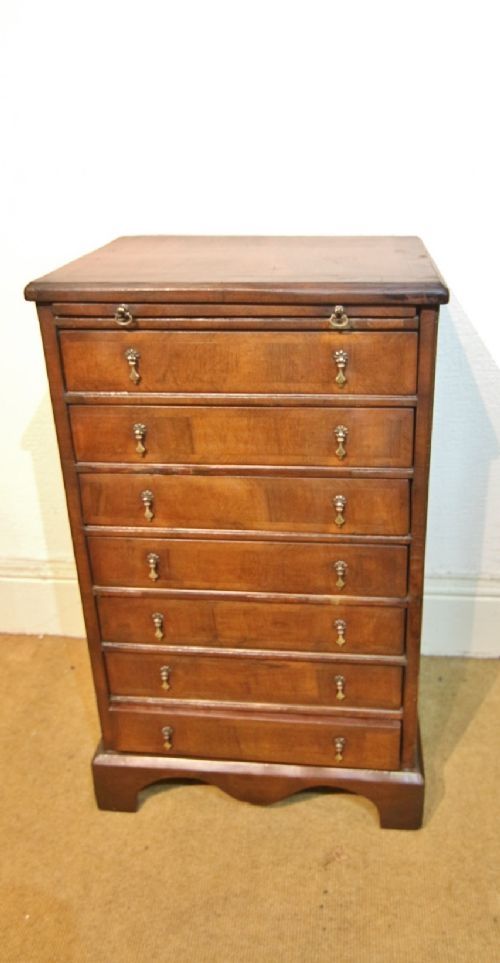
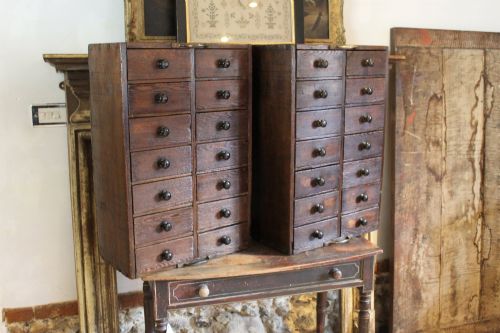
A small apothecary cabinet groups compact drawer banks and wall-hanging spice cupboards intended historically for medicines, herbs, or specimens. The pieces span Georgian, Victorian, and early twentieth-century eras, originating from English, Italian, and Chinese workshops.
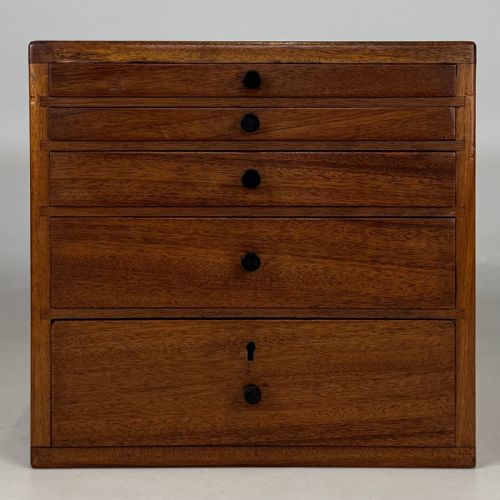
Buyers encounter table-top chests, banks of drawers, and wall cabinets executed in sturdy woods. These domestic and commercial pieces reflect utilitarian origins adapted today for desktop organisation or decorative display.
Materials and Construction Methods
Cabinet makers utilised solid timbers including oak, mahogany, pine, and fruitwood to build sturdy carcases and small drawer banks. Iron and brass hardware such as campaign handles, hinges, and escutcheons reinforced heavy daily use in pharmacies and shops.
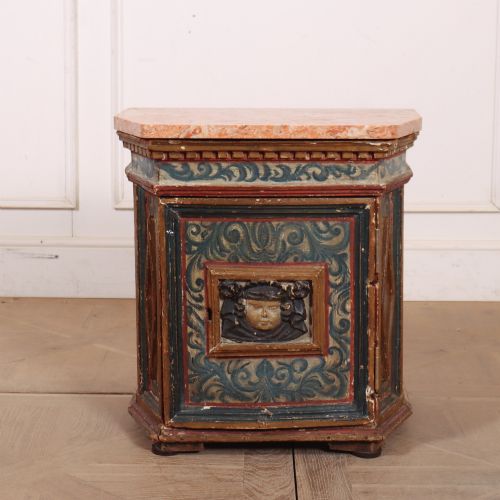
Surfaces received painted decoration, natural wax finishes, or glass fronts to protect contents while allowing visibility. Joinery relied on traditional dovetailed drawer construction to withstand the weight of dense contents over centuries.
Small Apothecary Cabinet Retail Price Guide 2026
Typical asking prices for small apothecary cabinet among the pieces listed under this phrase on Sellingantiques today, from the lower quarter to the upper quarter. They describe what is for sale here now, not the wider market.
Factors Defining Quality
The sophistication of internal timber work and retention of original hardware distinguish finer examples from plain utilitarian boxes. Original glass panes, functioning locks with keys, and untouched surface patination elevate the standing of a piece.
Structural integrity depends upon seasoned timbers resisting warping across multiple small drawers. The precision of the drawer fit within a bank indicates the original workshop standard.
The Small Apothecary Cabinet Glossary
- Spice cupboard
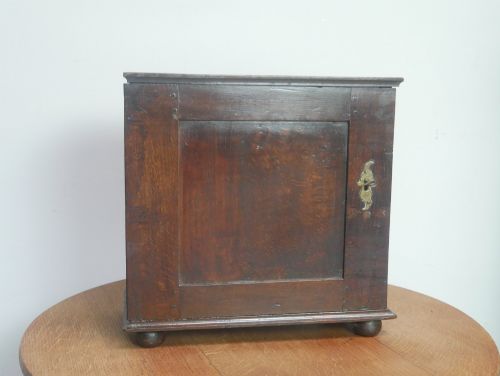
- A small wall-hanging or table-top wooden cabinet featuring multiple small drawers or a panelled door, traditionally used for culinary spices or apothecary ingredients. These pieces date frequently to the Georgian and eighteenth-century periods.
- Collectors chest
- A specialised multi-drawer cabinet designed to house natural history specimens, coins, or small collectables. They often incorporate glass doors or fine internal partitions.
- Bank of drawers
- An arrangement of numerous small drawers stacked vertically or horizontally, commonly salvaged from nineteenth-century chemists, shops, or workshops. Their uniform rows provide distinct visual rhythm.
- Campaign handle
- A flush-fitting metal pull inset into the wood of a drawer front so it does not project beyond the surface. Originally utilised on portable medical and military chests for ease of transport.
- Escutcheon
- A protective metal plate surrounding a keyhole, frequently cast in brass on period cabinets. It prevents the surrounding timber from splitting under repeated use of the key.
Small Apothecary Cabinet: Frequently Asked Questions
What were small apothecary cabinets used for?
These cabinets stored dried herbs, medicinal compounds, and apothecary preparations in pharmacies, surgeries, and domestic households. Their numerous small compartments kept delicate or hazardous substances organised and secure.
Over time, many found alternative utility in trade shops or homes for sorting small items like seeds, watch parts, or sewing equipment.
How do I date a wooden spice cabinet?
Dating relies upon examining construction methods, timber choices, and hardware types used in the carcase and drawers. Georgian and eighteenth-century pieces commonly feature pegged oak framing and hand-cut dovetails.
Later Victorian and Edwardian examples often utilise machine-sawn pine, mahogany, or stained deal with simpler internal arrangements.
Where should I place a tabletop cabinet?
Tabletop cabinets suit hallways, desks, or sideboards where their multiple small drawers can provide practical everyday storage. Placing them away from direct heat sources protects the historic timber and maintains drawer alignment.
Wall-hanging versions require secure fixing to solid masonry or studwork to support the weight of timber and contents safely.
Are glass-fronted cabinets original?
Glazed doors on display cabinets and chemist pieces were frequently built into the original design to keep dust away from contents while allowing inspection. Checking the glass for age bubbles and the timber rebate for consistency helps confirm authenticity.
Some apothecary and spice cupboards originally had solid panelled doors that were later converted to glass for modern display purposes.