

Small Storage
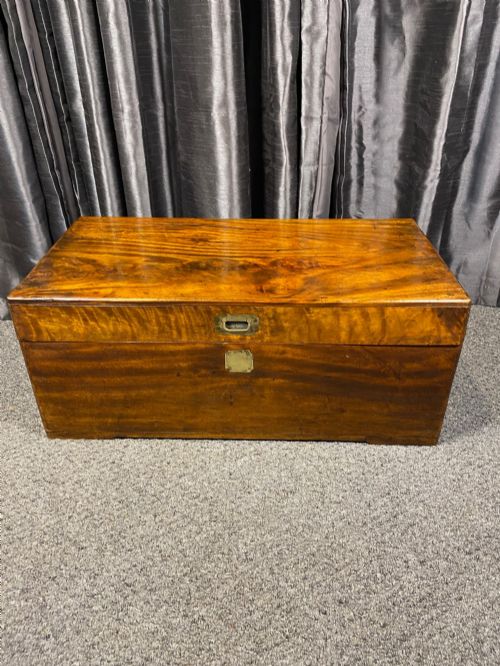
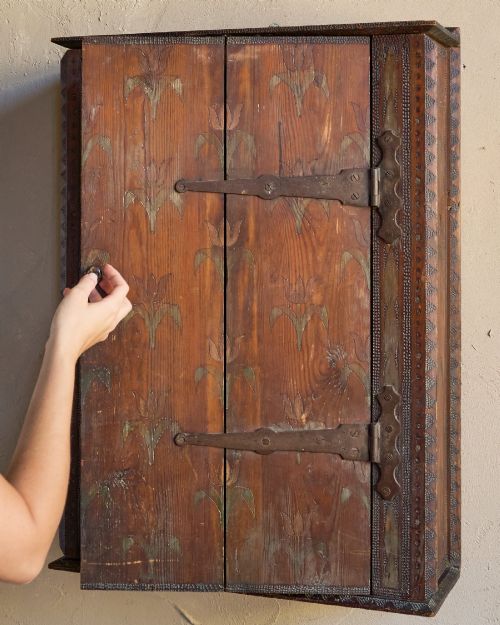
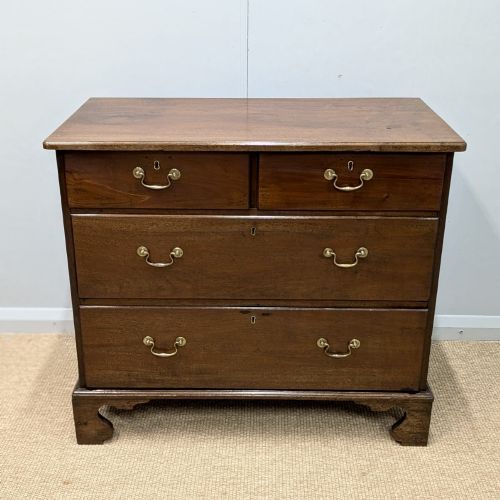
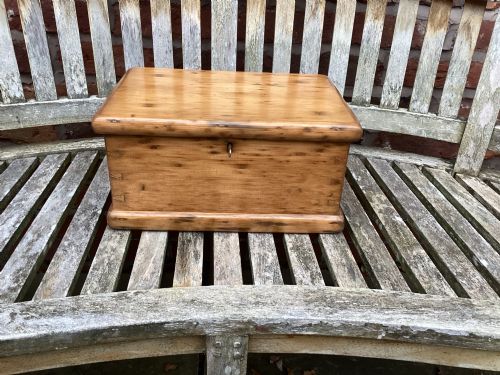
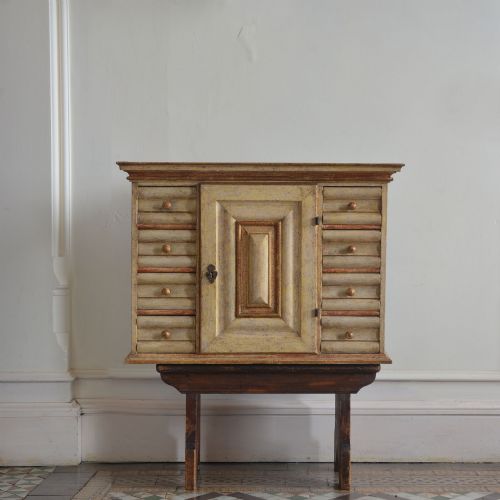
Small antique storage encompasses compact chests, cabinets, and coffers that hold personal belongings in modest footprints.
Small Storage
Small antique storage centres on compact chests of drawers, cabinets, and coffers designed to fit limited interior spaces. These items derive from periods spanning the 17th century through to the early 20th century, including Georgian, Victorian, and Edwardian eras.
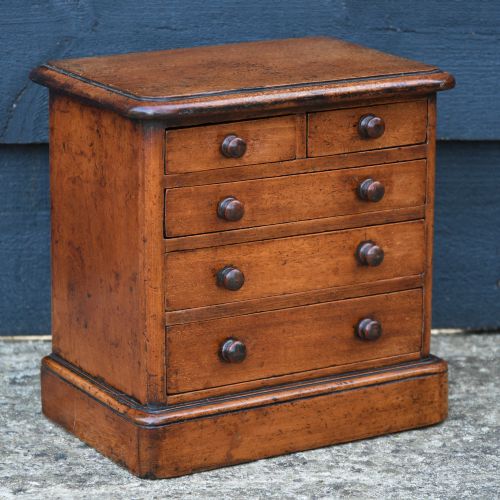
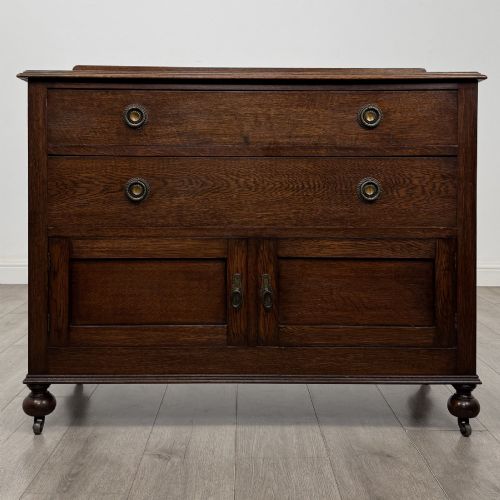
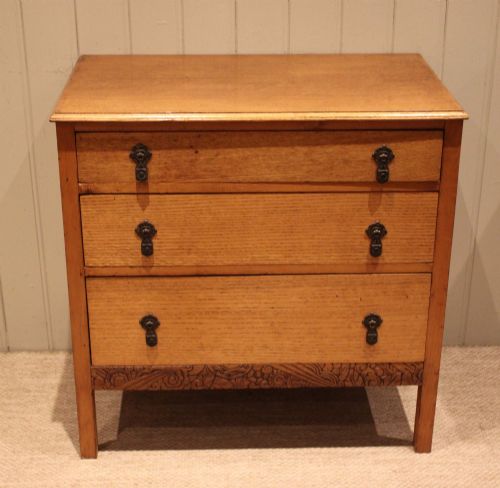
The chest of drawers remains the most common form encountered in small antique storage, appearing in mahogany, oak, and burr walnut. Such pieces include bow-front designs, bachelors chests, and tallboys suited for domestic storage.
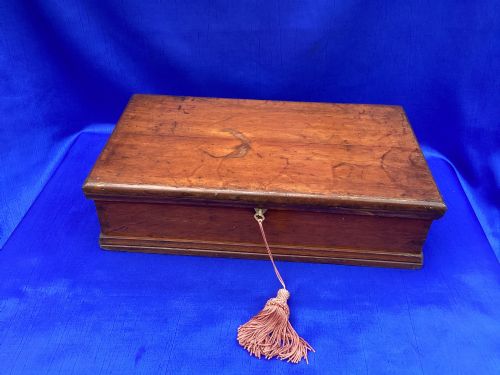
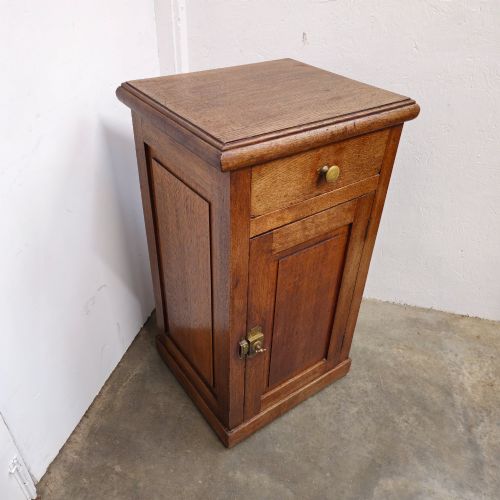
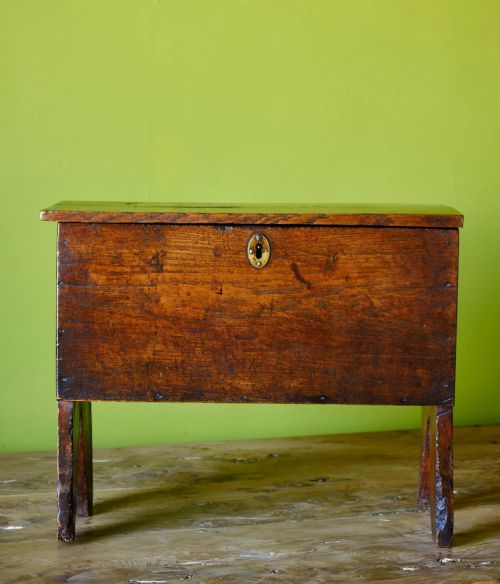
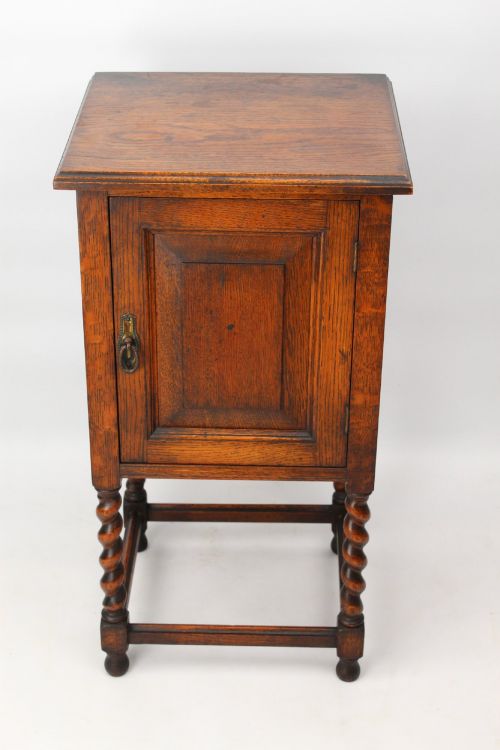
Beyond standard drawer units, the category includes specialised small storage such as dental cabinets, bedside cabinets, blanket boxes, and panelled coffer boxes. These pieces utilise oak, pine, and rosewood to fulfill specific household functions.
Materials and construction methods
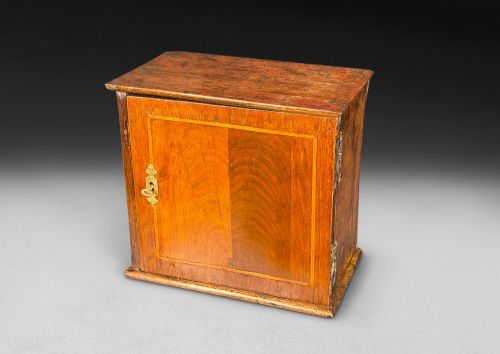
Cabinet makers utilised solid hardwoods such as mahogany, oak, and walnut, alongside softer timbers like pine, to construct durable frames and carcasses. Decorative veneers including burr walnut and satinwood provided patterned surfaces on drawer fronts and cabinet doors.
Construction techniques involved traditional joinery such as panelled framing for coffers and dovetailed joints for drawers. Secondary materials such as brass for handles and locks, glass for display doors, and milk glass for specialised linings supported the functional design of each piece.
Small Storage Retail Price Guide 2026
Typical asking prices for small storage among the pieces listed under this phrase on Sellingantiques today, from the lower quarter to the upper quarter. They describe what is for sale here now, not the wider market.
Early dental cabinets keep tiny milk glass shelves inside to store forgotten remedies.
Evaluating small antique storage
Quality in small antique storage rests upon the selection of timber figures and the precision of the construction. Pieces displaying finely matched burr walnut veneers or dense oak grain exhibit superior material choice compared to plainer examples.
Refinement in execution dictates the standing of a piece, observable in the crispness of carved details, the subtlety of inlay, and the integration of functional elements like secret drawers or raised galleries. Original surfaces and patination further separate higher grades of cabinet work from later alterations.
The Small Storage Glossary
- Bachelors chest
- A small folding-top chest of drawers designed for writing or dressing. These compact units typically date from the Georgian period and feature fitted top drawers.
- Coffer box
- A rigid wooden storage chest constructed with panelled sides and a hinged lid. Early examples from the 17th century utilise pegged oak framing.
- Tallboy
- A tall, narrow chest of drawers standing upright to maximise vertical storage space while minimising floor area. They frequently pair a chest base with upper drawer sections in burr walnut or mahogany.
- Bow front
- A convex curved cabinet or chest front that swells outward in the centre. This curved profile appears frequently on Georgian and later mahogany and burr walnut drawer units.
- Pier cabinet
- A narrow side cabinet designed to stand against the wall space between windows. Regency examples often incorporate spindle galleries and rosewood veneers.
Small Storage: Frequently Asked Questions
What periods do these storage pieces cover?
Small antique storage spans several centuries, originating from the 17th century through the Georgian, Victorian, and Edwardian eras up to the 20th century.
Craftsmanship and timber choices shift across these periods, moving from heavy panelled oak in earlier centuries to refined mahogany and burr walnut in later designs.
How do I identify a bachelors chest?
A bachelors chest functions as a compact storage unit featuring a fold-over top designed for writing or general utility.
These pieces typically date from the 18th century and offer small proportions combined with multiple functional drawers below.
Where should I place a small cabinet?
Compact cabinets and chests suit hallways, bedrooms, and corners where floor space remains restricted.
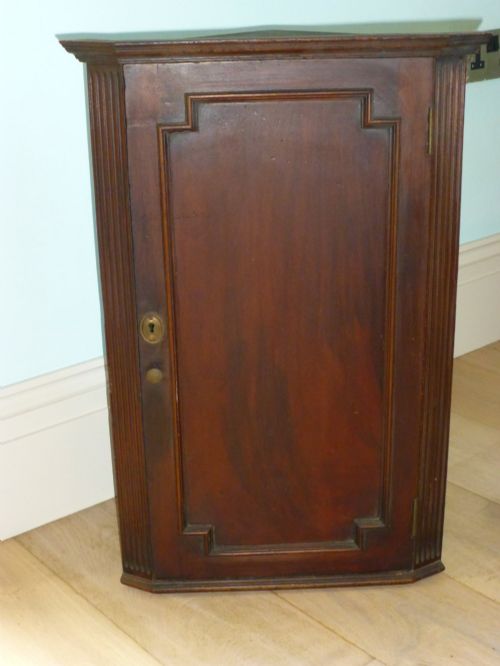
Items such as bedside cabinets, hanging corner cupboards, and narrow hall units provide practical storage without overwhelming smaller rooms.
What woods are used in these items?
Makers utilised a variety of native and imported timbers, predominantly oak, mahogany, walnut, and pine.
Decorative finishes often include burr walnut, satinwood veneers, and original paint, paired with brass hardware and glass elements.