
Small Furniture
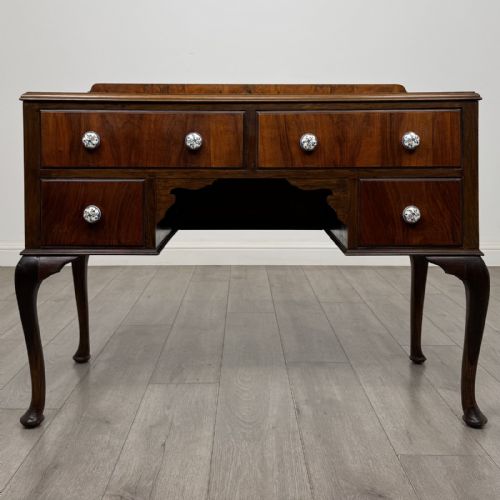
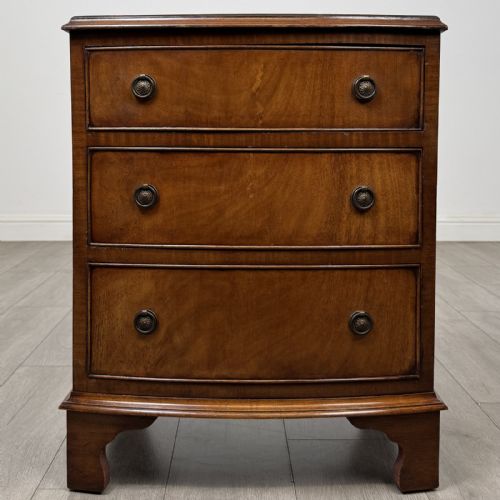
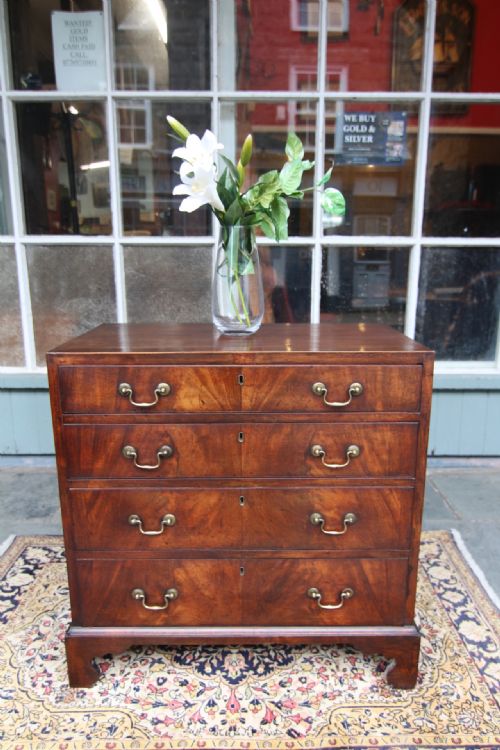
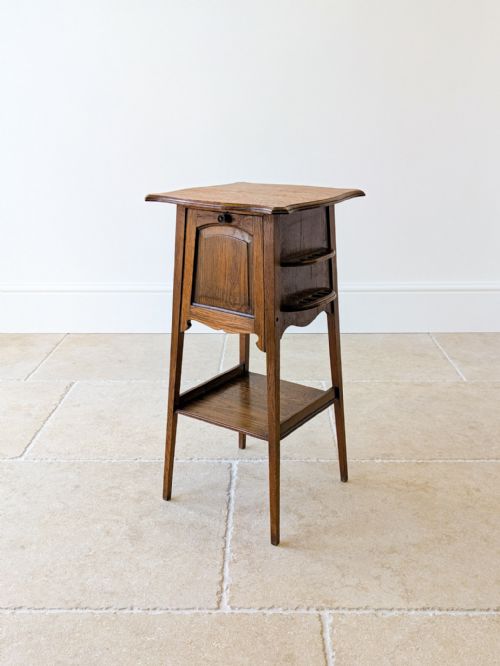
Small antique furniture comprises compact period pieces designed for domestic utility, offering genuine historical character and practical proportions for modern rooms.
Small Furniture
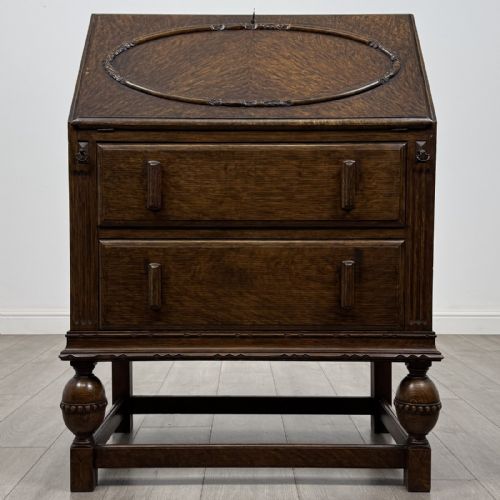
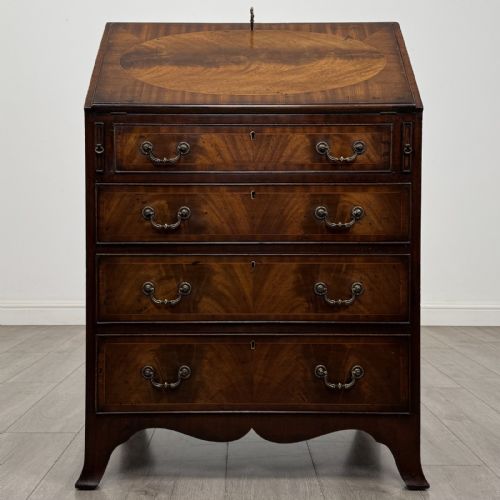
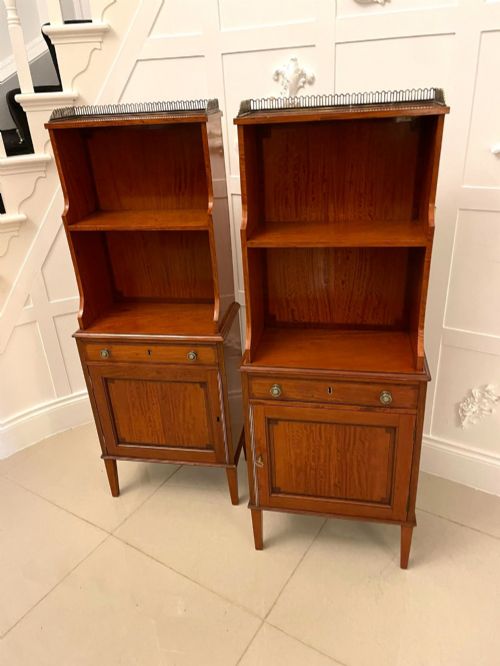
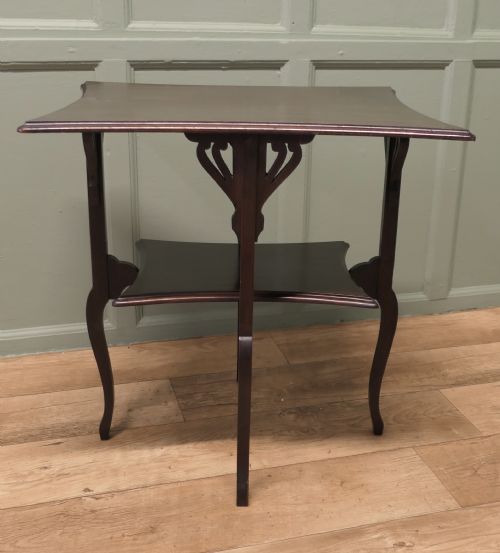
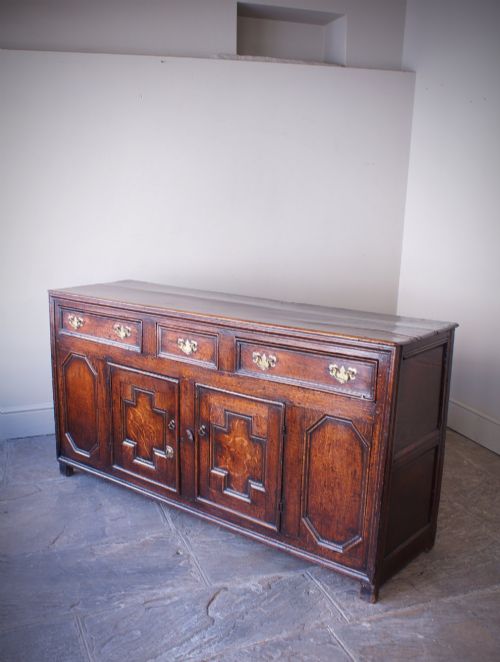
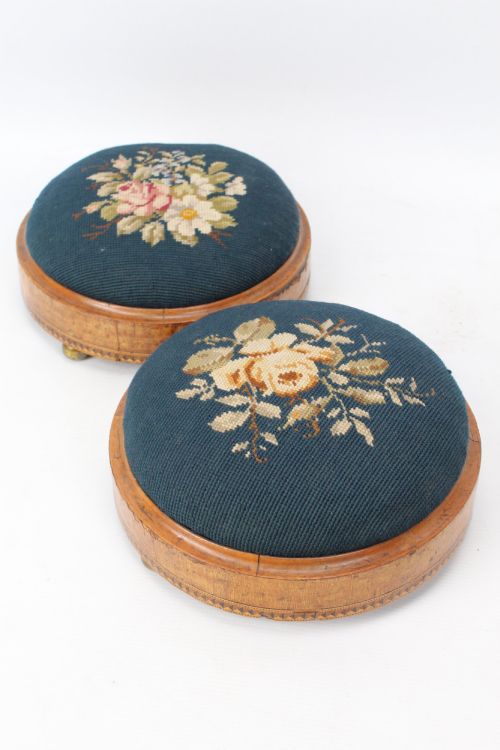
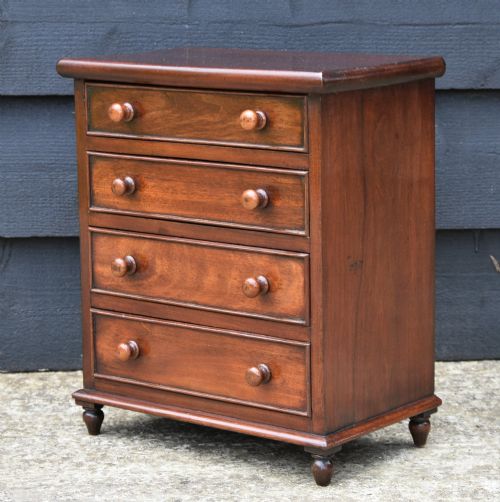
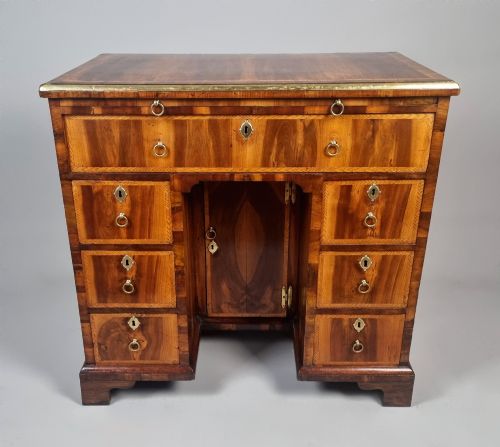
The selections span functional forms such as bureau desks, display cabinets, side tables, and diminutive chests often referred to as apprentice pieces. These items originate from periods ranging from the seventeenth century through to the early twentieth century.
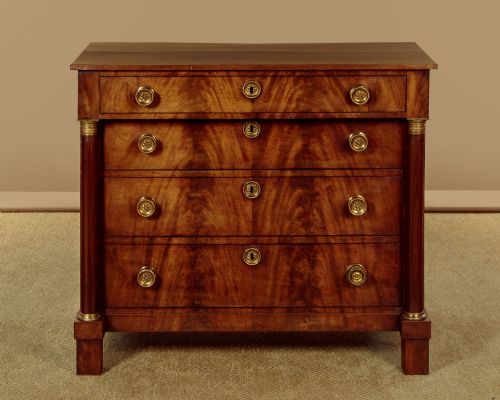
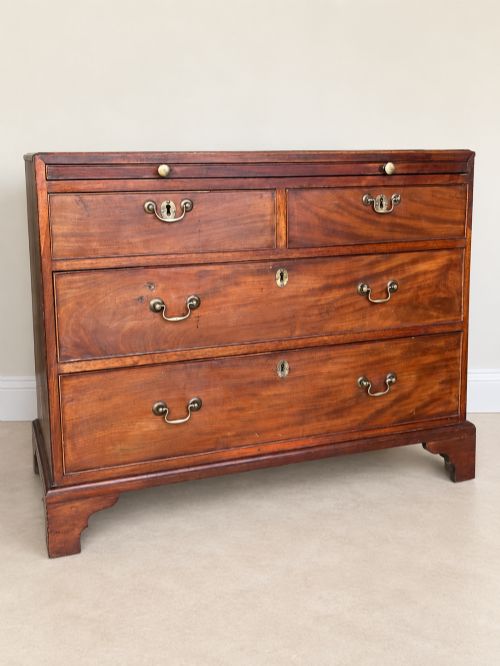
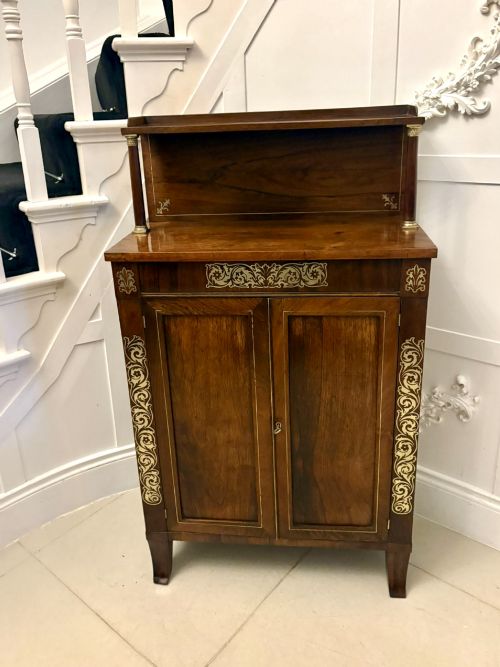
Mahogany and oak dominate the surviving forms, alongside walnut, satinwood, and rosewood iterations. Many pieces retain original fitted interiors, bracket feet, or drop-leaf mechanisms designed to maximise utility in smaller rooms.
Materials and construction
Cabinet makers utilised dense hardwoods such as mahogany, oak, and walnut to ensure structural longevity in compact items. Timber selection often dictated the decorative potential, with figured veneers and marquetry applied to visible surfaces.
Joinery techniques relied on traditional dovetail joints for drawer construction and pegged mortise and tenon frames for tables and cupboards. Metal elements such as brass handles, hinges, and occasional pillar supports provided functional accents.
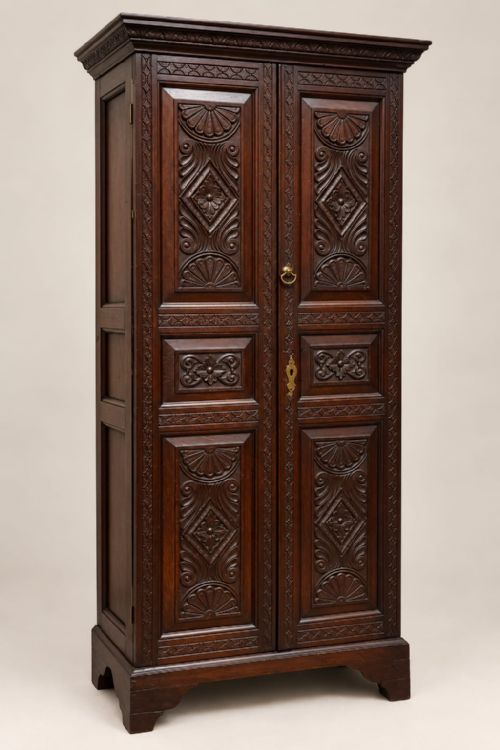
Surface finishes involved polishing or waxing to protect the wood grain while highlighting natural tones. Details such as carved linenfold panels, bobbin-turned legs, and bracket feet required specialist hand tools and precise shaping.
Listings feature items spanning the 17th century, Georgian, Victorian, and Edwardian eras, constructed primarily from mahogany, oak, walnut, and satinwood.
Determining quality
Quality rests upon the integrity of the timber selection and the precision of the underlying joinery. Uniform grain matching and tight, flush drawer joints distinguish finer workshop output from more utilitarian production.
Originality of hardware and surface patination heavily influence standing. Pieces retaining period brass fittings and untouched polished surfaces demonstrate superior preservation compared to those with extensive later alterations.
Gillows
The Small Furniture Glossary
- Brushing slide
- A pull-out shelf fitted above drawers in chests and desks, historically used for writing or grooming without opening the main drawer. It slides smoothly on runners within the cabinet frame.
- Apprentice piece
- A small-scale item created by a trainee cabinet maker to demonstrate skill and secure master status. These items replicate full-size furniture with exact proportional accuracy.
- Davenport desk
- A compact Victorian writing desk featuring a sloped leather-lined top above a bank of side drawers. The writing surface often lifts to reveal a fitted interior for stationery.
- Bachelors chest
- A small folding-top or drawer-fitted chest originating in the early eighteenth century. It provided convenient personal storage and a compact writing surface for gentlemen.
- Linenfold
- A style of wood carving depicting folded parchment or linen, commonly seen on Tudor and revival oak panels. The design creates a textured relief across cabinet doors.
Small Furniture: Frequently Asked Questions
What counts as small antique furniture?
Small antique furniture includes compact chests of drawers, occasional tables, desks, and cupboards designed for restricted spaces or specific utilitarian tasks.
These items date from the seventeenth century to the early twentieth century and maintain full functional integrity despite their reduced scale.
How were apprentice pieces used?
Apprentice pieces served as test projects where young craftsmen demonstrated mastery of dovetailing, turning, and joinery techniques to guild inspectors.
Collectors prize these items for their meticulous detail and accurate miniaturisation of standard domestic furniture forms.
Where did people place small tables?
Occasional tables and lamp tables stood beside seating or against walls in parlours and drawing rooms for holding books, lighting, or decorative objects.
Drop-leaf designs allowed owners to expand surface area when needed and fold the leaves down to save floor space.
How do I date a mahogany chest?
Dating relies on observing construction methods, such as hand-cut dovetails on drawer sides, timber thickness, and foot styles like bracket or ogee feet.
Earlier eighteenth-century examples display different secondary woods and drawer linings compared to later Victorian or Edwardian reproductions.