

Slatted Wood Stand
When you want a slatted wood stand, you are looking for practical utility in traditional furniture like luggage stands and revolving bookcases.
Slatted Wood Stand
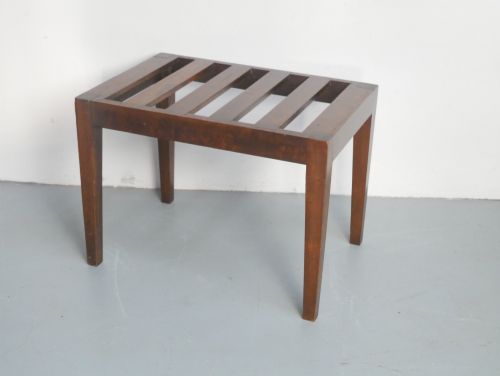
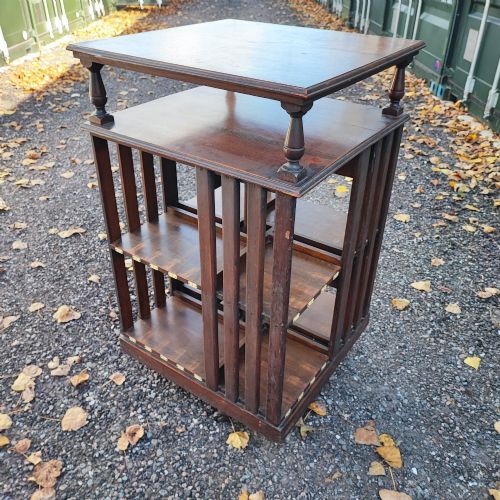
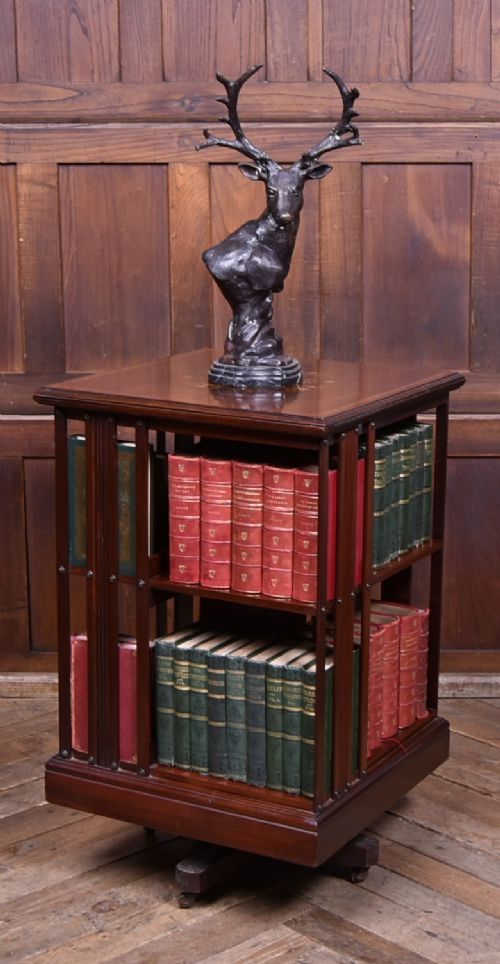
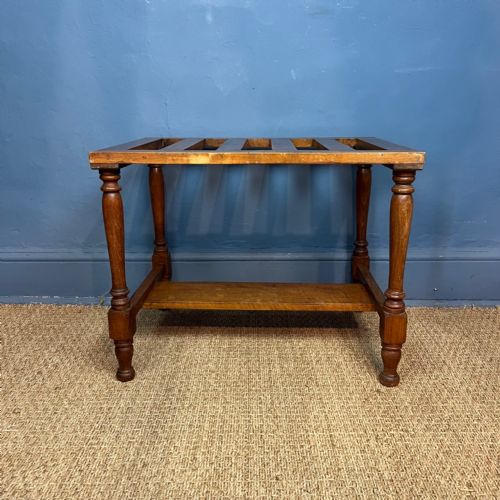
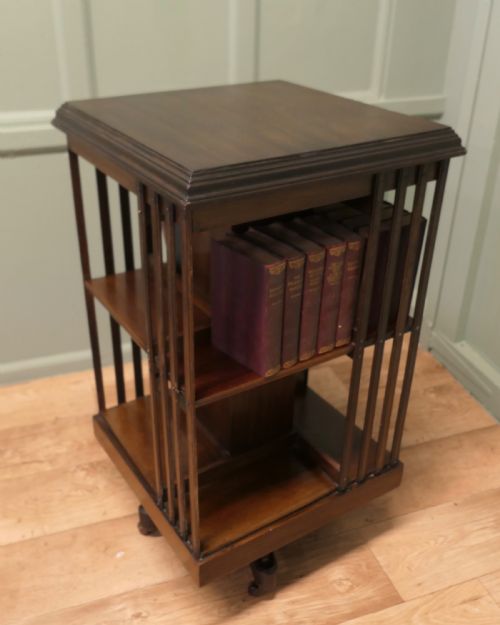
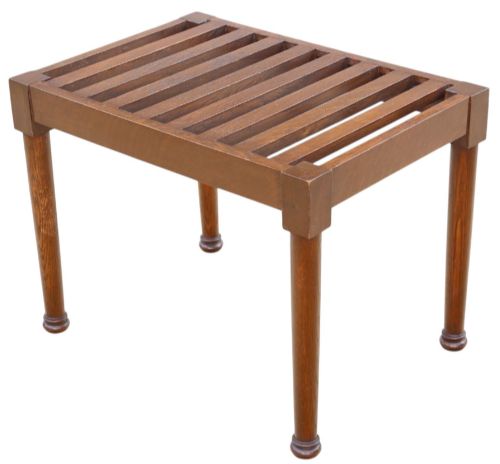
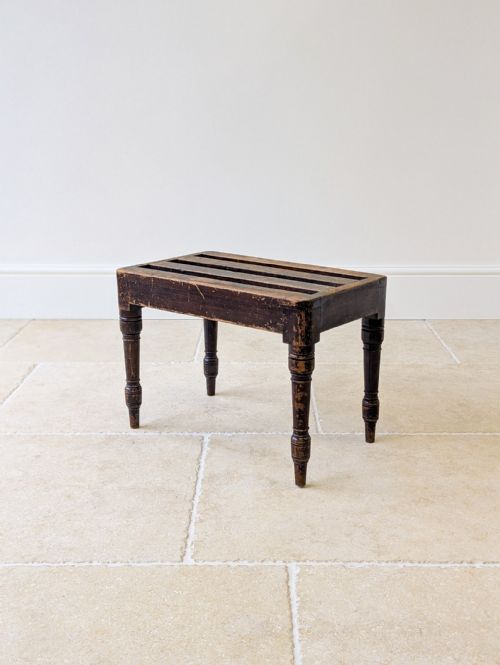
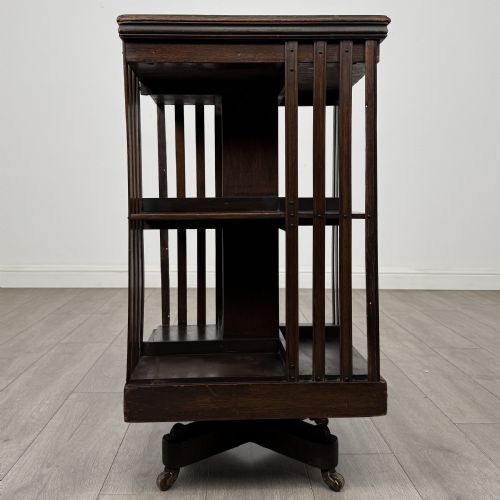
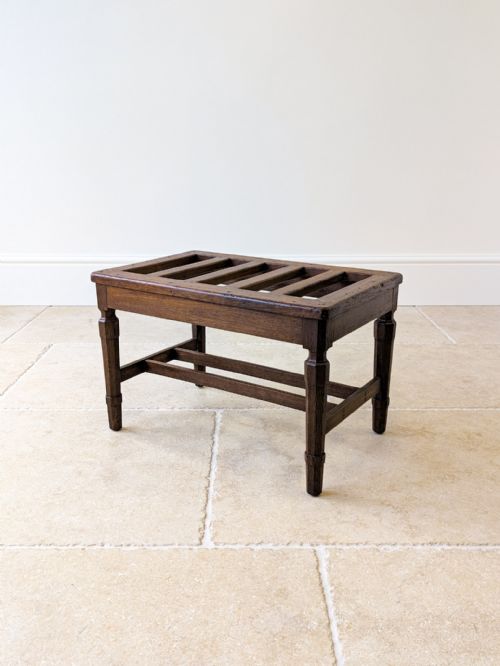
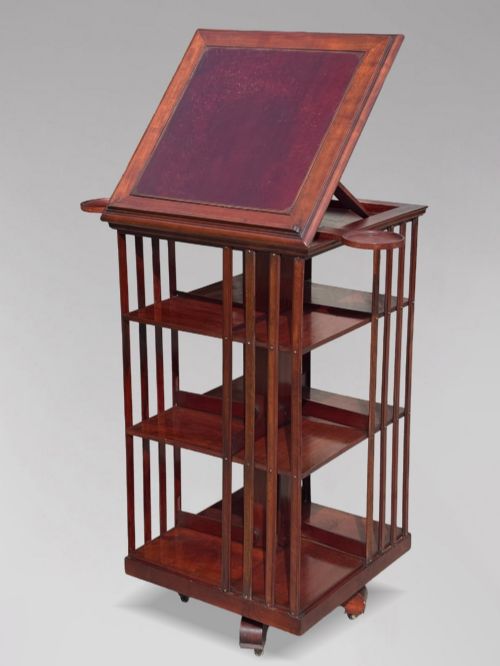
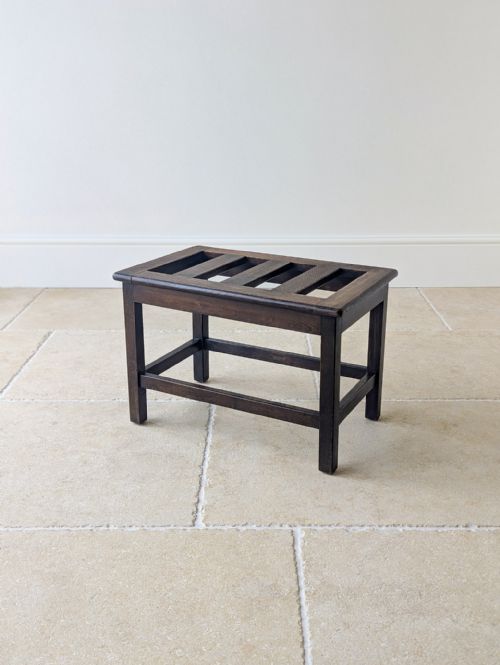
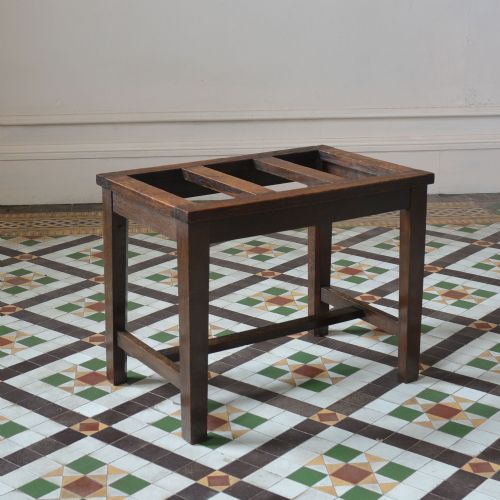
A slatted wood stand primarily takes the form of a luggage stand, luggage rack, or revolving bookcase. These utility pieces appear in periods ranging from the Georgian era through the Victorian and Edwardian decades to the early twentieth century.
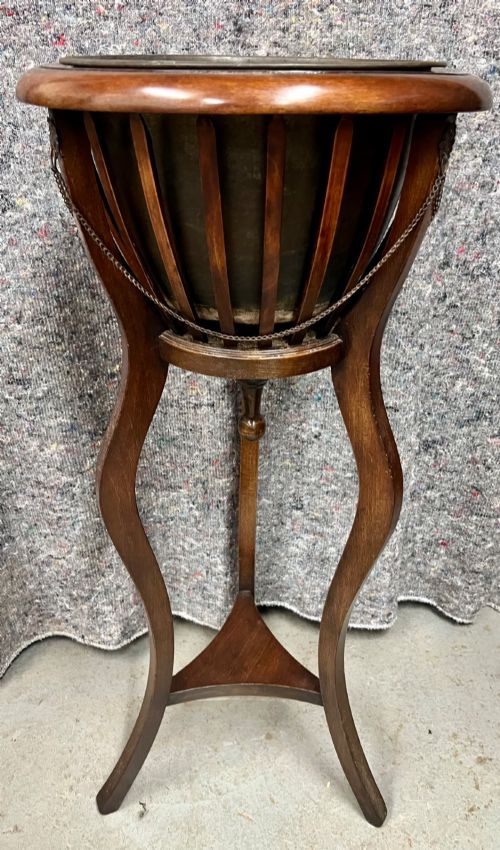
Makers constructed these stands from timbers such as mahogany, oak, beech, ash, yew wood, teak, and walnut. They serve functional purposes in bedrooms, libraries, and living spaces, holding books, luggage, or plants.
What varies in quality
The choice of primary timber and secondary wood influences the substance of each stand, with dense hardwoods like mahogany and oak offering greater longevity. Finer examples display precise joinery in the slatted surfaces and well-turned legs.
Hardware integration, such as original brass mounts or maker stamps, distinguishes standard utility items from superior workshops. The retention of original patination on the timber surface dictates the visual integrity of the piece.
Slatted Wood Stand Retail Price Guide 2026
Typical asking prices for slatted wood stand among the pieces listed under this phrase on Sellingantiques today, from the lower quarter to the upper quarter. They describe what is for sale here now, not the wider market.
Listings feature items from the Georgian, Victorian, Edwardian, and Regency periods, constructed in mahogany, oak, teak, walnut, and yew wood.
Brown & Lamont·Heals
The Slatted Wood Stand Glossary
- Luggage stand
- A low folding or fixed frame with slatted wooden top bars designed to hold travel bags in a bedroom.
- Canterbury
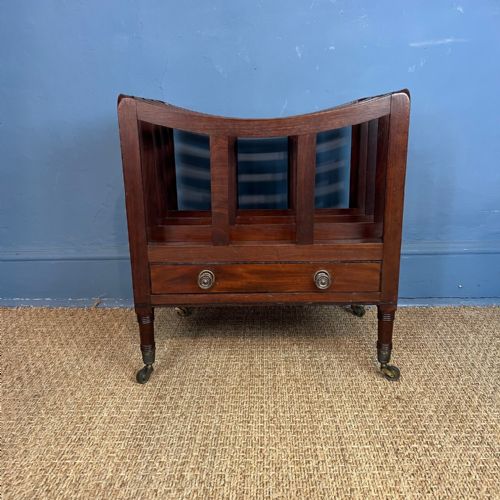
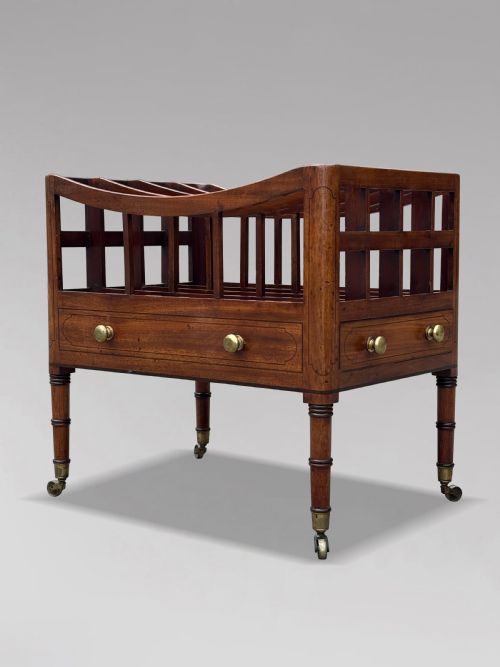
- A low multi-partitioned stand used originally for sheet music or magazines, featuring slatted or railed dividers.
- Revolving bookcase
- A freestanding tiered bookcase built on a rotating pivot, frequently featuring slatted sides.
- Slatted
- Composed of narrow strips of wood spaced at intervals to create an open, structured surface.
- Jardiniere
- An ornamental stand or container designed to hold plants and flowers.
Slatted Wood Stand: Frequently Asked Questions
What is a slatted wood stand used for?
These stands function primarily as luggage racks, bookcases, and canterburys in traditional interiors. Their slatted design provides stable support for books, bags, and household items.
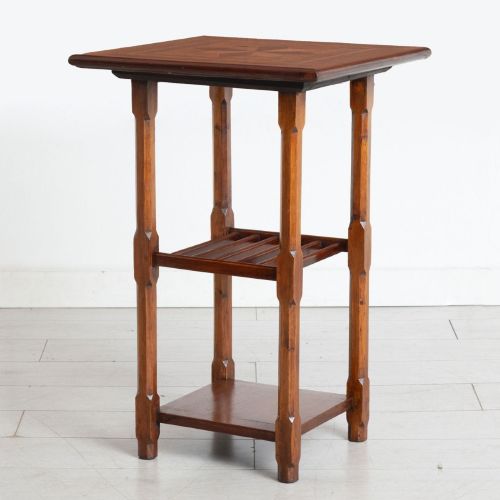
Over time, owners have repurposed these pieces as side tables and plant stands within living areas and bedrooms.
How do I date an antique luggage stand?
Dating relies on timber selection, structural joinery, and the presence of period-specific design traits. Victorian and Edwardian examples often employ oak, beech, or mahogany with simple folding or fixed frames.
Examining the fixings, such as early brass screws or iron hinges, helps narrow down the decade of manufacture.
What woods are common in these stands?
Mahogany and oak appear most frequently across the surviving pieces from the Georgian, Victorian, and Edwardian eras. Cabinetmakers also utilised walnut, teak, ash, beech, and yew wood for specific forms.
Secondary woods inside drawers or underneath frames often indicate the regional origin of the workshop.
How do I care for a wooden stand?
Maintain the timber by keeping the stand away from direct heat sources and sudden humidity changes. Regular dusting with a dry cloth preserves the polished surface.
Avoid excessive moisture on the slatted sections, particularly on items with historical polish or leather components.