



Slatted Iron Garden Bench
A slatted iron garden bench brings enduring utility and robust character to a terrace or lawn, combining metal framework with timber slats.
Slatted Iron Garden Bench
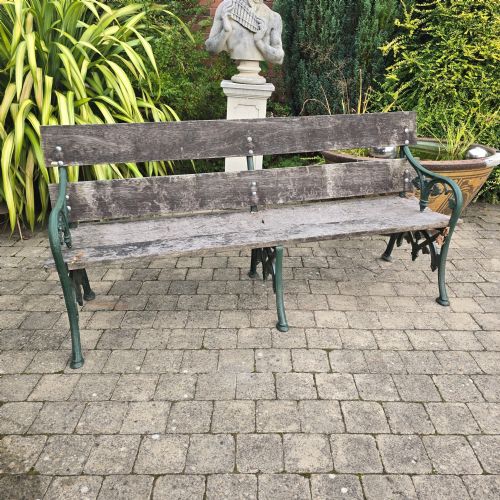
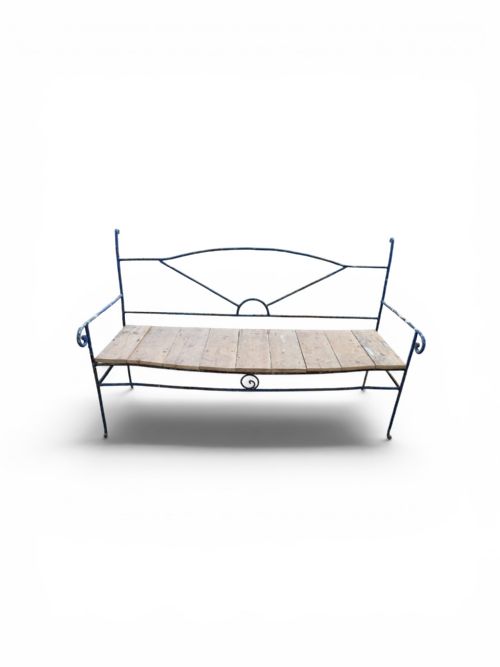
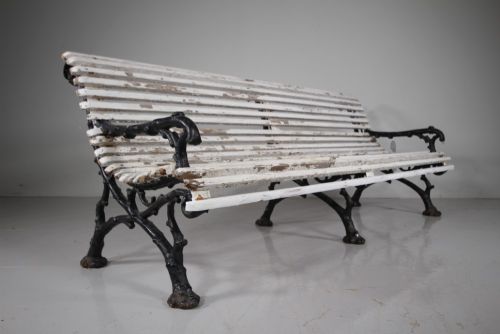
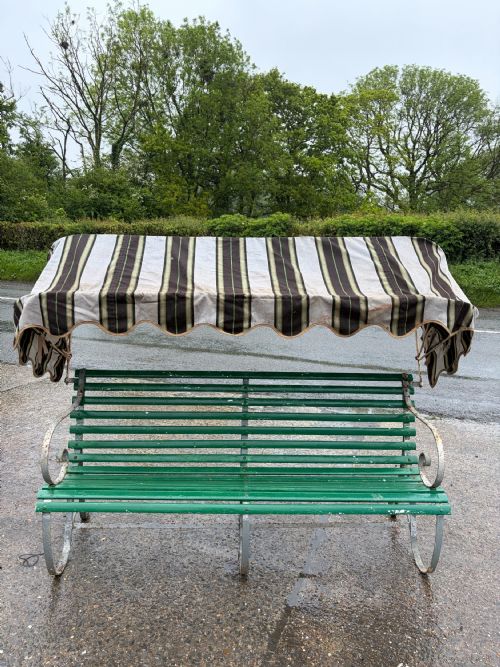
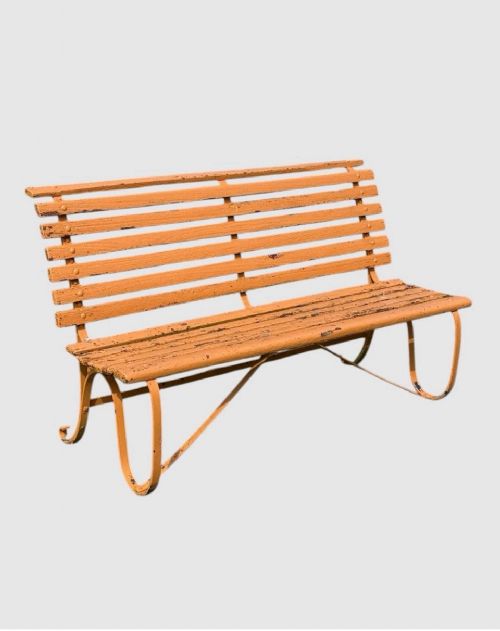
A slatted iron garden bench provides outdoor seating through a combination of heavy metal ends or frames and wooden slats. The form serves terraces, parks, and gardens with functional resilience.
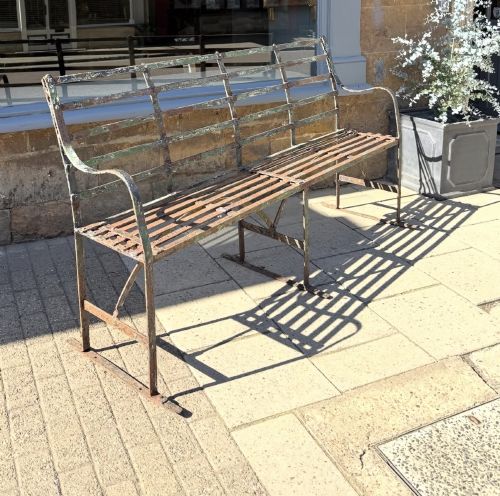
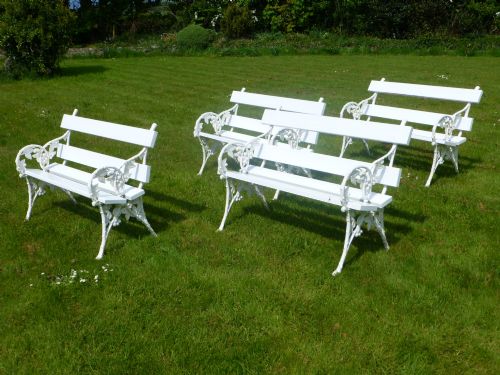
Victorian examples dominate the listings, frequently featuring ornate cast iron framework paired with timber. Simpler Edwardian and interwar variants also appear alongside Regency strapwork designs.
How they were made
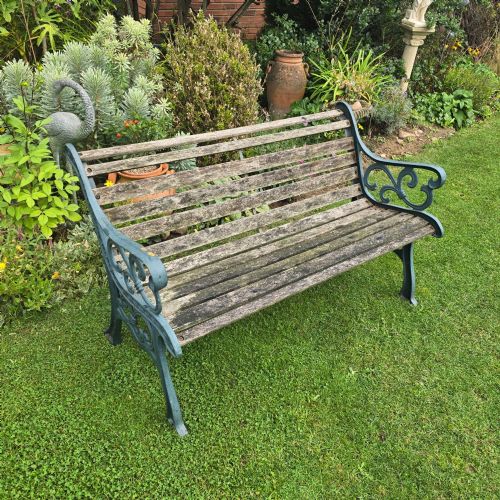
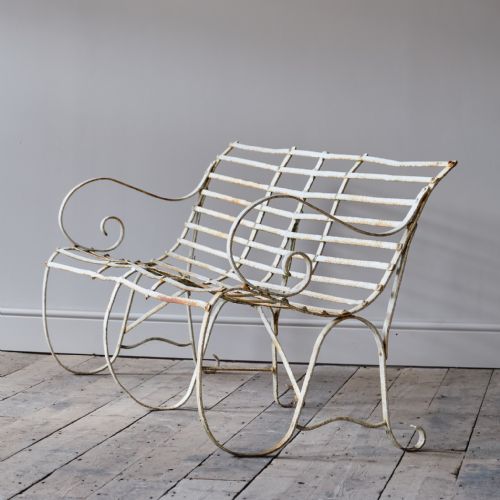
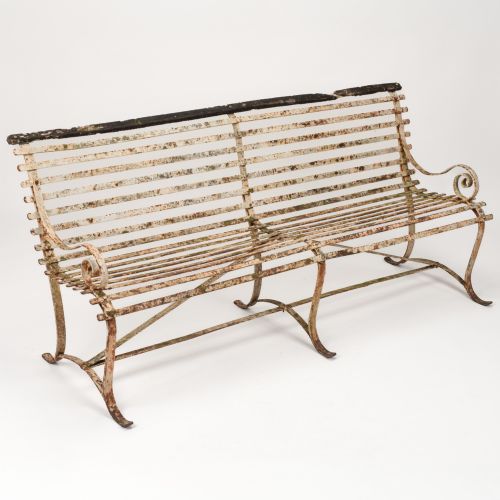
Makers utilised cast iron for structural ends and decorative motifs, pouring molten metal into sand moulds to create intricate patterns such as foliage or scrollwork. Wrought iron served alternative constructions requiring forged strapwork and scrolled bars.
Timber slats, often teak or general wood, were bolted horizontally across the iron framework to form the seat and backrest. Protective coats of paint were traditionally applied to preserve the metal and wood against weathering.
Slatted Iron Garden Bench Retail Price Guide 2026
Typical asking prices for slatted iron garden bench among the pieces listed under this phrase on Sellingantiques today, from the lower quarter to the upper quarter. They describe what is for sale here now, not the wider market.
A few benches travelled far from standard lawns, originating from spaces like the Calcutta Polo Club before arriving on the market.
What varies in quality
The refinement of the cast iron ornamentation dictates the distinction of a piece, ranging from basic structural frames to elaborate foundry castings featuring lion masks or botanical motifs. Crisper detail in the moulding indicates superior craftsmanship.
The integrity of the construction and the retention of original surface paint influence the character of the bench. Pieces maintaining their early layers of paint exhibit a truer historical record than those repeatedly stripped or recoated.
Falkirk foundry·Coalbrookdale
The Slatted Iron Garden Bench Glossary
- Cast iron
- Iron that has been poured into a mould in a molten state. This process permits complex decorative details like foliage and animal masks.
- Wrought iron
- Iron that is beaten or bent into shape while hot. This material provides flexible strength for strapwork and scroll designs.
- Strapwork
- Flat bands of metal arranged in geometric or interlaced patterns. This technique is typical of Regency and Victorian bench frames.
- Canopy
- An overhead architectural extension attached to a seat. This feature offered shade or shelter in garden environments.
Slatted Iron Garden Bench: Frequently Asked Questions
How are these benches constructed?
These seats combine heavy iron frames with horizontal wooden slats bolted across the structure for sitting.
The metal components provide the main support, while timber forms the comfortable seating surface.
Where were these benches used?
Such seating was placed in parks, private gardens, patios, and club grounds for outdoor recreation.
They stood permanently outdoors, enduring the elements through robust metal and treated wood.
How do I care for the paint?
Original painted surfaces should be preserved carefully without harsh chemical stripping where possible.
Maintaining the exterior coating protects the underlying iron and wood from moisture damage.
What styles are most common?
Victorian decorative patterns and Regency strapwork dominate the historical examples available.
Simpler Edwardian and interwar designs also appear regularly among the listings.