




Slat Back Hall Seat
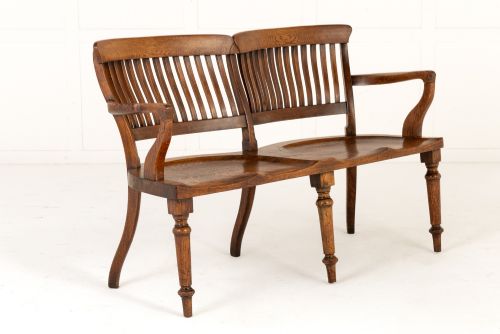
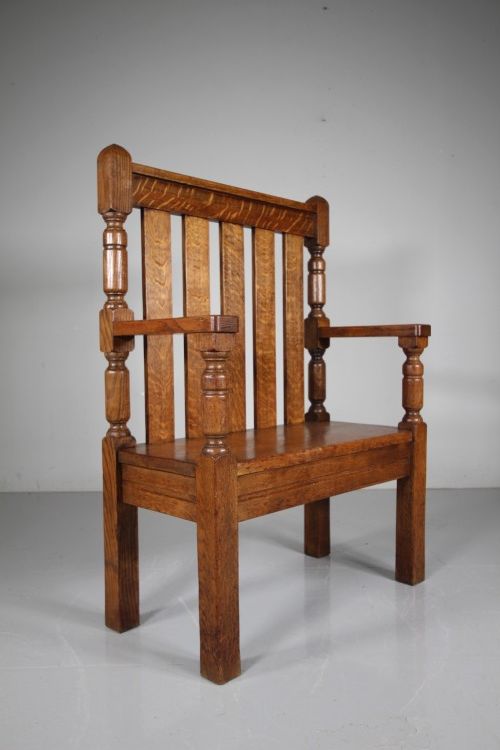
A slat back hall seat brings immediate architectural presence and honest utility to an entryway, drawing the eye with linear timber construction.
Slat Back Hall Seat
When you search for a slat back hall seat, you encounter robust timber furnishings designed for heavy use in entranceways and corridors. The pieces on this page span several centuries and styles, ranging from Georgian primitive scumble pine settles to 19th-century oak orangery benches and Edwardian Arts and Crafts examples.
The most common forms you meet are high-backed side chairs, settle benches, and hall benches built from solid timbers. Makers shaped these items for practical seating by doors, often incorporating storage or tall backs to keep out draughts in older hallways.
Materials and construction
Makers relied primarily on oak, pine, and beech for the rigid frames of these seats, often finishing them with cane, rush, or fabric inserts for the seat pads. Craftsmen utilised traditional joinery techniques to ensure the upright slats and structural stretchers could withstand daily domestic traffic.
Surface treatments varied from unpainted scumble pine and raw timber to painted finishes and delicate inlaid mahogany details on later Edwardian pieces. These construction choices reflect the shifting domestic tastes from utilitarian primitive designs to refined revival aesthetics.
Slat Back Hall Seat Retail Price Guide 2026
Typical asking prices for slat back hall seat among the pieces listed under this phrase on Sellingantiques today, from the lower quarter to the upper quarter. They describe what is for sale here now, not the wider market.
Listings feature items spanning from the 17th century through the Edwardian period, constructed mainly in oak, pine, beech, and mahogany.
Assessing quality and craftsmanship
The distinction between ordinary and superior examples rests in the selection of timber and the crispness of the joinery. Better pieces display thoughtful proportions, well-balanced slat arrangements, and harmonious integration of secondary materials like cane or rush.
Provenance and originality elevate certain items, particularly when associated with recognised workshops like Liberty or when exhibiting unusual regional forms such as scumble pine settles. Lesser examples may show clumsy alterations or heavy-handed replacement of structural elements over time.
Liberty
The Slat Back Hall Seat Glossary
- Settle
- A wooden bench with a high back, solid arms, and often a storage box beneath the seat. This form kept occupants warm by blocking cold draughts in historical hallways.
- Scumble
- A decorative paint technique involving a translucent top layer dragged or combed over a base coat to imitate finer wood grain. It appears frequently on country furniture.
- Barley twist
- A cylindrical furniture leg or stretcher carved in a helical spiral resembling twisted barley sugar. This decorative turning became popular during the 17th century and later revivals.
- Orangery bench
- A sturdy seating form built to withstand humid environments where tender plants were overwintered. These pieces often feature durable timber construction suitable for semi-outdoor placement.
Slat Back Hall Seat: Frequently Asked Questions
What is a slat back hall seat?
A slat back hall seat is a sturdy wooden bench or chair featuring vertical or horizontal wooden slats forming the backrest. These items were traditionally placed in entrance halls to provide seating when putting on footwear.
They combine practical utility with strong linear aesthetics, making them popular focal points in modern and traditional interiors alike.
How old are these hall seats?
The pieces available range across multiple centuries, including 17th-century oak examples, Georgian primitive designs, Victorian pitch pine chairs, and Edwardian Arts and Crafts items. Each period carries distinct structural characteristics and aesthetic preferences.
Examining the construction methods and timber ageing helps determine the specific era of manufacture.
Where should I place a hall bench?
A hall bench serves best in entryways, boot rooms, or corridors where its narrow profile and sturdy build can handle daily coming and going. They also function well in large kitchens or at the foot of a bed.
Ensure the depth of the seat matches the available floor space so movement through the room remains unrestricted.
How do I care for antique timber?
Maintain antique timber seats by keeping them away from direct heat sources and rapid temperature fluctuations that can cause the wood to split. Regular dusting with a soft, dry cloth preserves the finish without damaging the patina.
Avoid using silicone-based polishes, opting instead for traditional beeswax applied sparingly when the wood appears dry.