


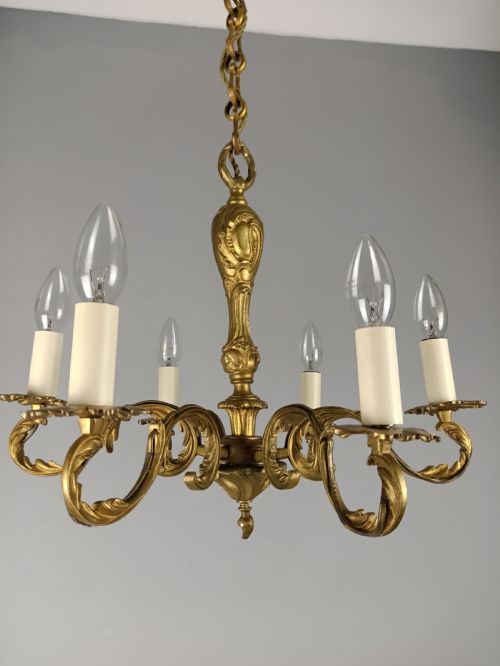
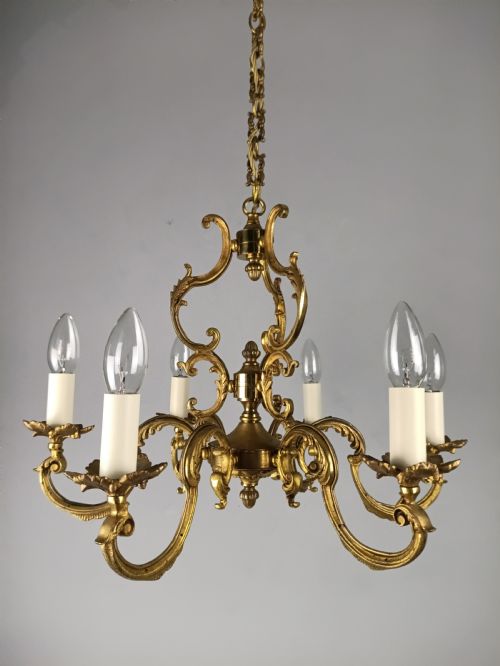


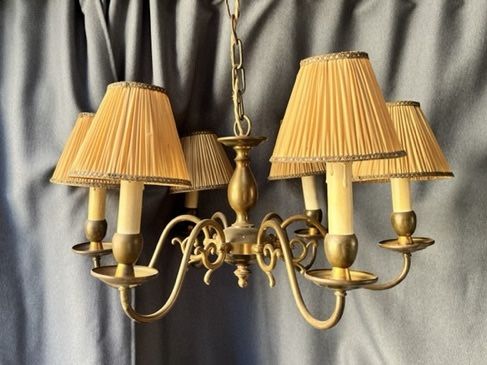


Six Light Hanging Fixture
A six light hanging fixture delivers generous illumination while anchoring a room with period character.
Six Light Hanging Fixture
A six light hanging fixture brings together multiple branches or arms to illuminate larger spaces with symmetry and presence. These pieces primarily take the form of chandeliers and ceiling lights suspended from above.
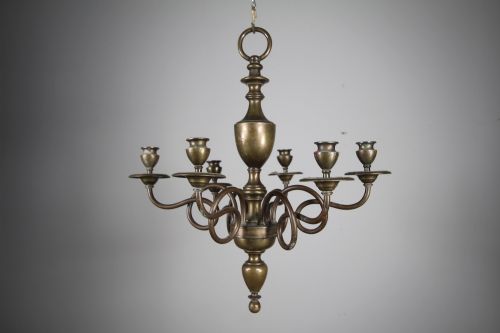
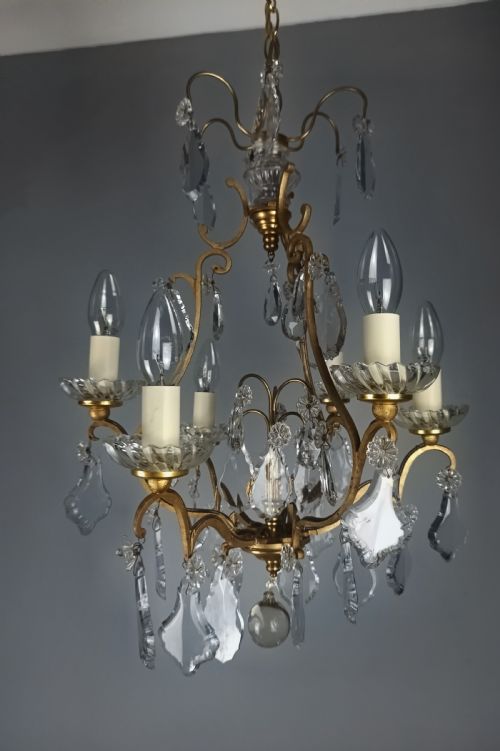
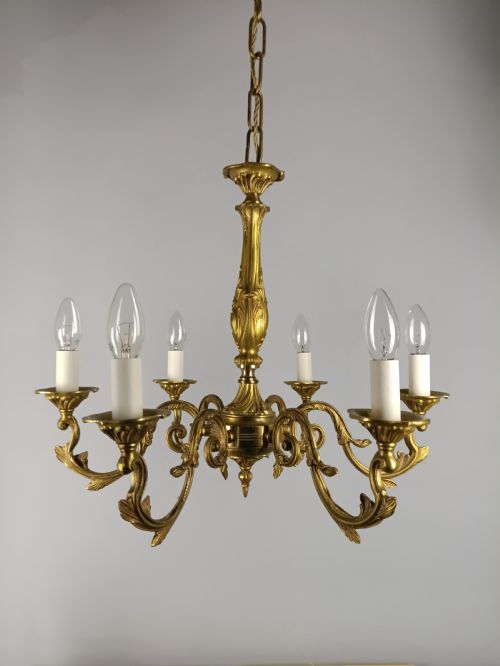
The selections available span from the Victorian era through the early twentieth century, encompassing French Chateau, French Rococo, Edwardian, and Gustavian styles. Buyers frequently encounter French brass, gilt metal, and crystal designs dating from the nineteen-thirties.
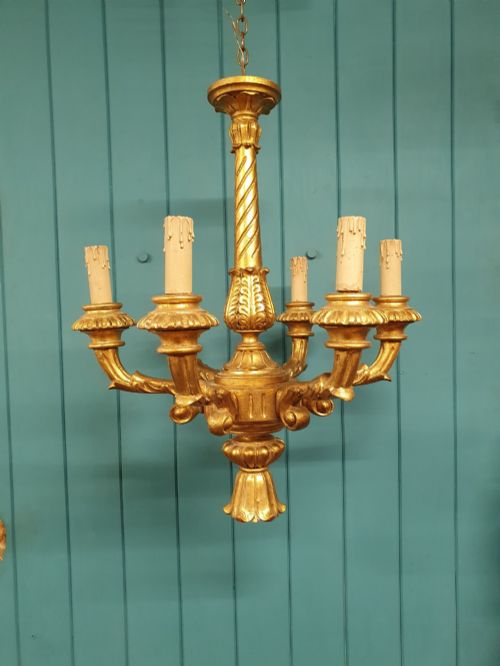
Originating across England, France, Italy, Sweden, and the Netherlands, these fixtures range from heavy cast bronze and brass frameworks to delicate gilded wood and glass configurations. Each piece reflects the decorative priorities of its specific period, whether ornate revivalism or restrained classicism.
How they were made
Maker workshops utilised traditional metalworking techniques such as casting brass, bronze, and gilt metal to form the structural arms and central stems. Giltwood, gesso, and Toleware additionally appeared in frames and decorative branches.
Glass and crystal components were hand-cut and shaped, then suspended from the metal frames alongside fabric elements where specified by the design. Hand-applied gilding finished the surfaces of metal and wooden frameworks alike.
Six Light Hanging Fixture Retail Price Guide 2026
Typical asking prices for six light hanging fixture among the pieces listed under this phrase on Sellingantiques today, from the lower quarter to the upper quarter. They describe what is for sale here now, not the wider market.
Several chandeliers include suspended coloured fruits among their crystal drops, adding a playful touch to formal illumination.
What varies in quality
The calibre of a fixture rests upon the weight and purity of its metal casting, alongside the depth and retention of its original gilding. Heavy brass and bronze structures provide superior stability compared to lighter assemblies.
Detailing in the decorative elements, from hand-cut crystal prisms and coloured fruits to carved gesso and giltwood, dictates the refinement of the piece. Superior examples exhibit precise symmetry across all six arms and integrated construction.
The Six Light Hanging Fixture Glossary
- Chandelier
- A branched ornamental light fixture suspended from the ceiling. This form supports multiple light points arranged in a symmetrical tier.
- Giltwood
- Wood that has been treated with a thin layer of gold leaf or gold paint. This finish creates a reflective, luxurious surface popular in period interiors.
- Toleware
- Enamelled and painted metalware, often decorated with floral motifs. It provides colourful accents within traditional lighting designs.
- Gesso
- A plaster-based material applied to wood surfaces to create a smooth base for gilding or painting. It allows for intricate relief carving and moulding.
- Pendant chandelier
- A hanging light suspended by a single chain, cord, or rod rather than multiple structural chains. This style often sits closer to the ceiling.
Six Light Hanging Fixture: Frequently Asked Questions
How do I clean a crystal chandelier?
Maintenance requires gentle dusting with a soft cloth and careful wiping of glass components using diluted cleaning solutions.
Harsh chemicals must be avoided to protect metal gilding and delicate finishes on the surrounding frame.
Can these fixtures take modern bulbs?
Most antique fixtures accommodate contemporary low-wattage LED lamps with standard fittings.
Rewiring by a qualified electrician ensures safety and compliance with current electrical standards.
Where should a six light fixture hang?
These pieces suit living rooms, dining tables, and entrance halls where ample illumination is required.
Ceiling height dictates the drop length to maintain clearance beneath the lowest point of the frame.
How do I identify a Victorian piece?
Victorian examples often display heavy cast bronze, gesso, and giltwood construction with revivalist decorative motifs.
Construction methods and material patination help distinguish nineteenth-century production from later twentieth-century reproductions.