



Silvered Bronze Ceiling Light
A silvered bronze ceiling light brings a distinctive metallic sheen and classical proportion to a room, offering both character and illumination.
Silvered Bronze Ceiling Light
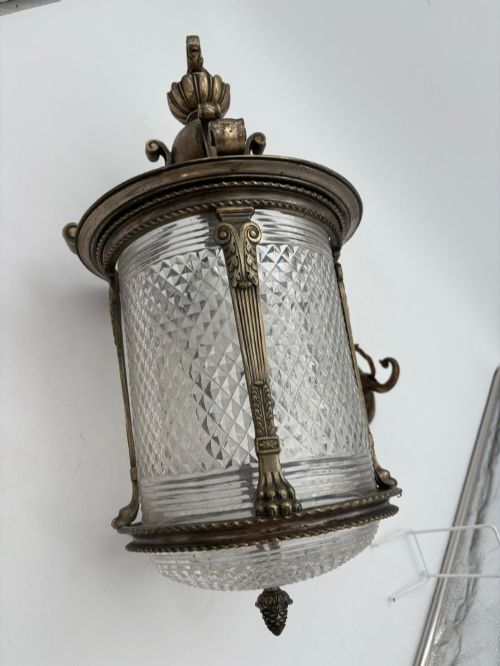
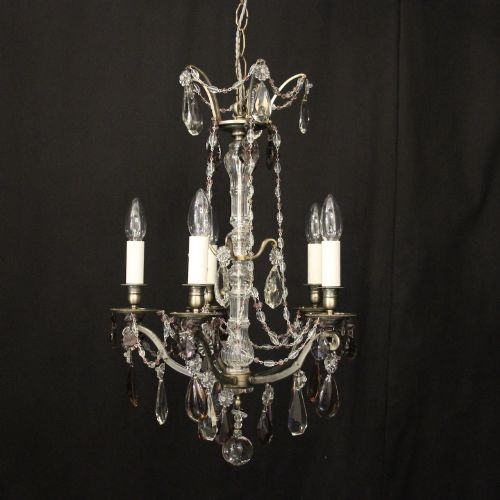
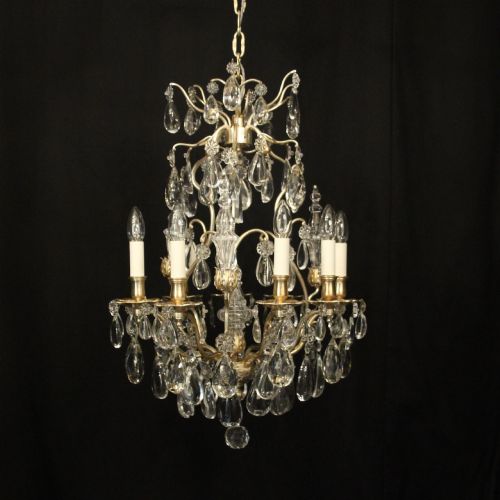
A silvered bronze ceiling light encompasses French chandeliers, hanging lanterns, and pendant lights originating from periods such as the nineteenth century, 1910, 1920, and 1930. These fixtures range from simple five-light formats to grand fifteen-light arrangements.
Buyers will most frequently encounter French chandeliers and lanterns finished in silver gilding or silvered bronze, often paired with glass and crystal components. The selection draws heavily upon French Neoclassical, French Rococo, and Grand Regency styles.
How they were made
These fixtures are constructed primarily from cast bronze and metal, treated with silver gilding or silvered finishes to achieve their characteristic metallic lustre. Many examples incorporate glass and crystal drops, pendants, or bowls to enhance light reflection.
The fabrication relies on traditional metal casting and gilding techniques typical of French and English workshops from the nineteenth and early twentieth centuries. Structural elements are assembled to support multiple light arms and heavy crystal embellishments securely.
Silvered Bronze Ceiling Light Retail Price Guide 2026
Typical asking prices for silvered bronze ceiling light among the pieces listed under this phrase on Sellingantiques today, from the lower quarter to the upper quarter. They describe what is for sale here now, not the wider market.
The listings span the nineteenth century through to the 1930s, showcasing French Neoclassical, Rococo, and Grand Regency styles.
What varies in quality
Quality differences emerge in the crispness of the bronze casting and the depth of the silver gilding applied to the surface. Finer examples display meticulous detail in their ornamental mounts and substantial metal armatures.
The integration and clarity of the crystal and glass elements also distinguish the pieces, with higher-tier items featuring precisely cut drops and robust framing that maintains balance across multiple light tiers.
The Silvered Bronze Ceiling Light Glossary
- Bronze
- An alloy consisting primarily of copper, traditionally used as the base metal for high-quality decorative light fixtures. It provides the necessary structural rigidity and weight for multi-arm chandeliers.
- Gilding
- The application of a thin layer of gold or silver to the surface of another metal, such as bronze. This technique creates a luminous finish characteristic of French chateau and neoclassical lighting.
- Chandelier
- A branched ornamental ceiling light designed to hold multiple lamps or candles. These pieces often incorporate crystal drops to amplify illumination within large spaces.
- Pendant light
- A single light fixture that hangs from the ceiling by a cord, chain, or metal rod. They differ from chandeliers by typically featuring one central light source rather than multiple arms.
Silvered Bronze Ceiling Light: Frequently Asked Questions
How do I clean a silvered bronze ceiling light?
Dust the metal and crystal elements gently with a soft, dry cloth to prevent accumulation. Avoid harsh chemical cleaners that can strip the silver gilding from the bronze surface.
For crystal drops, a mild solution of warm water and a gentle soap applied with a soft brush works well. Ensure the fixture is completely dry before restoring power.
Are these lights suitable for modern rooms?
These antique fixtures provide a striking focal point when contrasted with contemporary interior design. Their metallic finishes and classical forms complement minimalist or transitional spaces.
Scale is the main consideration when placing them in modern homes with standard ceiling heights. Choose smaller five-light formats for compact areas and multi-tier lanterns for larger rooms.
How are multi-arm chandeliers supported?
Larger chandeliers require robust ceiling joists and appropriate hardware to bear their substantial weight safely. Professional installation is strongly recommended for fixtures incorporating heavy bronze and crystal.
The suspension chain or rod must be securely anchored to prevent strain on the internal wiring and structural joints.
What styles are common among these lights?
The selection is dominated by French aesthetic traditions, including French Neoclassical, French Rococo, and Grand Regency designs. These styles feature symmetrical proportions, ornate casting, and decorative floral or scroll motifs.
English interpretations also appear, sharing similar emphasis on crystal embellishment and silvered metalwork.