



Silver Wine Stopper
A silver wine stopper seals a bottle with metal and glass, keeping the vintage fresh while adding weight to the hand.
Silver Wine Stopper
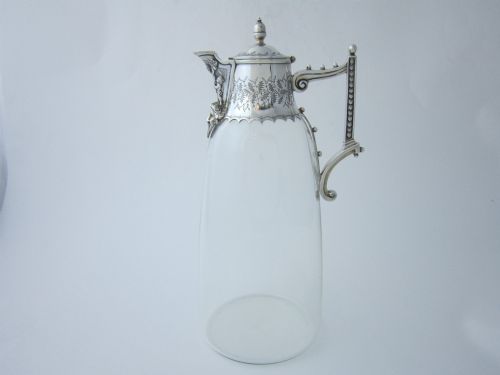
A silver wine stopper brings together precious metal and glass to cap decanters, carafes, and spirit bottles securely. When you search for a silver wine stopper, you encounter distinct standalone bottle closures alongside mounted mounts paired directly with jugs and decanters.
The selections span the Victorian and Edwardian eras down to later twentieth-century pieces, reflecting shifts in dining habits over the decades. The most common form on this page pairs a cork or ground glass base with a sterling silver or silver plate top.
Makers fashioned these utilitarian objects in novelty shapes such as animals or sandwich boards, as well as simple, elegant mushroom forms. These stoppers protected opened wine and spirits from the air while remaining decorative on the sideboard.
How they were made
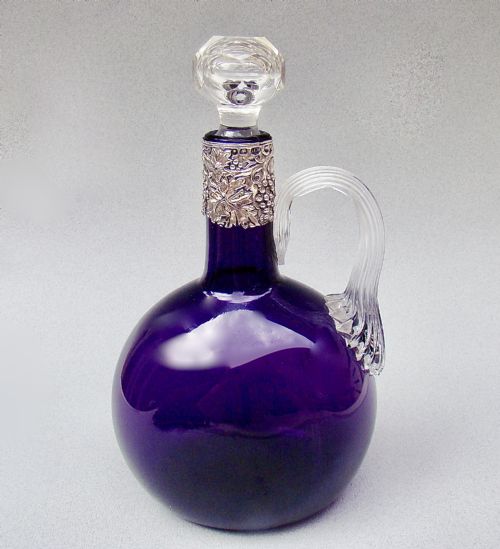
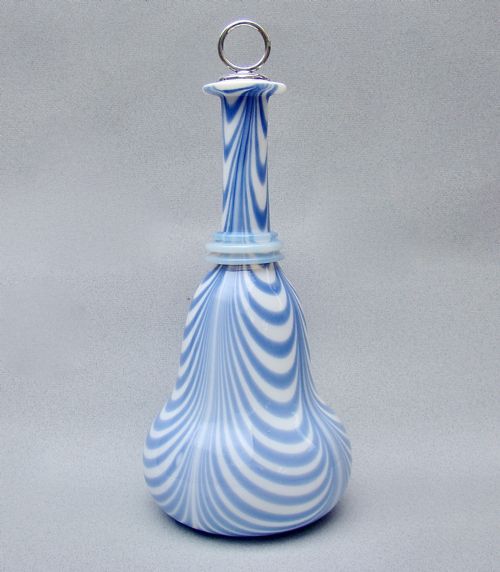
Silversmiths shaped the metal mounts by hand or utilised casting techniques, attaching them firmly to glass vessels or forming independent stoppers with ribbed corks. Glassblowers created the bodies using clear crystal, cut glass, and coloured amethyst or Nailsea glass.
Plate makers utilised Old Sheffield plate or standard silver plate over base metals, while others turned to solid sterling silver for the mounts and collars. The components were joined securely to ensure the stopper formed an airtight seal within the bottle neck.
Listings feature items spanning the Victorian, Edwardian, and later twentieth-century periods, alongside materials like amethyst glass and old Sheffield plate.
What varies in quality
The weight and thickness of the silver mount distinguish finer examples from standard production pieces, along with the crispness of any chased or engraved decoration. The clarity and cut of the glass, whether clear crystal or coloured amethyst, dictate the visual depth of the vessel.
A complete, original pairing of stopper and decanter retains more integrity than a matched replacement assembled at a later date. The snugness of the fit and the condition of the underlying cork or ground glass indicate how well the piece was maintained.
Henry Matthews·Charles Reily and George Storer
The Silver Wine Stopper Glossary
- Sterling silver
- A silver alloy containing 92.5 percent pure silver by mass, with the remainder consisting of copper or other metals. This standard guarantees durability for functional items like bottle mounts.
- Old Sheffield plate
- An early form of silver plating produced by fusing a sheet of silver to a copper ingot. This technique creates a rich surface that wears differently from electroplated silver.
- Amethyst glass
- A deep purple glass popular during the nineteenth century. It filters light and adds colour to wine decanters and spirit bottles.
- Nailsea glass
- A type of glass featuring looped or combed white glass trails embedded within a coloured or clear body. It originates from the English glassworks at Nailsea.
- Claret jug
- A large pouring vessel designed specifically for serving red wine. These jugs often feature elaborate silver mounts and matching stoppers.
Silver Wine Stopper: Frequently Asked Questions
What is a silver wine stopper?
A silver wine stopper is a decorative and functional closure designed to fit into the neck of a decanter, wine jug, or spirit bottle. It typically combines a sterling silver or silver plate top with a cork, metal, or ground glass base.
These pieces range from simple utilitarian stoppers to elaborate novelty shapes and mounted mounts attached to larger carafes.
How do I date a silver stopper?
Dating a silver stopper involves examining hallmarks stamped on the metal mount, which reveal the assay office, date letter, and maker. Stylistic clues such as Victorian or Edwardian design motifs also help place the piece in its correct period.
When the stopper is part of a matched decanter, the glass-cutting style and manufacturing technique provide further chronological evidence.
Are these stoppers interchangeable between bottles?
Most antique stoppers were hand-ground or fitted specifically to their original decanter neck. While they may rest in other bottles, finding an exact airtight fit across different vessels can be difficult.
Stand-alone bottle stoppers with tapered corks offer more flexibility for sealing various modern or antique bottles.
How should I clean silver and glass?
Clean the silver portion gently with a soft cloth and a specialised silver polish, avoiding any contact with the glass or cork base. Wash the glass body in warm, soapy water and rinse thoroughly without submerging vintage cork components.
Regular, careful maintenance preserves both the reflective finish of the metal and the clarity of the glass.