





Silver Wall Charger Dish
These silver wall charger dish examples are substantial metal display pieces that bring rich historical texture and surface detail to a room.

Silver Wall Charger Dish
A silver wall charger dish is a large decorative platter intended primarily for display rather than dining use. When exploring a silver wall charger dish selection, you encounter forms ranging from heavy 18th-century English pewter plates to ornate 19th-century silver plated bronze platters and Middle Eastern inlaid copper wares.
The objects span multiple centuries and stylistic traditions, including Georgian, Victorian, Louis XVI, Islamic metalwork, and Egyptian Revival aesthetics. Many incorporate specialised hanging fixtures or substantial rims suited to vertical presentation on a wall.
The materials vary well beyond standard silver, encompassing solid silver gilt, silver plate on bronze, patinated iron with gold and silver inlay, beaten pewter, and copper. This diversity reflects centuries of global metalworking traditions adapted for decorative display.
Materials and construction methods
Metalworking techniques heavily define these pieces, utilising casting, hammering, and hand-beating to form the core body of the plate or charger. Master metalsmiths shaped copper, iron, bronze, and pewter into wide circular canvases before applying surface ornamentation.
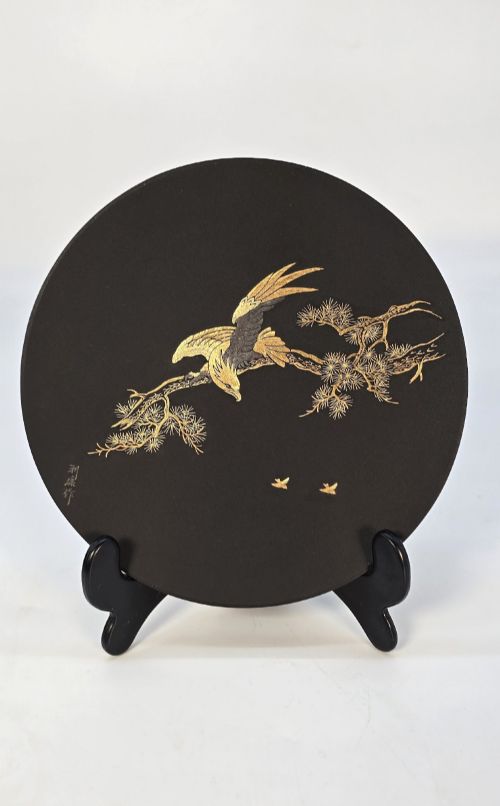
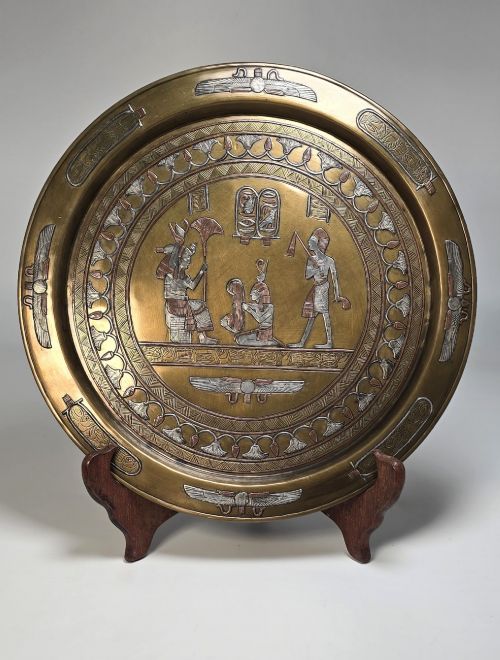
Inlay work and patination add intricate detail, seen in Middle Eastern Cairo Ware and Japanese iron plaques featuring gold and silver wire hammered into recessed channels. Other pieces employ silver plating over base metals or fire gilding onto solid silver to achieve rich surface reflectivity.
Silver Wall Charger Dish Retail Price Guide 2026
Typical asking prices for silver wall charger dish among the pieces listed under this phrase on Sellingantiques today, from the lower quarter to the upper quarter. They describe what is for sale here now, not the wider market.
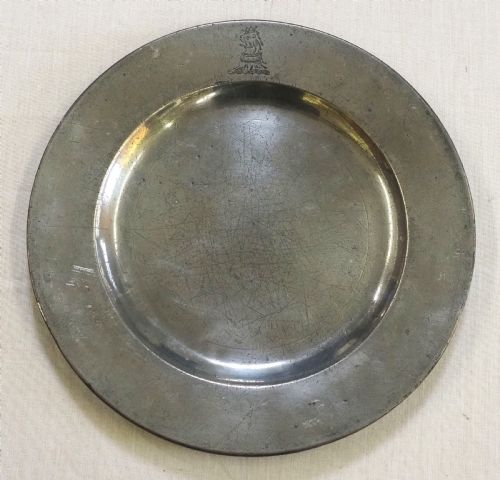
One stubborn lion crest carved into an 18th-century pewter plate has watched generations of dinner parties come and go.
Assessing quality in metal chargers
Quality rests significantly on the depth and crispness of the hand-chased, engraved, or inlaid details across the metal surface. Superior examples display precise control in figural battle scenes, floral motifs, or inlaid metalwork without erratic tool marks.
The integrity of the underlying metal and the weight of the charger also dictate value, as heavier gauge pewter, bronze, and copper resist warping over centuries. Original patination and untouched surface ageing distinguish masterwork plates from lesser restorations.
James Spackman·Thomas Powell·WMF
The Silver Wall Charger Dish Glossary
- Charger
- A large decorative plate or platter traditionally used on dining tables or displayed upright on sideboards and walls. These oversized vessels provide a wide canvas for intricate metalwork and armorial crests.
- Cairo Ware
- Late 19th-century Middle Eastern metalwork, typically copper or brass inlaid with silver and black paste, produced largely for the tourist and Grand Tour market in Egypt. The style draws heavily on traditional Islamic designs.
- Pewter
- A malleable metal alloy consisting primarily of tin, combined with copper, antimony, or lead. It serves as the primary material for many English domestic and commemorative plates from the 18th century.
- Silver Gilt
- Silver object coated with a thin layer of gold through fire gilding or electrochemical processes. This technique provides the rich appearance of solid gold while utilising a silver base.
- Patination
- The natural or induced chemical altering of a metal surface over time through oxidation and handling. A stable patina enhances the visual depth and historical character of older copper, iron, and bronze pieces.
Silver Wall Charger Dish: Frequently Asked Questions
How do I hang a heavy metal charger safely?
Heavy metal plates require specialised wall fixings distributed evenly to support the weight of bronze, iron, or thick pewter without stressing the rim. Spring-loaded brass wire hangers or custom manufacturer brackets secure the piece firmly against the wall.
Ensure the hanging wire or clips engage the deepest part of the footring or rim to prevent slipping. Wall anchors rated for heavy loads provide the necessary security in lath and plaster or drywall.
Can these chargers still be used for food?
Most antique metal chargers are intended strictly for decorative display rather than serving food. Many older pieces contain lead in their pewter alloy composition, or feature delicate silver plating and toxic patination treatments unsuitable for culinary contact.
Items featuring intricate metal inlay, gold gilt, or chemical patination require protection from acidic foods and moisture. Keep them dry and clean them only with soft, non-abrasive cloths to preserve the surface.
How do I distinguish 18th-century pewter from later copies?
Eighteenth-century pewter typically exhibits subtle hammer marks, hand-engraved maker crests, and softer surface wear consistent with age. The alloy composition in older pieces often feels heavier and shows a duller, deeper oxidation.
Maker marks, touchmarks, and ownership initials punched into the metal help anchor the date. Compare the weight distribution and rim style against documented examples from the same period.