



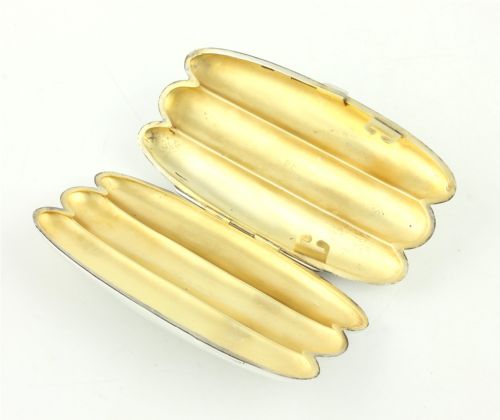


Silver Tobacco Accessories
Silver tobacco accessories span pocket snuff mulls to heavy desk boxes, offering tactile metalwork and practical design for the smoker.
Silver Tobacco Accessories
Silver tobacco accessories encompass everything from pocket snuff boxes and cigar cases to desk-top humidors, pipe tampers, and table lighters. You encounter forms dating from the Georgian period through the Victorian and Edwardian eras up to the mid-twentieth century.
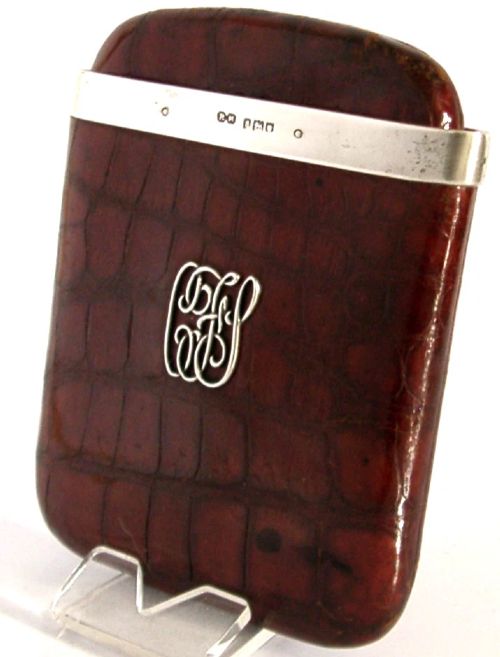
The material range spans solid sterling silver and silver plate alongside nickel silver, horn, tortoiseshell, agate, crocodile leather, and amber. Pieces arrive from English, Scottish, Dutch, Russian, and Chinese makers, reflecting diverse smoking customs.
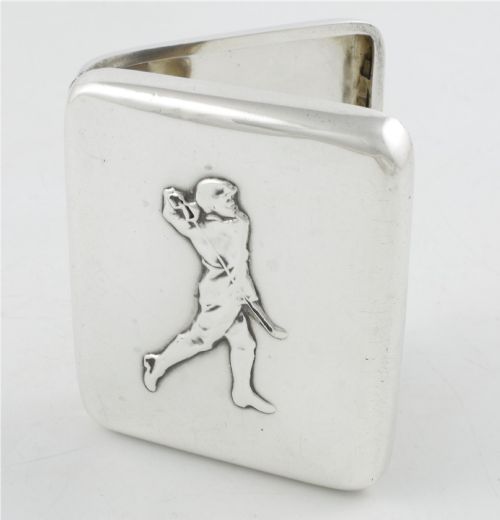
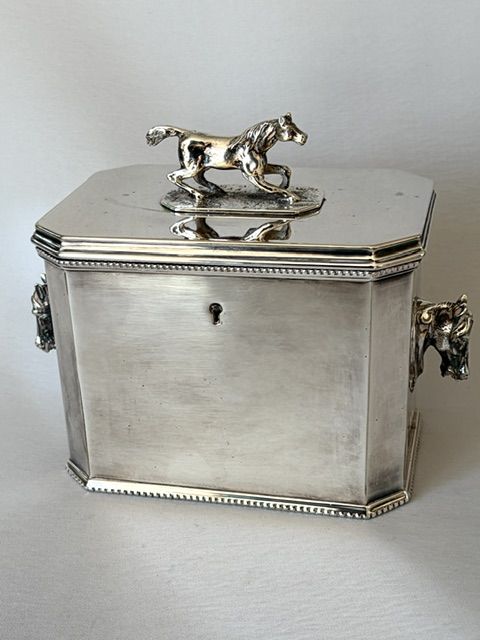
Pocket items such as curved cigarette cases and squeeze tobacco boxes sit alongside large hinged desk boxes and figural table lighters. Each object served a specific ritual of consumption, whether carrying cheroots or storing loose leaf.
How they were made
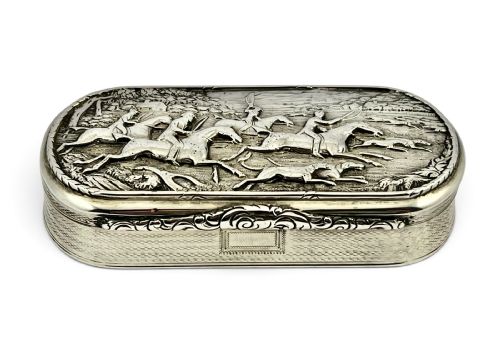
Silversmiths utilised sterling silver and silver plate, frequently pairing the metal with organic elements like horn, tortoiseshell, amber, and crocodile leather. Construction methods combined hand-raising, stamping, and engine-turning to pattern the exterior surfaces.
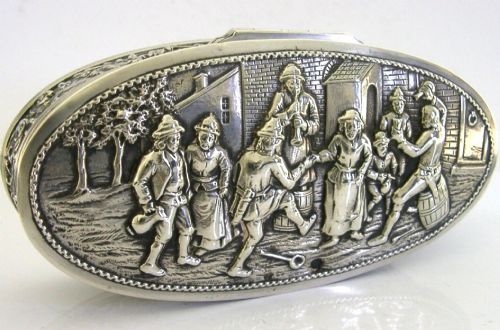
Hinged elements, gilt interiors, and detailed engraving required precise bench skills, while specialised items incorporated fitted glass, wood linings, or enamel decoration. Makers also combined silver with gold highlights and intricate coin embellishments.
Silver Tobacco Accessories Retail Price Guide 2026
Typical asking prices for silver tobacco accessories among the pieces listed under this phrase on Sellingantiques today, from the lower quarter to the upper quarter. They describe what is for sale here now, not the wider market.
Current listings feature smoking and tobacco items spanning the Georgian, Victorian, Edwardian, and mid-twentieth-century periods in silver, horn, and leather.
What varies in quality
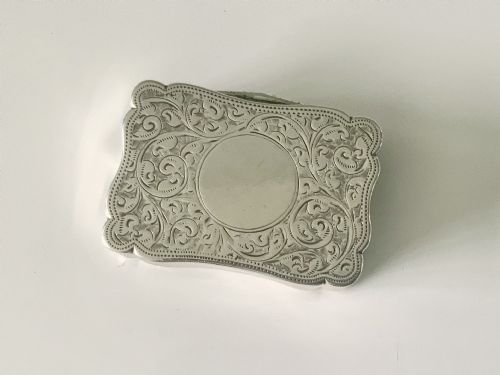
Quality rests in the weight of the metal, the crispness of the engine-turning or hand engraving, and the structural integrity of the hinges. Substantial desk boxes and heavy cigar cases demonstrate superior gauge silver compared to thinner plated alternatives.
Maker marks, clear hallmarks, and the integration of secondary materials like tortoiseshell or genuine amber elevate individual pieces. The precision of the closing mechanism and the preservation of original gilding inside snuff boxes distinguish finer examples.
Mappin & Webb·Zimmerman·Edward Edwards·Wright & Davies·Matthew Linwood·Frederick Mason·James Phipps I
The Silver Tobacco Accessories Glossary
- Snuff mull
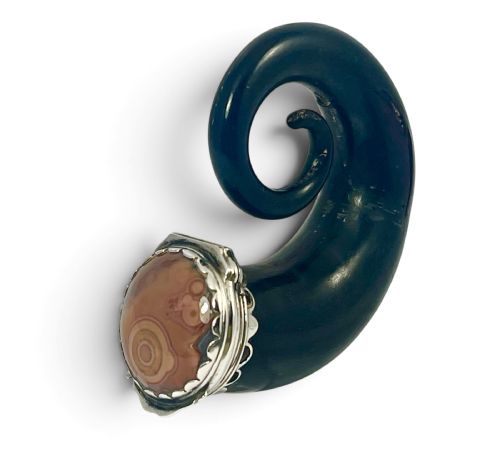
- A small container for holding ground tobacco, traditionally made from ram's horn with a silver mount.
- Engine turned
- A geometric pattern mechanically engraved onto metal surfaces using a lathe.
- Pipe tamper
- A small tool used to press down tobacco inside a pipe bowl before or during smoking.
- Gilt
- A thin layer of gold applied to the interior surface of a silver box to prevent corrosion from tobacco.
- Humidor
- A lined storage box designed to keep cigars at the correct humidity.
Silver Tobacco Accessories: Frequently Asked Questions
How do I clean an antique silver tobacco box?
Use a soft microfiber cloth and a mild, non-abrasive silver polish to maintain the surface without removing engraving details. Avoid harsh dipping solutions that strip natural age patination.
Keep moisture away from any interior linings made of wood, horn, or leather during the cleaning process.
Can I still use these antique cases for daily carry?
Pocket items like cigarette cases and squeeze boxes were built for daily use and remain structurally robust. Check that the hinge and clasp secure firmly before placing items inside.
Delicate pieces featuring tortoiseshell, amber, or extensive enamel work are better suited to careful handling or display.
What is the difference between a cheroot case and a cigar case?
Cheroot cases are typically slender and tapered to fit open-ended cheroots, whereas cigar cases are wider and often partitioned for standard cigars. Both forms utilise rigid metal frames or leather-covered sleeves to prevent crushing.
Many nineteenth-century examples feature internal curves designed to match the contour of a pocket.
How do I read the hallmarks on these pieces?
British hallmarks usually include a maker mark, a standard mark like the lion passant for sterling, a city assay mark such as a leopard's head for London, and a date letter. These stamps confirm the year of production and the office of testing.
Foreign pieces may feature distinct national control stamps or artisan signatures instead of standard British marks.