


Silver Tableware Decor
Silver tableware decor brings character to dining spaces through polished metals, intricate figural designs and functional antique serving pieces.
Silver Tableware Decor
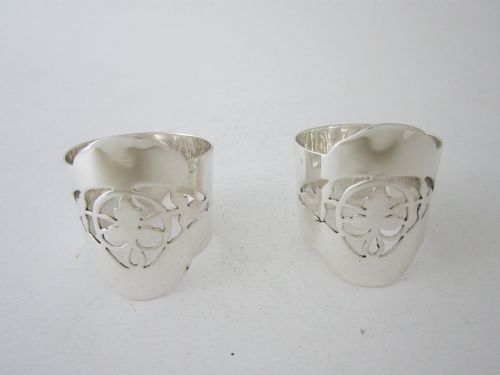
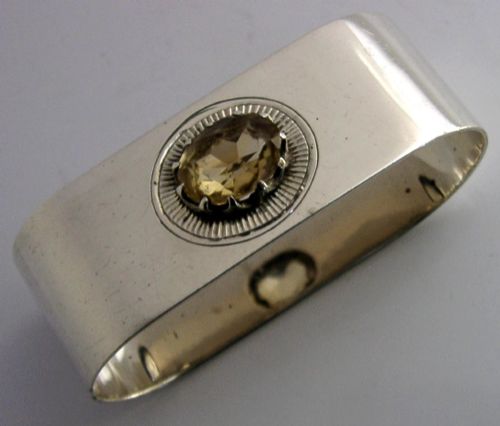
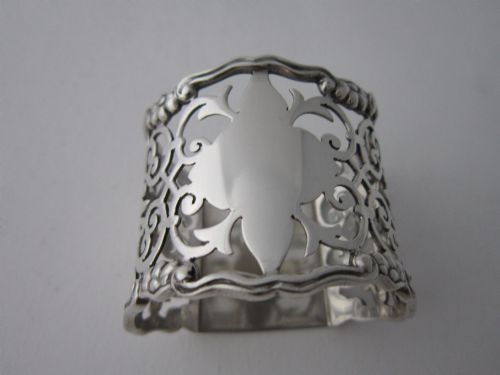
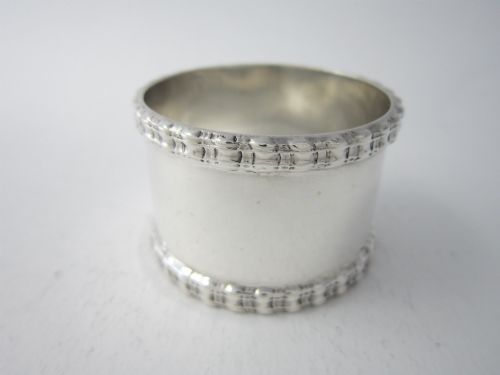
Silver tableware decor encompasses functional dining accessories and decorative objects designed to enhance the table setting. When searching for silver tableware decor, buyers encounter items ranging from Victorian napkin rings and Edwardian candlesticks to George VI knife rests and menu holders.
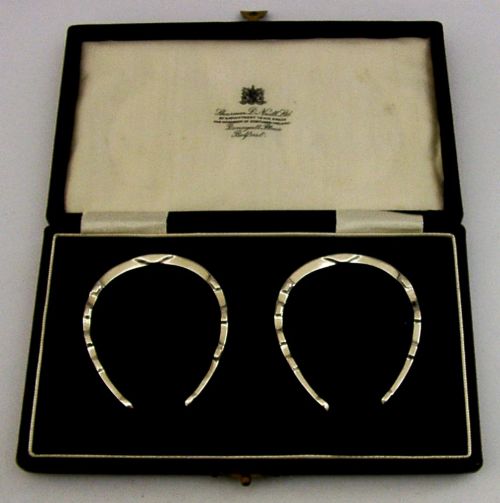
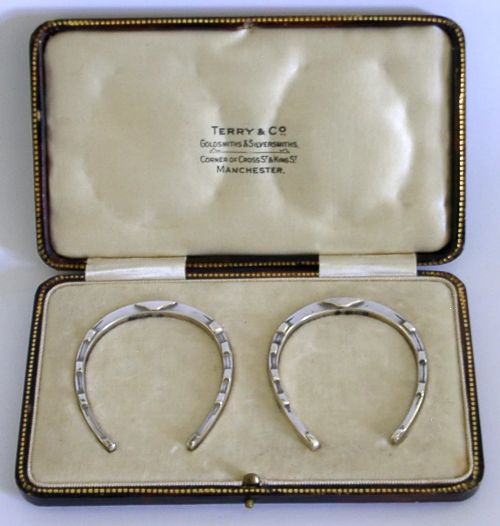
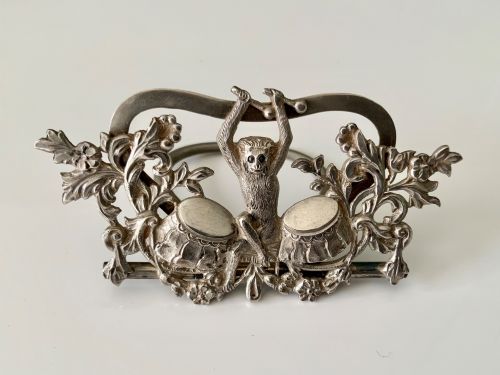
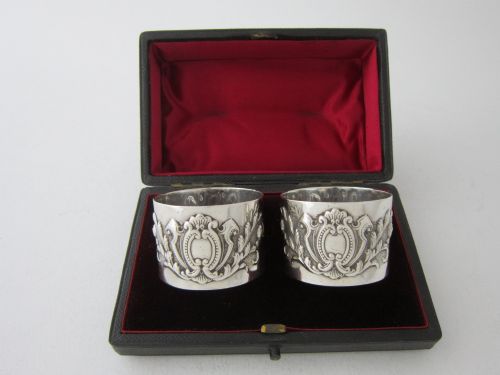
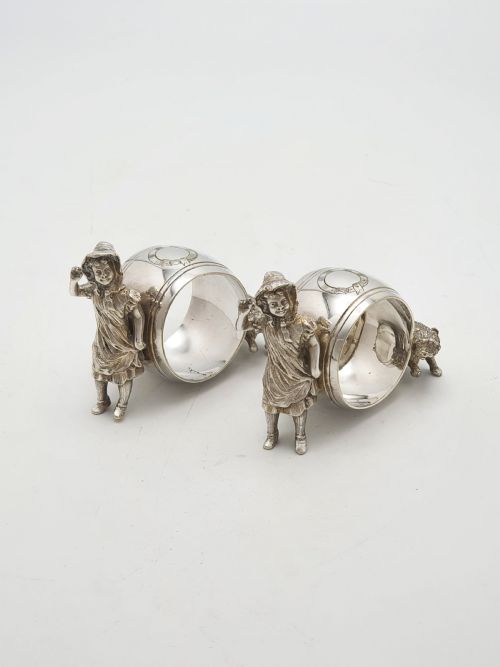
The selection leans heavily toward smaller dining table appointments rather than large hollowware. Cased sets of napkin rings, figural menu card holders, and pairs of knife rests dominate the offerings across multiple decades.
Pieces span several stylistic eras, including Georgian, Victorian, Edwardian, Art Deco, and Mid-Century British periods. These items reflect the shifting dining customs and social rituals of the nineteenth and twentieth centuries.
How They Were Made
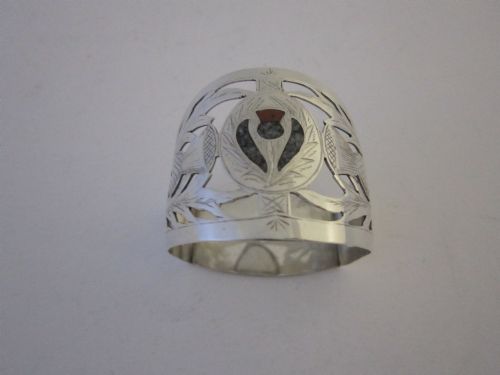
Makers utilised solid sterling silver, silver plate, and silver gilt alongside supporting materials like velvet, silk, leatherette, mother-of-pearl, agate, and guilloche enamel. Metalworking techniques involved casting, hallmarking, hammering, and detailed figural moulding.
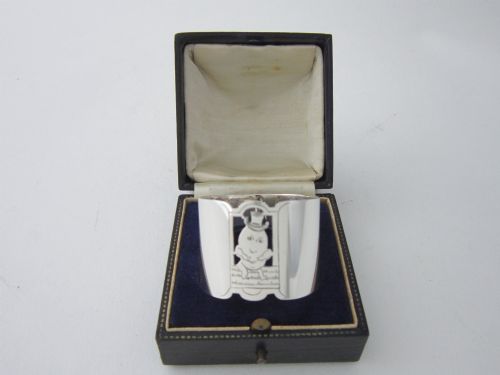
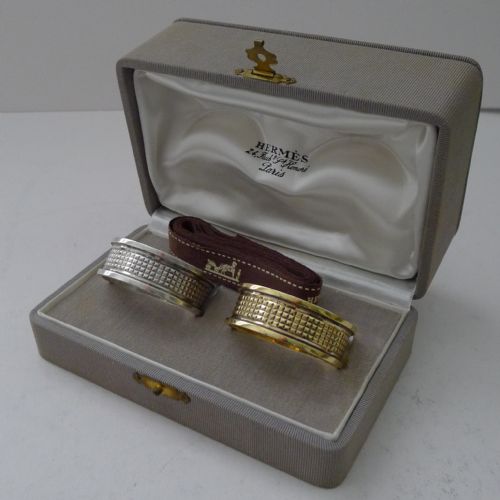
Many items were manufactured as matched pairs or boxed sets intended for formal dining. Cases lined with velvet or satin protected delicate silver and silver gilt surfaces when not in use on the table.
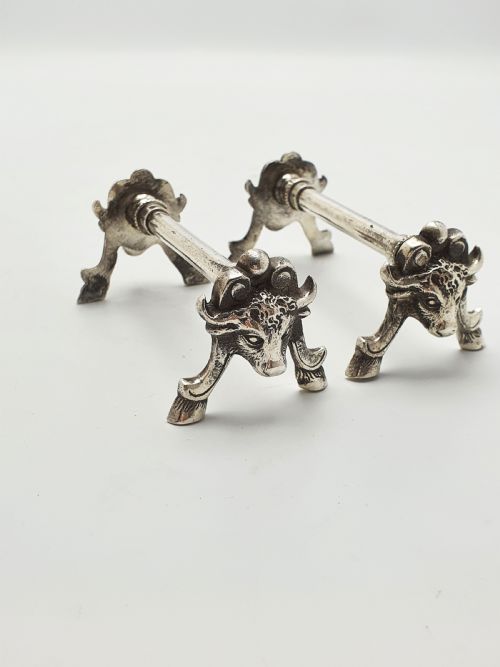
Tableware items on this page include napkin rings, knife rests, candlesticks, menu holders, and sauce tureens.
What Varies in Quality
Quality rests upon the crispness of detail in figural castings, such as animal motifs or novelty figures, and the integrity of the underlying metal. Solid sterling silver pieces with clear hallmarks differ fundamentally from silver-plated items, though high-grade electroplate exhibits fine craftsmanship.
The survival of original fitted cases, matched sets, and auxiliary materials like enamel or hardstones elevates individual pieces. Superior design execution distinguishes standard utility tableware from exceptional decorative examples.
Hermes Paris·John Mackfarlan·Mappin & Webb·William Grundy·Elkington & Co·David Andersen·Liberty
The Silver Tableware Decor Glossary
- Sterling silver
- A silver alloy containing 92.5 percent pure silver and 7.5 percent other metals, usually copper, ensuring durability for tableware. This standard has governed British silver for centuries and appears frequently on hallmarks.
- Silver plate
- A base metal coated with a thin layer of silver, providing the appearance of solid silver at a different cost. Items marked EPNS fall into this category.
- Knife rest
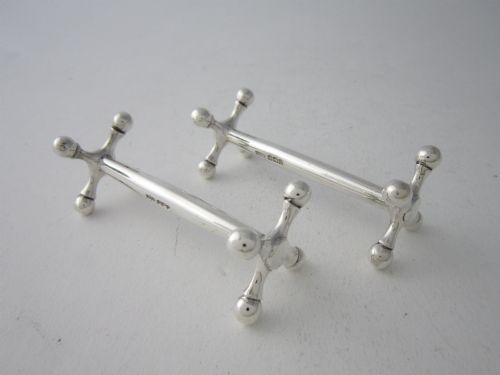
- A small support designed to keep carving or dining knives elevated above the tablecloth between courses. They often appear in matched pairs or sets of four.
- Menu holder
- A decorative desk or table accessory designed to display menu cards or place cards upright during formal meals. Victorian and Edwardian examples often feature figural motifs.
- Silver gilt
- Silver that has been coated with a thin layer of gold on its surface, creating a rich two-tone finish. This technique often highlights the interior bowls of spoons or specific decorative elements.
Silver Tableware Decor: Frequently Asked Questions
How were napkin rings used?
Napkin rings identified individual napkins during multi-course Victorian and Edwardian meals when household linen might be reused over several days.
They were engraved with initials or crests and kept in fitted cases between formal dining occasions.
How do I clean antique silver?
Antique silver requires gentle cleaning with specialist non-abrasive silver polish and a soft cloth to preserve the patina. Harsh dips strip away aged surfaces and diminish historic character.
Frequent light dusting prevents tarnish buildup without harming delicate engravings or applied stones.
Are knife rests still practical?
Knife rests remain useful on modern dining tables for keeping cutlery elevated and protecting table linens from grease and sauce. Their compact size makes them easy to incorporate into contemporary table settings.
Pairs and sets provide uniform support for multiple guests during dinner parties.
How do I identify silver periods?
Silver periods are identified through a combination of hallmarks, stylistic cues, and manufacturing techniques recorded on the pieces. Date letters and maker marks stamped into the metal provide precise chronological markers.
Stylistic shifts from ornate Victorian flora to geometric Art Deco lines also signal the era of production.