




Silver Tabletop Box
A silver tabletop box organises small valuables, tobacco or dried herbs on a desk, and these pieces span periods from the eighteenth century to the mid-twentieth.
Silver Tabletop Box
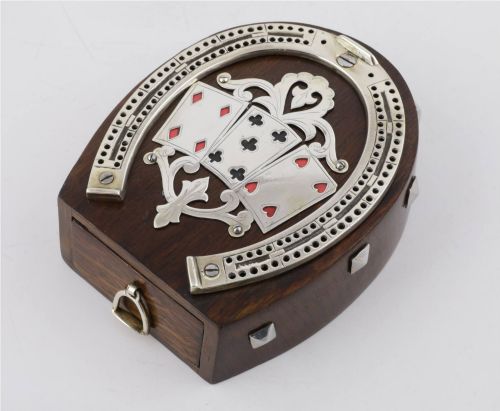
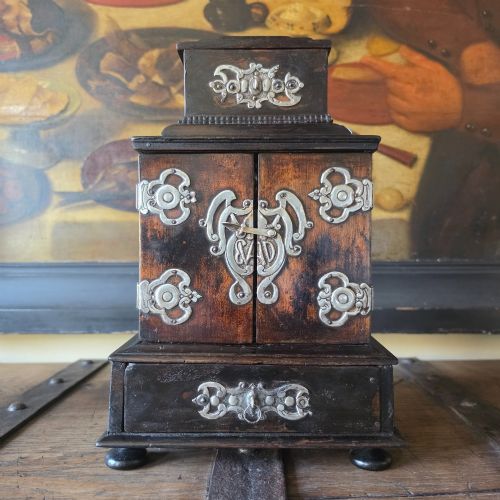
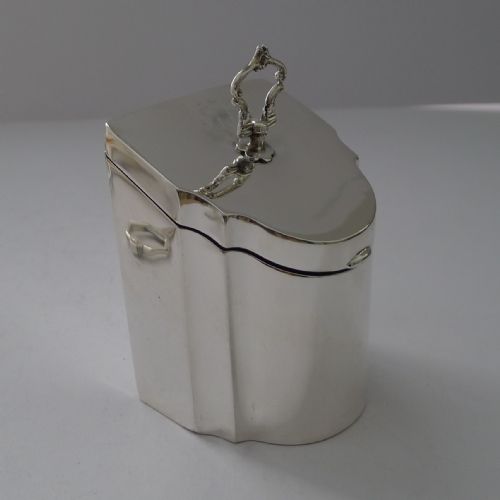
When you search for a silver tabletop box, you encounter a varied group of containers that includes tea caddies, desk boxes, jewellery cabinets, and snuff boxes. These functional items sit upon desks, dressing tables, and sideboards, serving both a storage purpose and a decorative role in the interior.
The pieces on this page originate from diverse eras, ranging from eighteenth-century examples to mid-century specimens. You will find items representing Victorian, Edwardian, and Art Deco aesthetics, alongside continental forms.
Among the most frequent finds are tea caddies and smoking compendiums, often constructed to house tobacco, cigars, or tea leaves. Smaller trinket boxes and jewellery boxes also appear regularly, lined for the protection of personal items.
Materials and construction
Makers utilised sterling silver, solid silver, and silvered metal to form the primary structures and decorative mounts of these pieces. Many containers combine metalwork with organic materials such as walnut wood and tortoiseshell.
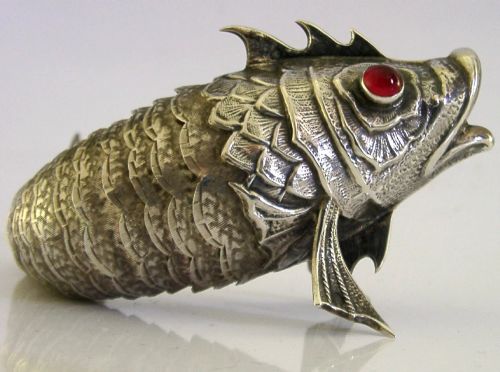
Surface ornamentation relies on techniques like repoussé and relief work, creating detailed pictorial scenes or motifs such as cherub figures upon the lids and sides. Hallmarks stamped into the metal indicate assay offices like Birmingham and Chester alongside production years.
Silver Tabletop Box Retail Price Guide 2026
Typical asking prices for silver tabletop box among the pieces listed under this phrase on Sellingantiques today, from the lower quarter to the upper quarter. They describe what is for sale here now, not the wider market.
Materials appearing across these entries range from sterling silver and solid silver to walnut, tortoiseshell, and glass.
Distinctions in quality
The calibre of a piece rests upon the weight of the silver used in its construction and the crispness of any embossed relief work. Heavier gauge metal and deep, articulate chasing separate robust containers from lighter, simpler items.
The integration of secondary materials also defines standard, with carefully fitted wooden carcasses and intact tortoiseshell panels indicating superior workmanship. Maker attribution to established firms adds further distinction to the physical object.
Walker & Hall·Mappin & Webb
The Silver Tabletop Box Glossary
- Sterling silver
- A silver alloy containing 92.5 percent pure silver by weight, standard for English silver pieces.
- Tea caddy
- A box or container originally made to store dry tea leaves before brewing.
- Repoussé
- A metalworking technique where the artisan hammers the metal from the reverse side to form a raised design on the front.
- Tortoiseshell
- A mottled brown and yellow shell material derived from the carapace of certain sea turtles, used historically to veneer decorative boxes.
- Hallmark
- A series of official marks stamped on precious metals in the United Kingdom to certify standard of purity and origin.
Silver Tabletop Box: Frequently Asked Questions
What were silver tabletop boxes used for?
These boxes served practical domestic functions by holding high-value commodities, personal documents, and consumables. Tea caddies preserved precious tea leaves, whilst snuff and cigar boxes kept tobacco dry and accessible in reception rooms.
Smaller trinket and jewellery boxes provided secure storage for rings and small personal accessories on dressing tables. Their presence on furniture signalled the owner's taste and standing.
How can I tell the period of a silver box?
Assay office hallmarks and date letters stamped directly into the silver provide the most reliable indication of age. These official marks reveal the exact year of testing and the city where the piece was registered.
Stylistic cues also help distinguish eras, such as geometric lines on Art Deco items or ornate cherub relief work associated with Edwardian and Victorian production.
Are these boxes made entirely of solid silver?
Many examples utilise solid silver or sterling silver for their outer shells, lids, and decorative mounts. However, some variants combine silver with an internal wooden carcass, such as walnut, or incorporate panels of tortoiseshell.
Larger desk boxes and smoking compendiums often rely on a sturdy wooden base structure clad in heavy silver sheets or panels to provide rigidity.
How do I care for a silver tabletop box?
Regular dusting with a soft, dry cloth prevents the accumulation of particulate matter on the metal and decorative relief surfaces. When cleaning is necessary, use a specialist silver polish applied sparingly to avoid removing detail from engraved or chased areas.
Keep wooden and tortoiseshell elements away from direct sunlight and excessive humidity to prevent warping or cracking of the organic materials.