



Silver Table Castors
Silver table castors are functional items for dispensing sugar and pepper that bring period character to a dining table.
Silver Table Castors
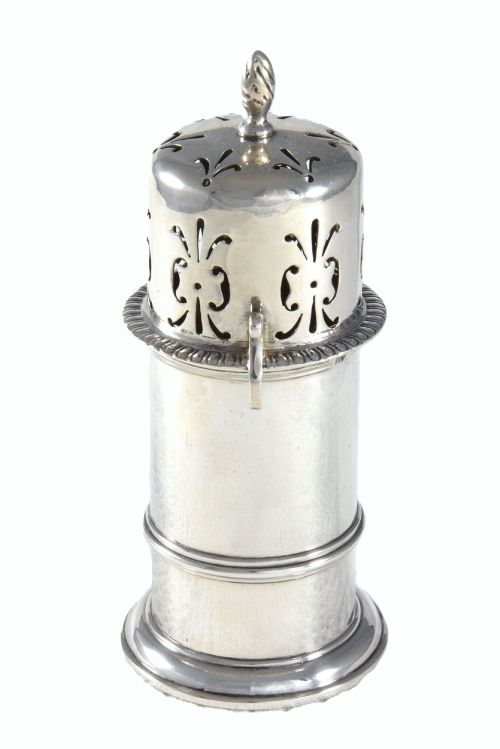
When searching for silver table castors, you find pieces used for dispensing seasonings like sugar and pepper at the dining table. These items take the form of sugar shakers, pepper pots, and individual castors, alongside larger multi-bottle cruet frames that house them.
The versions most commonly met on this page belong to the Victorian and Edwardian periods, stretching from the late nineteenth century into the early twentieth. They appear in sterling silver, solid silver, 800 silver, and silver plate, often accompanied by glass and cut glass bottles.
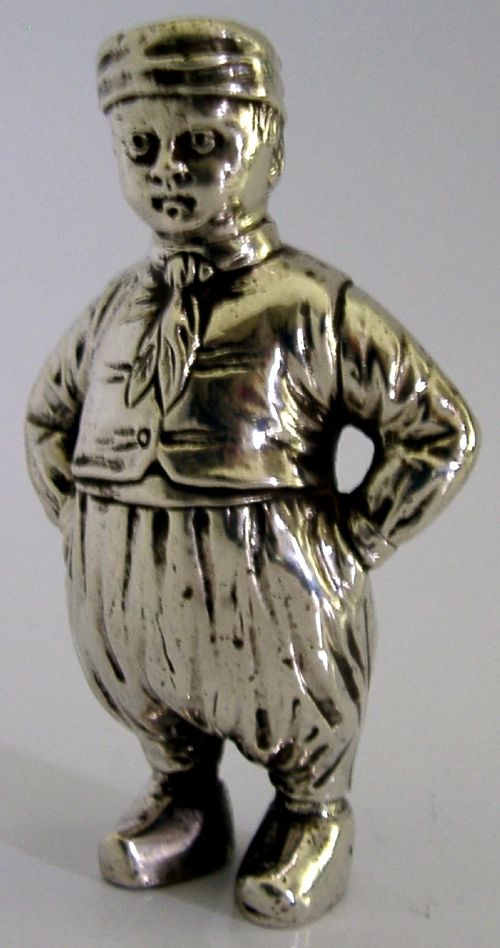
Makers occasionally produced novelty forms, such as figures of boys or dogs, alongside more traditional tableware. Alongside standalone castors, you also encounter preserve dishes and cruet sets that incorporate these functional vessels.
How they were made
Silversmiths constructed these vessels using sterling silver, solid silver, 800 silver, and silver plate over base metals. Pierced metalwork formed the removable lids of the castors, allowing the contents to be shaken out evenly.
Silver Table Castors Retail Price Guide 2026
Typical asking prices for silver table castors among the pieces listed under this phrase on Sellingantiques today, from the lower quarter to the upper quarter. They describe what is for sale here now, not the wider market.
Listings span the nineteenth and twentieth centuries, featuring Victorian, Edwardian, and Georgian styles in silver plate, sterling silver, and glass.
What varies in quality
Quality in these pieces rests upon the crispness of the pierced work on the lids and the weight of the metal utilised in the body. Heavier solid silver and sterling pieces demonstrate greater substance than lighter plated alternatives.
The integration of materials also defines the tier of a piece, particularly where cut glass bottles meet fitted silver mounts or where decorative novelty forms show detailed casting.
Bricks & Sons
The Silver Table Castors Glossary
- Castor
- A small container with a perforated lid used for sprinkling sugar or pepper over food. They sit on the dining table for individual seasoning.
- Cruet set
- A matched collection of bottles and pots held in a stand, used for holding condiments and seasonings. These frames often include handles for passing around the table.
- Silver plate
- A thin layer of silver applied to a base metal core, common in nineteenth-century tableware production. This technique offered the appearance of solid silver at a lower cost.
- Silver gilt
- Silver that has been coated with a thin layer of gold on the surface. This treatment provides a rich two-tone effect, often seen on interior baskets and mounts.
- Cranberry glass
- A rich pinkish-red glass created by adding gold chloride to the molten glass batch. It appears frequently in Victorian preserve dishes and tableware.
Silver Table Castors: Frequently Asked Questions
What is a silver table castor?
A silver table castor is a small vessel with a pierced top designed to hold and sprinkle sugar or pepper. They were essential tableware items for seasoning food at the dining table during the Victorian and Edwardian eras.
Today, they function as both decorative table accessories and collectible pieces of antique silver and plate.
How do I use them today?
These pieces can be used on the dining table for their original purpose of dispensing sugar or pepper. Many collectors also display them as part of a larger cruet set or alongside period tableware.
Care should be taken with older silver plate and glass to preserve the original materials during cleaning.
How do I tell Victorian from Edwardian pieces?
Victorian pieces often feature ornate decoration, Gothic influences, or novelty animal designs dating from the mid to late nineteenth century. Edwardian examples tend to show cleaner lines and reflect styles from the early twentieth century.
Examining the overall weight, form, and any associated marks helps determine the specific period of manufacture.
What materials are common in these castors?
Common materials include sterling silver, solid silver, 800 silver, and silver plate. Many designs also incorporate cut glass, cranberry glass, and velvet or silk elements within fitted cruet frames.
The choice of material often reflects the date and intended quality of the tableware item.