

Silver Table Candles
When you search for silver table candles, you find candlesticks, candelabra and chambersticks designed to hold dining and desk lights.
Silver Table Candles
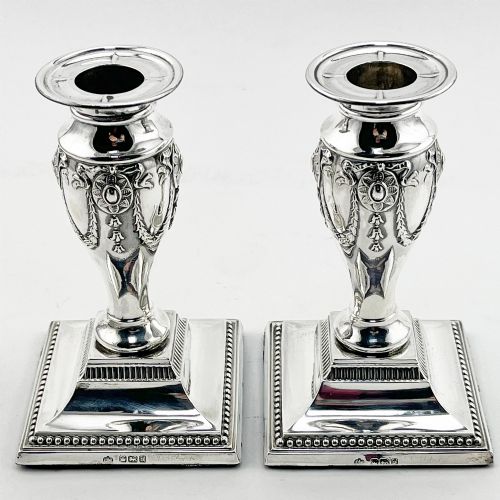
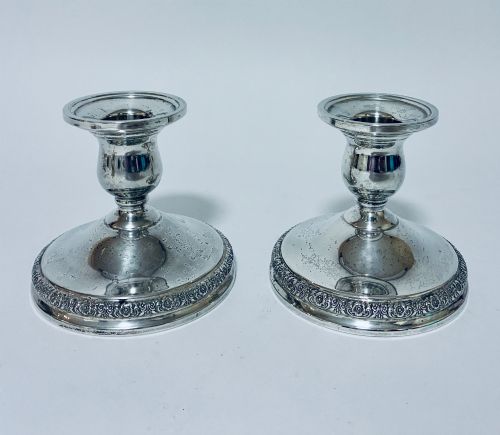
Silver table candles encompass candlesticks, candelabra and chambersticks produced across the eighteenth, nineteenth and twentieth centuries. These objects served to illuminate dining tables, desks and drawing rooms during periods when artificial light relied entirely on wax or tallow. Buyers search this phrase to find functional lighting fixtures that double as decorative centrepieces for the home.
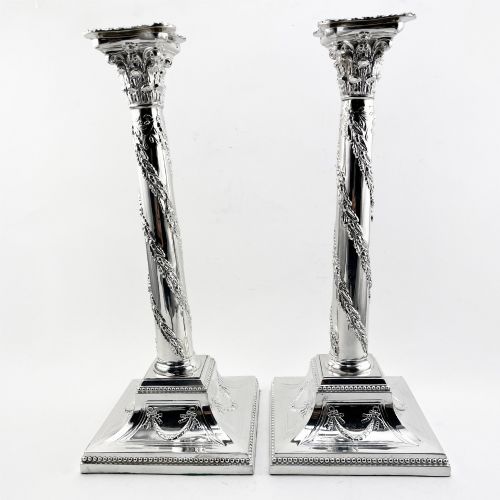
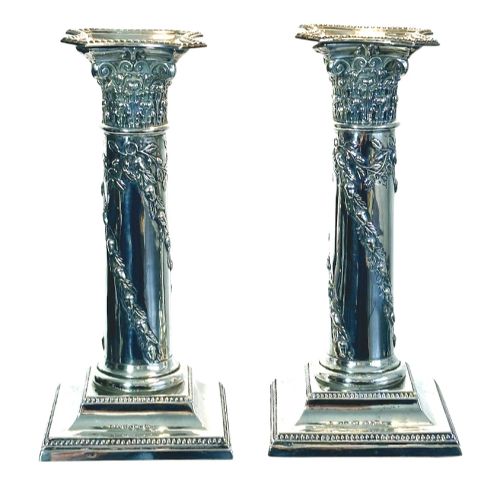
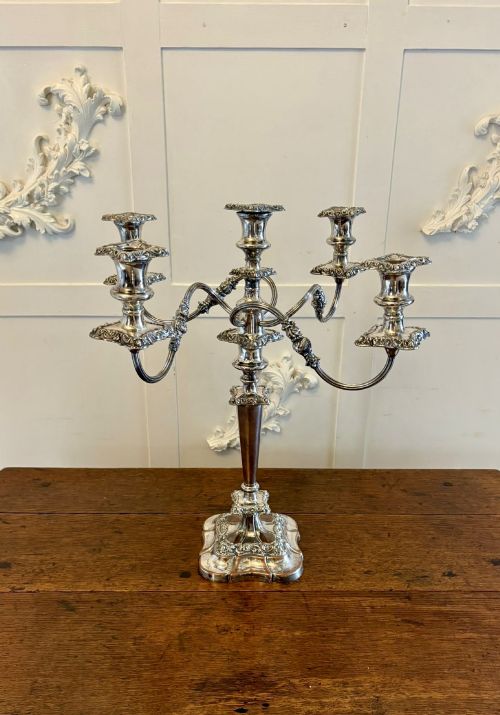
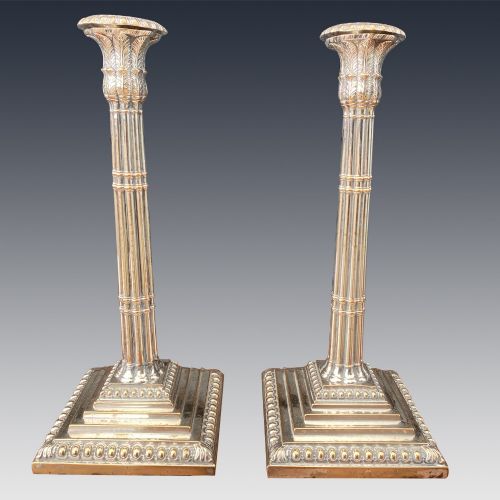
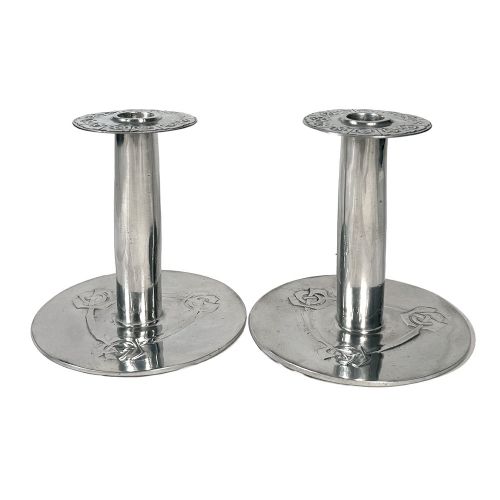
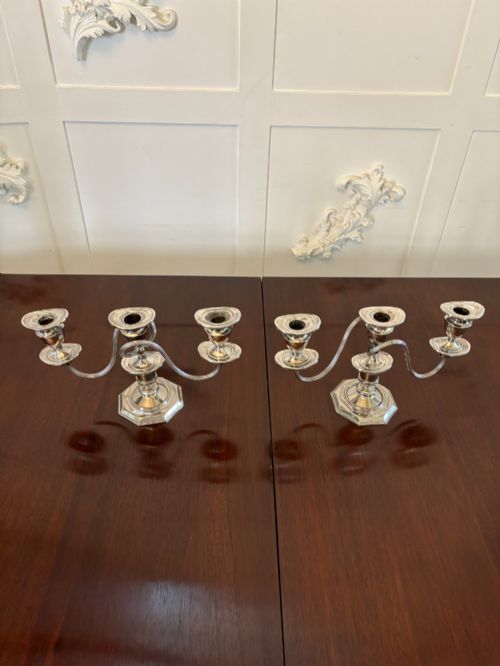
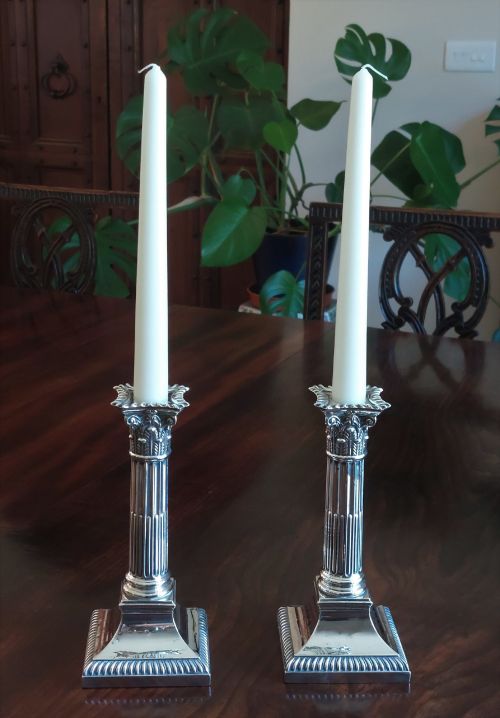
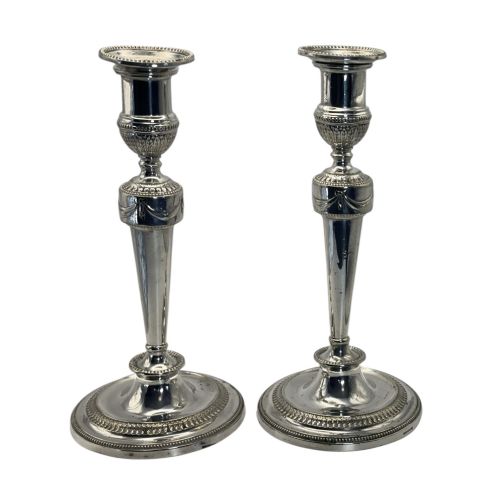
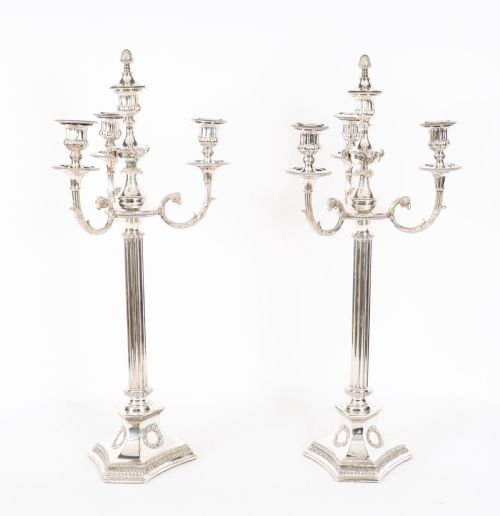
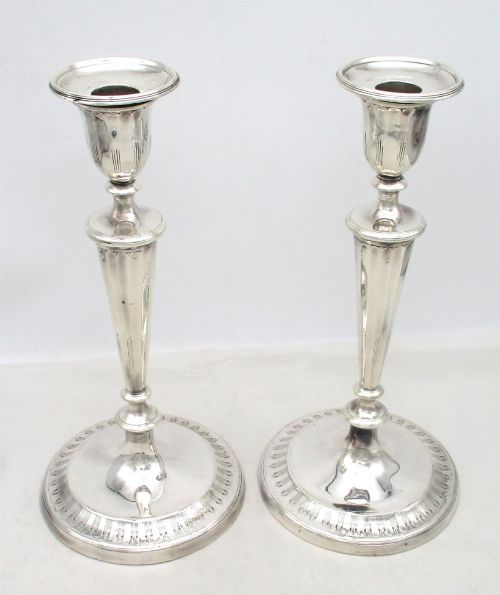
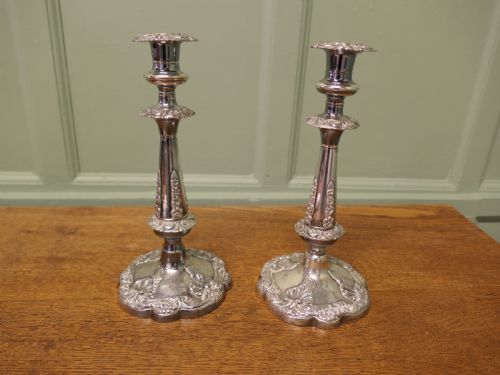
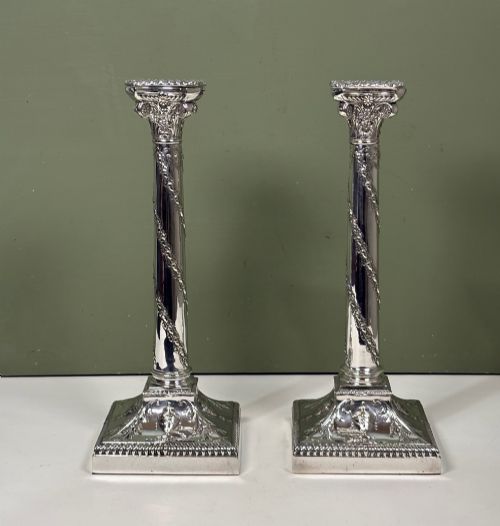
The selections available range from Georgian sterling silver stems and Old Sheffield Plate branches to Victorian silver-plated candelabra and Edwardian desk lamps. Single candlesticks and paired sets appear frequently alongside multi-branch candelabra featuring detachable sconces. Styles span from restrained Neoclassical columns to ornate Rococo Revival designs and Arts and Crafts pewter items.
Materials and construction
Maker workshops produced these items in sterling silver, Old Sheffield Plate and later silver-plated metals over copper or base metal. Sterling pieces utilise solid silver construction, often bearing hallmarks for London, Birmingham or Sheffield assay offices. Plated items involve fusing thin sheets of silver to copper cores or applying silver layers onto base metal substrates.
Casting and chasing techniques shaped the heavier columns and figural bases, while sheet metal was hammered, rolled or spun for simpler stems and drip pans. Removable sconces and detachable branches allowed users to convert multi-light candelabra into single candlesticks for smaller spaces.
Silver Table Candles Retail Price Guide 2026
Typical asking prices for silver table candles among the pieces listed under this phrase on Sellingantiques today, from the lower quarter to the upper quarter. They describe what is for sale here now, not the wider market.
Certain nineteenth-century models depict cavaliers and ladies holding candle sockets, bringing miniature theatre to the dining table.
Factors determining quality
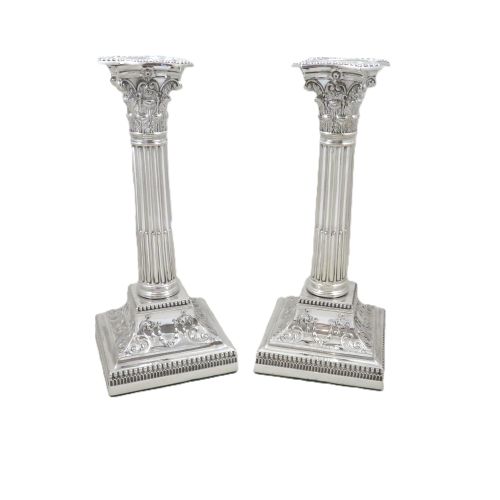
Quality depends on the crispness of the chasing and the integrity of the underlying metal structure. Superior examples maintain sharp detail in cast decorative motifs such as acanthus leaves, fluting and figural elements, whereas lower-grade pieces show worn casting and soft edges from excessive polishing.
The preservation of the silver layer on plated items marks another distinction. Higher-grade Old Sheffield Plate and silver plate retain even metal coverage without excessive base metal bleed-through, while lesser pieces exhibit extensive wear and repairs around the weighted bases.
Elkington and Co·Liberty and Co·Garrard and Co·Mappin and Webb·Matthew Boulton·James Fenton·John Cafe
The Silver Table Candles Glossary
- Sconces
- Removable metal cups fitted to the top of a candlestick to catch melting wax. These pieces lift out to ease cleaning after use.
- Old Sheffield Plate
- A composite material formed by fusing a thin sheet of silver onto a thicker copper ingot. This technique predates modern electroplating.
- Candelabra
- A branched lighting fixture holding multiple candles upon a single central stem. Many historical examples include detachable branch units.
- Chamberstick
- A low candlestick fitted with a handle and a shallow drip pan. Users carried these small holders through corridors at bedtime.
- Corinthian Column
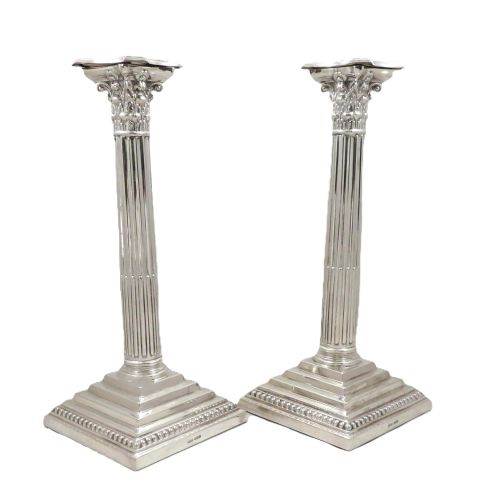
- A classical architectural column form frequently utilised for candlestick stems. The capital displays ornate acanthus leaves and scrolls.
Silver Table Candles: Frequently Asked Questions
How were table candles used historically?
Households relied on these lighting fixtures before the invention of electric illumination. Servants placed them on dining tables, sideboards and desks to provide illumination for evening meals and reading.
Detachable branches and removable sconces allowed users to adapt the fixtures for different occasions. Chambersticks featured built-in handles specifically for carrying flame through dark hallways.
How do I care for silver table lighting?
Silver and silver-plated surfaces require gentle cleaning with appropriate polishes to maintain the metal finish without removing the plating layer. Soft cloths prevent scratching during routine maintenance.
Users should remove old wax by placing components in warm water rather than scraping the metal. This protects the historic surface from unnecessary tool marks.
How do I identify the period of a piece?
Makers' marks, assay office stamps and date letters stamped into the silver provide precise manufacturing years on sterling items. Georgian and Victorian stylistic indicators offer further clues when hallmarks are absent.
Construction methods such as Old Sheffield Plate versus nineteenth-century electroplating help distinguish earlier production eras. Neoclassical columns point toward the eighteenth and early nineteenth centuries, while Arts and Crafts pieces reflect early twentieth-century design reforms.