
Silver Serving Plates
Silver serving plates bring weight and polish to a table, offering generous surfaces for presentation that survive from the Victorian and Edwardian eras.
Silver Serving Plates
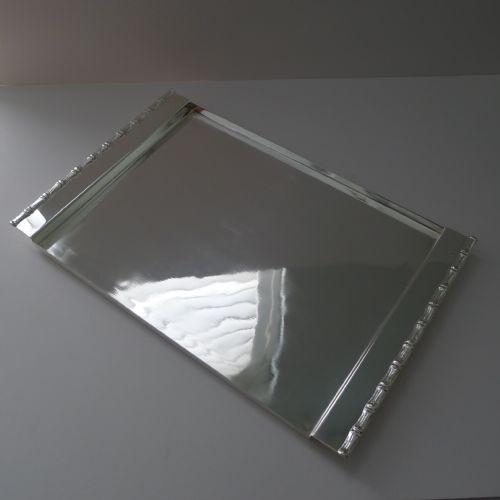
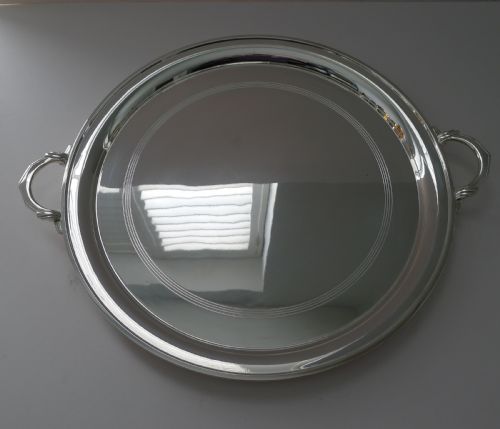
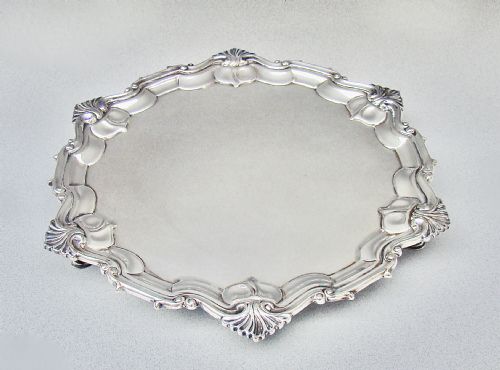
When you search for silver serving plates, you encounter a variety of forms designed for presentation, including tea trays, salvers, gallery trays, and platters. The pieces available span the nineteenth and twentieth centuries, originating from English workshops and continental makers.
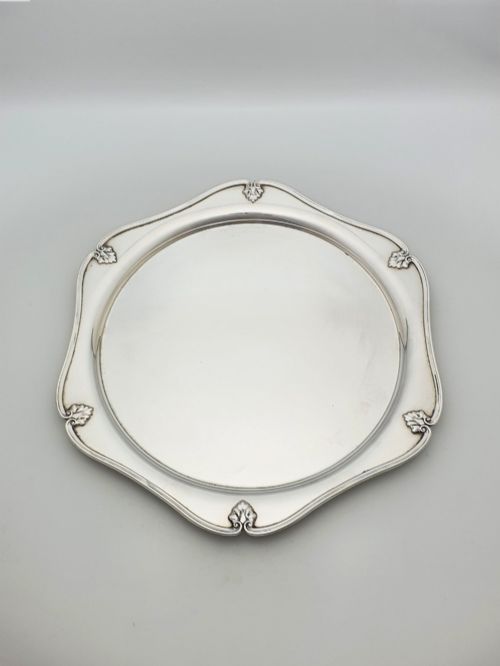
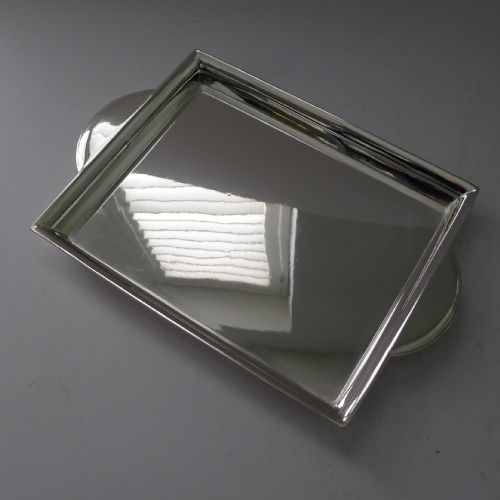
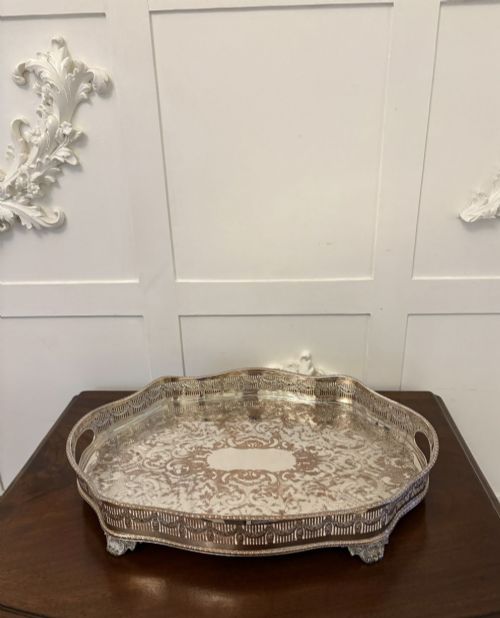
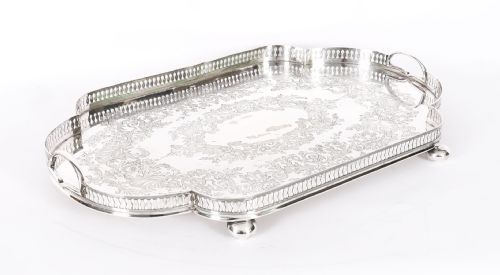
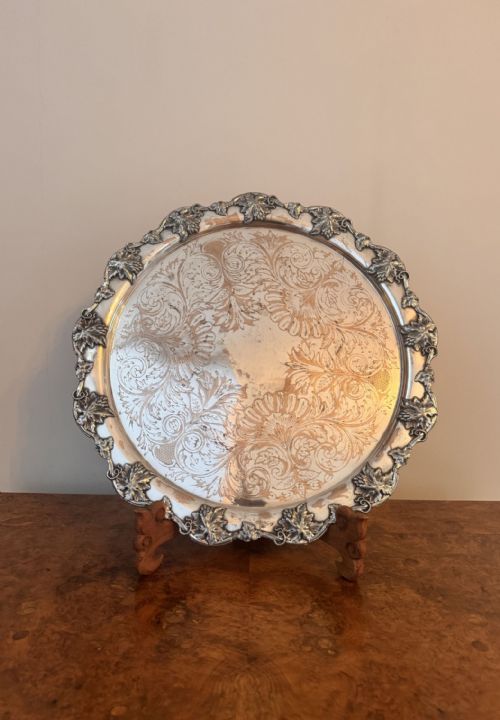
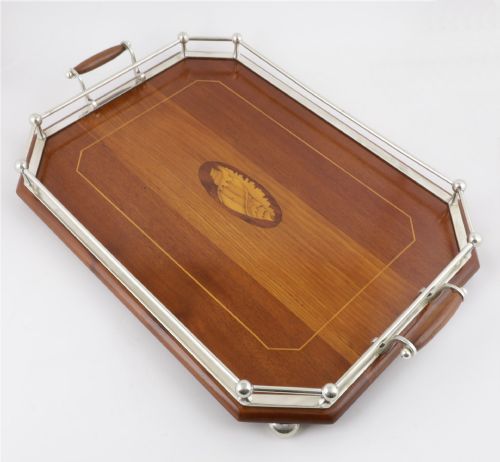
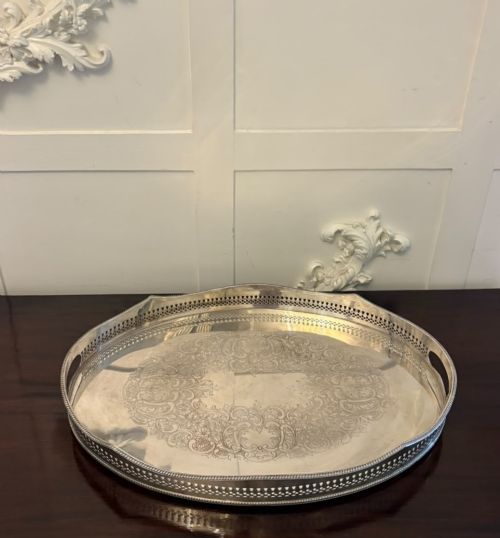
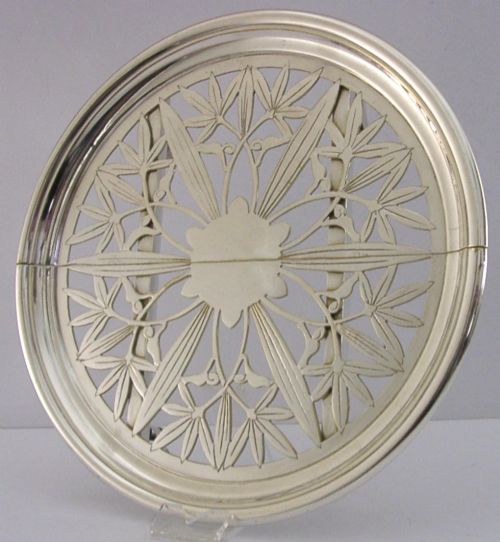
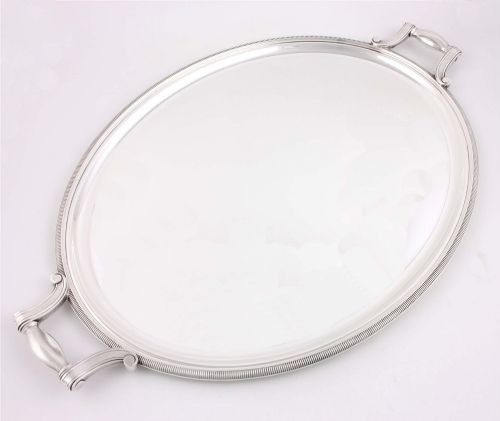
You are most likely to meet Edwardian and Victorian silver plated trays on this page, often featuring engraved surfaces or pierced borders. These items range from circular salvers to large octagonal and oval serving dishes meant for formal hospitality.
Materials and Construction
Makers utilised silver plate, electroplated nickel silver, and Old Sheffield plate over copper or base metal foundations. These metals provided the brilliance of solid silver while maintaining durability for daily hospitality.
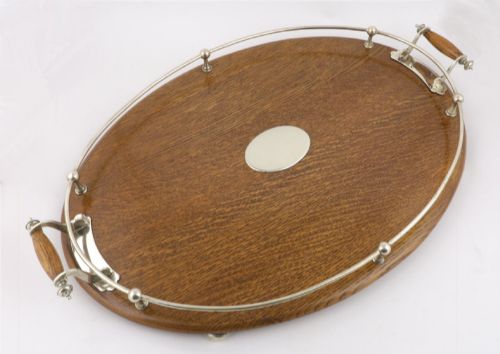
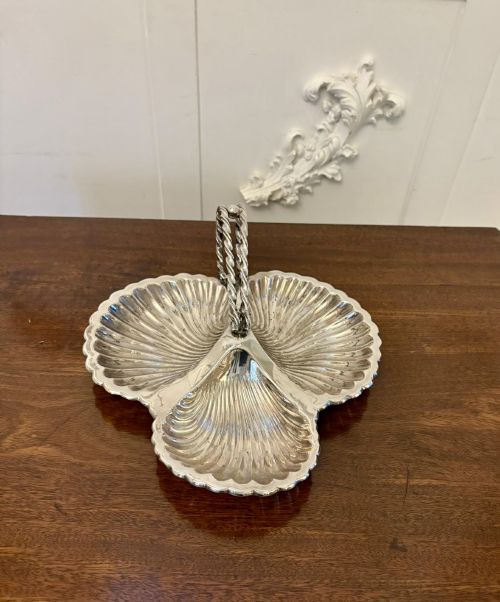
Details such as applied grapevine borders, shell inlay, pierced galleries, and ebonised wood elements required skilled metalworking and assembly. Silver plating processes allowed workshops to apply thin layers of silver uniformly across base metals.
Listings feature silver plate, copper, and nickel silver across periods spanning the Victorian era to the mid-twentieth century.
Evaluating Quality
Quality rests upon the crispness of the engraved decoration and the integrity of the underlying metal. Pieces displaying deep, hand-engraved motifs and substantial weight show superior craftsmanship compared to lighter equivalents.
The durability of the silver plating and the attachment of handles or galleries dictate the longevity of a tray. Workshops known for high standards applied thick silver layers that endure through decades of use.
Mappin & Webb·James Deakin·William Hutton & Sons·Thomas Bradbury & Sons·Elkington·Daniel Arter·Hukin & Heath·Christofle
The Silver Serving Plates Glossary
- Salver
- A flat plate or tray, typically round with feet, used for serving drinks or food. These items often feature detailed engraving across the central surface.
- Gallery tray
- A tray distinguished by an openwork metal rail or pierced border surrounding the edge. This architectural feature kept items secure during service.
- Silver plate
- A metal object formed from a base metal such as copper or nickel silver coated with a layer of pure silver. This technique became widespread during the nineteenth century.
- Old Sheffield plate
- A material produced by fusing a sheet of silver to a thick copper core before rolling them together into plates. This method creates a distinct edge where the copper base becomes visible.
- Entree dish
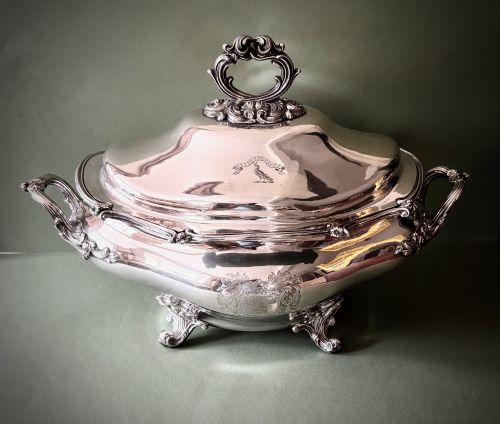
- A covered serving vessel intended for presenting main courses at the table. These pieces often include matching lids and warming bases.
Silver Serving Plates: Frequently Asked Questions
How do I clean silver plated serving trays?
Use a soft cloth and a specialised silver polish formulated for plated items to remove tarnish gently. Avoid abrasive pads that can wear through the thin silver layer.
Wash the tray in warm soapy water immediately after use and dry it thoroughly with a lint-free cloth to prevent moisture spots.
Can I use antique trays for serving food?
Most silver plated serving plates and trays remain fully functional for presenting food and drinks during gatherings. Ensure the surface plating remains intact without exposed base metal before direct food contact.
For pieces with wooden elements or delicate applied borders, dry wiping is preferable to soaking them in water.
What is the difference between a salver and a tray?
A salver typically refers to a smaller, footed circular plate used for presenting glasses or letters. Trays are generally larger, flat serving surfaces equipped with handles or raised rims.
Both forms served hospitality functions in Victorian and Edwardian households.
How can I tell the age of a silver plated tray?
Examine the style of engraving, border motifs, and any maker marks stamped on the reverse or rim. Victorian and Edwardian pieces often exhibit distinct floral engraving or geometric Art Deco patterns.
Materials like Old Sheffield plate indicate an earlier eighteenth or early nineteenth century origin compared to later electroplated nickel silver.