

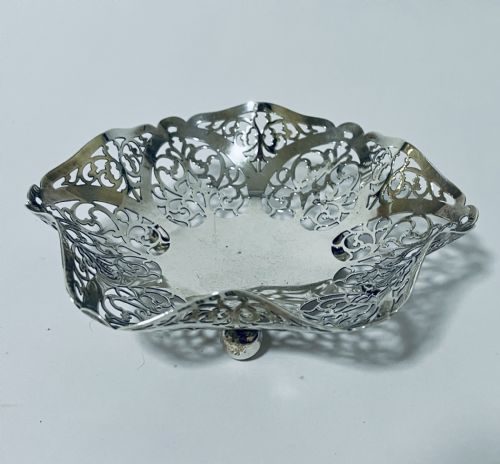


Silver Scallop Dishes
Silver scallop dishes are sculptural tableware forms modelled on marine shells, prized by collectors for their fluid lines and versatility at the dining table.
Silver Scallop Dishes
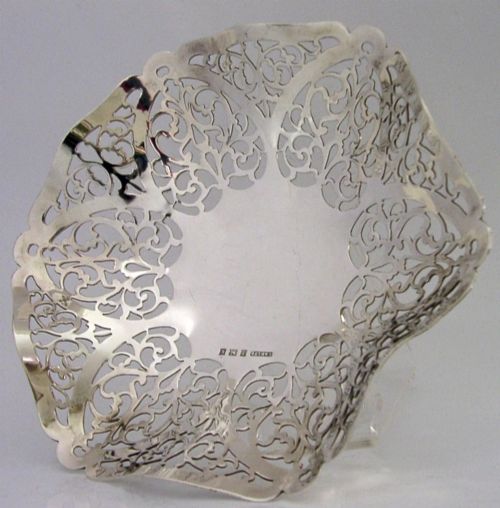
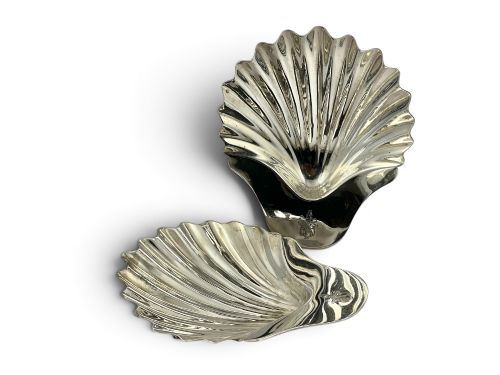
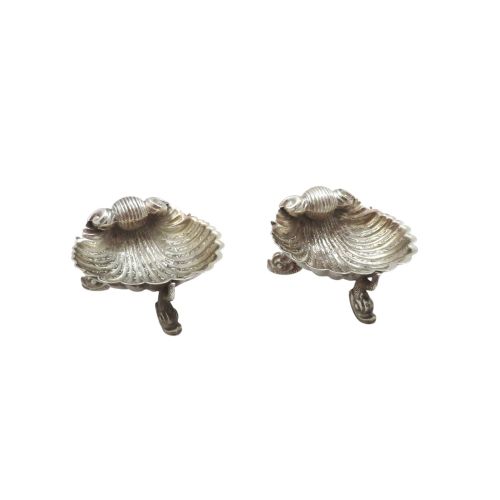
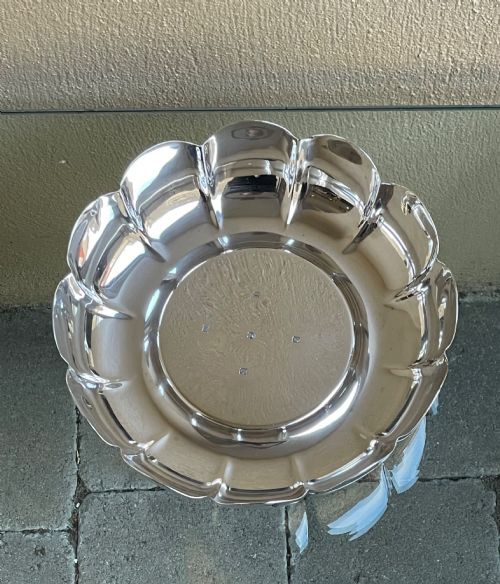
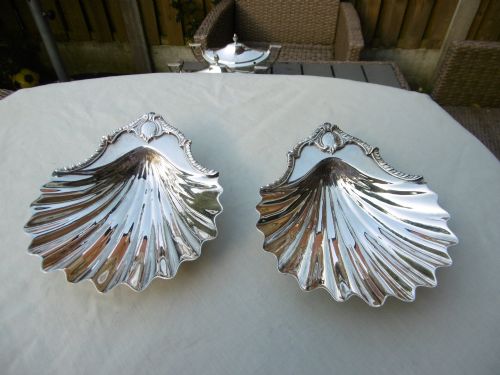
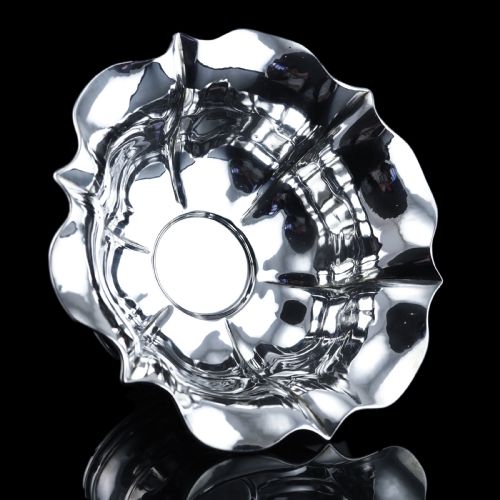
Silver scallop dishes encompass functional tableware and decorative receptacles modelled closely on natural marine shells, spanning Georgian, Victorian, and Edwardian periods. Collectors encounter these forms in various configurations, including butter dishes, salt cellars, bonbon dishes, and strawberry bowls.
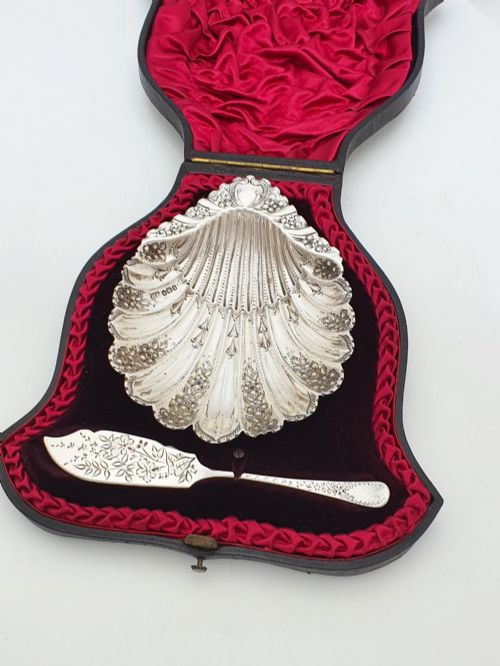
The material composition ranges from solid sterling silver to silver plate and electroplated nickel silver, occasionally accompanied by fitted leather or velvet cases. Styles shift from the exuberant scrolls of Georgian Rococo to Victorian naturalism and the clean linear grace of later decades.
How they were made
Silversmiths utilised traditional hammering and casting techniques to achieve the characteristic ribbed fluting and concave curves of a natural shell. Molten or sheet metal was shaped, chased, and engraved to define the hinge, ribs, and interior contours.
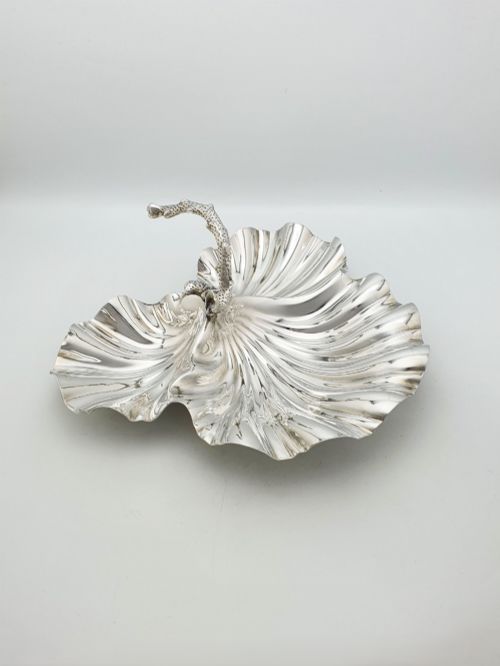
Many examples incorporate cast decorative elements such as stylised coral handles, ball feet, or gilded interiors known as silver gilt. Plated variations apply a thin layer of silver over base metals like copper or nickel silver to emulate solid metal construction.
Silver Scallop Dishes Retail Price Guide 2026
Typical asking prices for silver scallop dishes among the pieces listed under this phrase on Sellingantiques today, from the lower quarter to the upper quarter. They describe what is for sale here now, not the wider market.
Some Victorian butter dishes come equipped with handles shaped like stylised coral, bringing a touch of the seabed to the dining table.
What varies in quality
The distinction between standard utility items and exceptional pieces rests in the crispness of the chasing and the weight of the metal. Crisp, deep relief work along the ribs and a substantial gauge of silver indicate superior workshop output.
Maker reputation and the presence of original fitted presentation cases or associated serving implements elevate the standing of a piece. Finer examples retain intact gilding inside the bowl and cast supports that balance the vessel without rocking.
William Plummer·Goldsmiths And Silversmiths·Edward Farrell·Thomas Smily·James Deakin·Tiffany And Co
The Silver Scallop Dishes Glossary
- Sterling silver
- An alloy containing a high proportion of pure silver combined with other metals to ensure durability in household articles. This standard is frequently denoted by official assay office hallmarks.
- Silver plate
- A manufacturing method where a thin layer of silver coats a base metal substrate, such as copper or nickel. This technique provided an accessible alternative to solid silver for middle-class households.
- Repoussé
- A metalworking technique where the artisan hammers the metal from the reverse side to form a raised design on the front. This method creates the undulating, tactile surface seen on many shell-form dishes.
- Silver gilt
- Silver objects that have received a thin coating of gold applied to their interior surfaces. This treatment protected the silver from tarnishing when in contact with acidic foods like fruit or butter.
- Salt cellar
- A small receptacle used to hold table salt before the advent of free-flowing shakers. These miniature dishes often mirror the larger scallop design on tiny support feet.
Silver Scallop Dishes: Frequently Asked Questions
What were silver scallop dishes used for originally?
These dishes served specialised dining functions, holding portions of butter, fresh strawberries, or condiments like salt at formal meals. Their distinct shell shape made them both decorative table centerpieces and practical serving vessels.
Over successive periods, their use expanded from aristocratic dining rooms to middle-class tea tables, where smaller versions held confectionery or small foodstuffs. Today, collectors utilise them for similar display purposes or as refined desk accessories.
How do I care for antique silver dishes?
Maintenance requires gentle cleaning with a specialised silver cloth or non-abrasive polish to remove tarnish without wearing away thin plate or fine engraving. Avoid harsh chemical dips that strip the natural patination built up over decades.
Store the pieces in dry environments away from direct sunlight, and utilise velvet-lined compartments or acid-free tissue paper if placing them inside fitted presentation cases.
How can I tell solid silver from silver plate?
Examination of the metal underside usually reveals hallmarks indicating the silver standard, maker mark, and assay office for solid pieces. Silver-plated items often display maker codes that denote plating techniques rather than official silver hallmarks.
Weight provides another indicator, as solid sterling pieces feel noticeably heavier than base metal alternatives of identical dimensions. Signs of the underlying base metal showing through worn highlights also confirm plating.
What periods do these silver dishes come from?
The listings span several centuries, starting from Georgian examples characterised by Rococo ornamentation through to Victorian naturalism and Edwardian production. Later pieces extend into the mid-twentieth century.
Stylistic shifts reflect the prevailing aesthetic tastes of each era, moving from ornate chased details towards simpler, functional forms in the decades following the First World War.