




Silver Scallop Dish
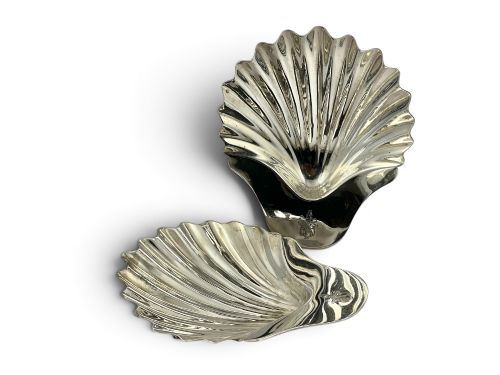
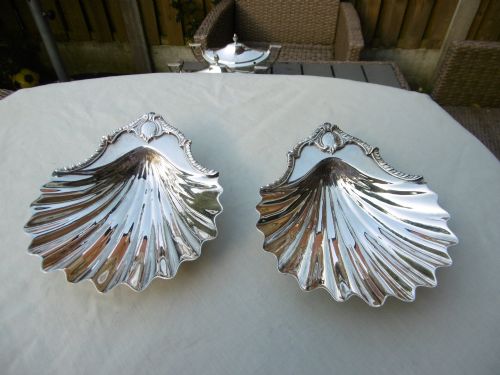
A silver scallop dish brings marine form and functional elegance to the table, taking the shape of a natural shell in gleaming metal.
Silver Scallop Dish
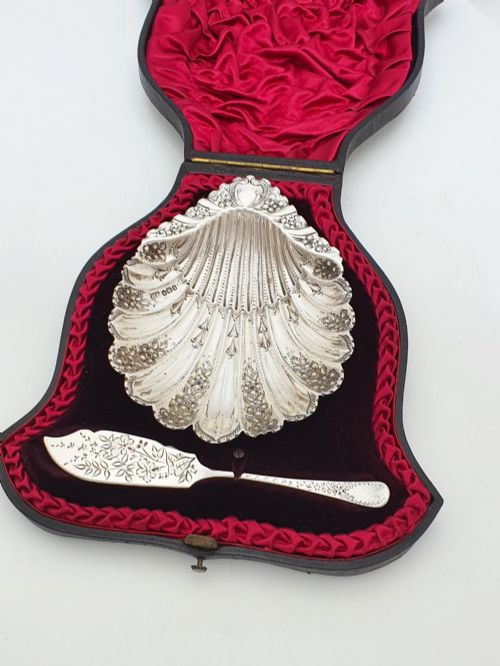
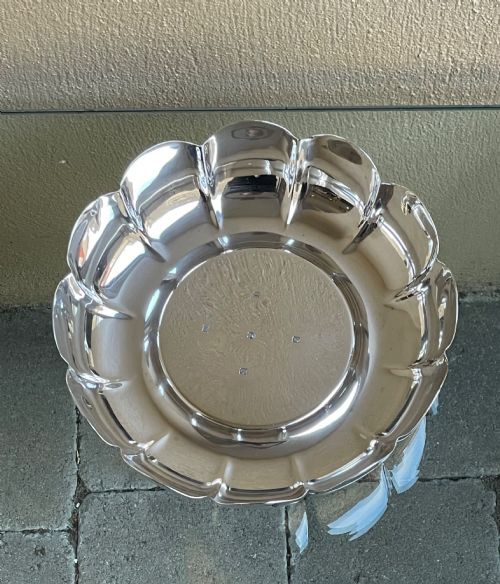
When you search for a silver scallop dish, you encounter pieces shaped closely after natural marine shells, ranging from small individual butter dishes to larger serving vessels. The versions most frequently met on this page span the Georgian, Victorian, and Edwardian eras, appearing in both solid sterling silver and silver plate.
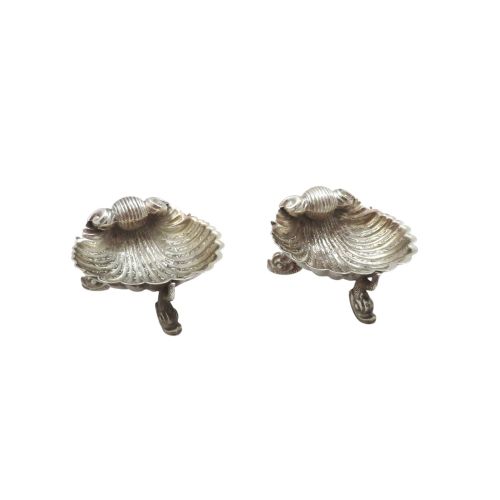
Many examples double as salt cellars or butter dishes, often raised on small ball feet or resting directly on their fluted hinges. Others function as sweetmeat or bonbon dishes, utilising the radiating ribs of the shell to catch the light on a dining table or sideboard.
Origins stretch from English workshops in London and Birmingham to continental makers, with occasional pieces incorporating glass liners or stylistic nods to rococo design.
How they were made
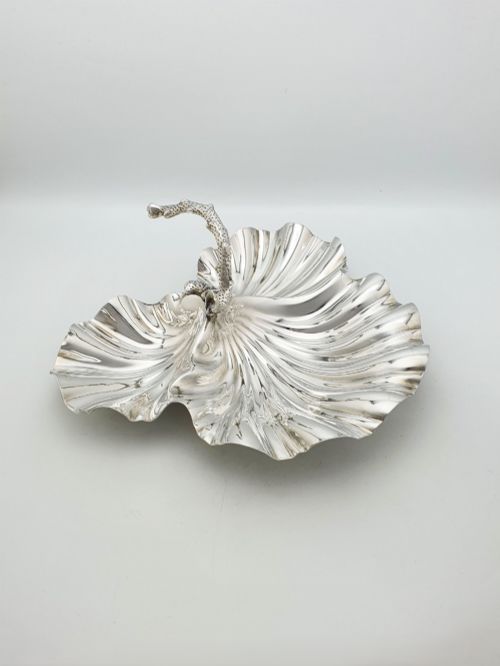
Silversmiths constructed these dishes using sterling silver or silver plate over a base metal, often shaping the metal through hammer work and chasing to define the deep ribs of the shell. Cast elements such as coral handles, ball feet, or ornate rococo borders were then soldered onto the main body.
Electroplated nickel silver also appears among the listings, providing a durable alternative using an electrical current to bond a thin layer of silver to a base metal. Some pieces feature gilt interiors or glass liners, adding colour and texture to the finished vessel.
Silver Scallop Dish Retail Price Guide 2026
Typical asking prices for silver scallop dish among the pieces listed under this phrase on Sellingantiques today, from the lower quarter to the upper quarter. They describe what is for sale here now, not the wider market.
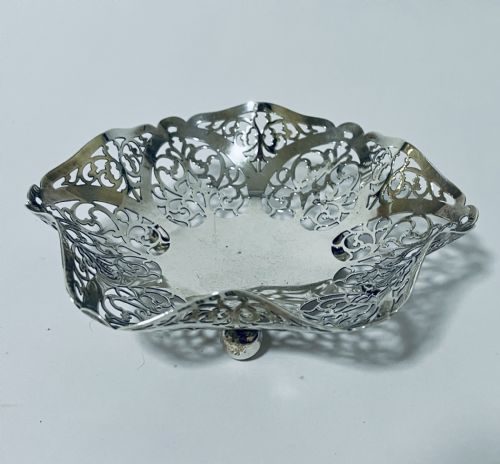
The archive records pieces with glass liners and delicate pierced bodies spanning multiple centuries.
What varies in quality
The distinction between standard items and superior examples lies in the crispness of the chasing and the weight of the metal used in construction. Heavier gauge sterling silver maintains its structural integrity and sharp definition along the fluted ridges over centuries of use.
Maker reputation and engraved detailing also set pieces apart, with recognised silversmiths demonstrating greater control in balancing the naturalistic curve of the shell with a stable base. Pieces retaining clear hallmarks and fitted cases represent a higher tier of craftsmanship.
William Plummer·The Goldsmiths & Silversmiths·Edward Farrell·Thomas Smily·James Deakin·Henry Atkin·Peter Archambo I·Tiffany Co·WMF
The Silver Scallop Dish Glossary
- Sterling silver
- An alloy consisting of pure silver and other metals, usually copper, meeting a specific standard of purity. This material forms the primary substance for high-quality antique tableware.
- Silver plate
- A layer of silver applied to a base metal such as copper or nickel silver. This technique offered a more accessible option for domestic dining wares.
- Hallmark
- A series of official marks stamped on items to show the metal standard, the assay office, and the year of manufacture. These symbols provide the definitive record of a piece's origin.
- Rococo
- A decorative style characterised by asymmetric ornamentation, scrollwork, and organic curves. This aesthetic heavily influenced the ornate borders and handles seen on eighteenth and nineteenth-century examples.
- Bonbon dish
- A small decorative vessel intended for holding sweets or confectionery. These items often feature pierced bodies or delicate pedestals.
Silver Scallop Dish: Frequently Asked Questions
What were silver scallop dishes used for?
These dishes primarily served butter, small sweets, or individual portions of seafood during formal meals. Their shell shape made them both decorative and practical for side service.
Over time, many found a second life as general table ornaments or salt cellars, prized for their ability to reflect light and add texture to a table setting.
Are silver plated dishes worth collecting?
Silver plated items offer an accessible entry point into collecting antique tableware without compromising on aesthetic appeal. Many plated pieces feature the same intricate chasing and design quality as solid silver counterparts.
Examining the preservation of the plating and the quality of the underlying base metal helps determine the enduring appeal of each individual item.
How should I care for antique silver?
Maintaining antique silver involves gentle cleaning with specialised cloths and non-abrasive polishes to preserve the surface details. Regular handling helps prevent uneven tarnishing while keeping the metal clean.
Storing pieces away from direct moisture and harsh chemicals ensures the silver retains its natural lustre for daily display or occasional use.