


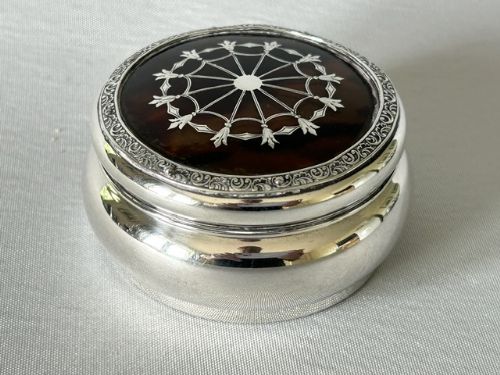


Silver Ring Container
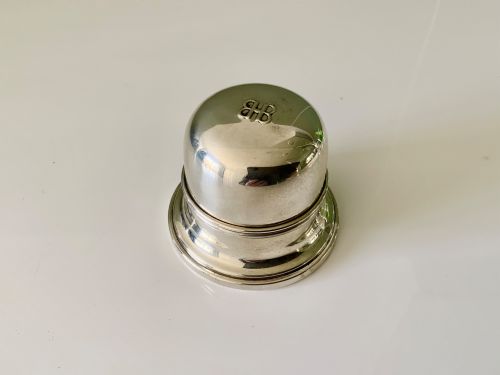
These silver ring containers are charming dressing table boxes designed to keep small treasures secure, crafted to grace any dresser.
Silver Ring Container
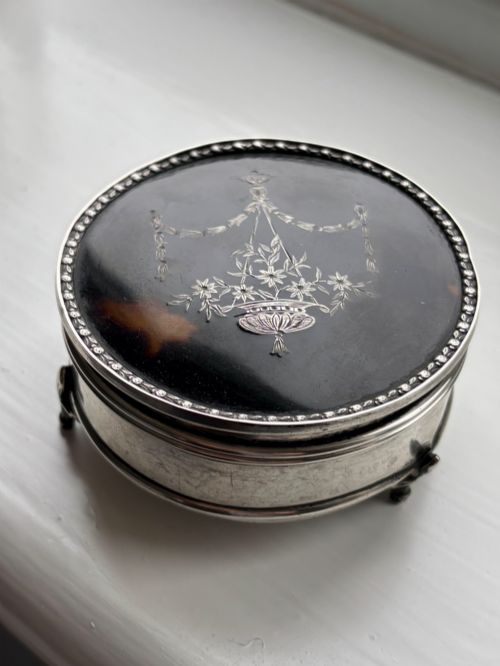
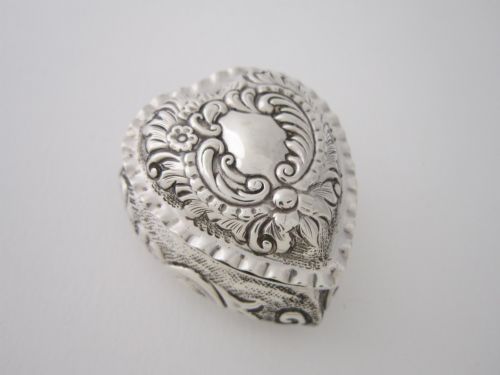
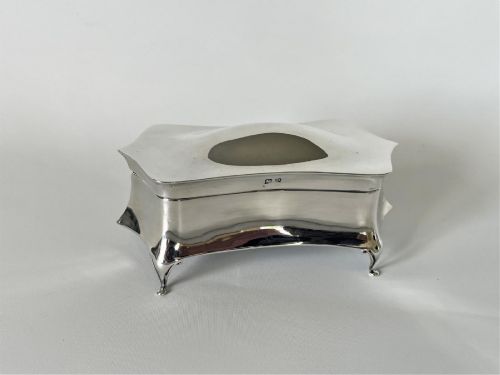
A silver ring container encompasses small trinket and pill boxes fashioned from sterling silver, silver plate, and tortoiseshell. When searching for a silver ring container, buyers encounter heart-shaped boxes, oval vessels, and dressing table pieces dating from the Victorian, Edwardian, and George V periods.
The selections on this page span from the late nineteenth century into the 1920s, reflecting the domestic habits of earlier decades. Most examples take the form of small trinket boxes or dressing table boxes intended for rings, cufflinks, and small pins.
Makers such as Ollivant & Botsford, Asprey & Co., and Henry Williamson Ltd produced these pieces across Birmingham and Chester. The forms range from simple pill boxes to heart-shaped containers adorned with relief work.
How They Were Made
Silversmiths utilised sterling silver and silver plate as the primary structural materials, often incorporating organic elements like tortoiseshell and faux tortoiseshell for lids and decorative panels. Pique work appears on select pieces, inlaying tiny gold or silver points into tortoiseshell surfaces.
Construction techniques include press moulding for hearts and ovals, detailed hand-chasing for cherub relief motifs, and precise hallmarking to denote town and year. Hinged lids fit flush to bases, while interior linings of velvet or satin preserve the contents.
Silver Ring Container Retail Price Guide 2026
Typical asking prices for silver ring container among the pieces listed under this phrase on Sellingantiques today, from the lower quarter to the upper quarter. They describe what is for sale here now, not the wider market.
One novelty silver plated container takes the unusual form of a heavy iron weight.
What Varies in Quality
Quality rests upon the crispness of relief work, such as cherub motifs, and the integration of secondary materials like pique work and tortoiseshell. Crisp hallmarks and substantial gauge silver separate superior boxes from lighter alternatives.
The condition of hinges and the tight closure of lids dictate practical utility, whilst the integrity of faux or genuine tortoiseshell panels influences visual appeal. Pieces bearing marks from notable retailers like Asprey or Ollivant & Botsford often display finer finishing details.
Ollivant & Botsford·Asprey & Co.·Henry Williamson Ltd
The Silver Ring Container Glossary
- Sterling Silver
- An alloy comprising ninety-two point five percent silver and seven point five percent other metals, typically copper. This standard composition forms the main body of most antique trinket and pill boxes.
- Pique Work
- The technique of inlaying tiny pins of gold or silver into tortoiseshell or ivory to create delicate patterns. Artisans used this intricate method to embellish dressing table boxes.
- Hallmark
- A series of official marks stamped on precious metals showing the maker, assay office, and date of testing. These marks allow collectors to date silver ring containers accurately.
- Silver Plate
- A layer of silver fused to a base metal core, often used in novelty items such as biscuit barrels. This technique provided the appearance of solid silver at a lower production cost.
Silver Ring Container: Frequently Asked Questions
How do I date a silver box?
Dating a silver box relies on reading the stamped hallmarks, which indicate the assay office and year of manufacture. Stylistic clues like heart shapes or cherub motifs also help.
Comparing the maker's mark against historical records confirms the exact production period.
Were tortoiseshell boxes common?
Tortoiseshell and faux tortoiseshell frequently appeared on Edwardian and George V dressing table boxes. Craftsmen prized the material for its rich amber and brown tones.
It provided a striking contrast against bright sterling silver mounts and hinges.
How should I clean silver containers?
Silver containers require gentle cleaning with a soft cloth to preserve delicate details and hallmarks. Harsh polishes can wear away thin silver layers over time.
Keeping tortoiseshell dry protects the organic material from warping or cracking.