


Silver Rimmed Jug
A silver rimmed jug marries the weight of precious metal to the heft of glass or salt glaze.
Silver Rimmed Jug
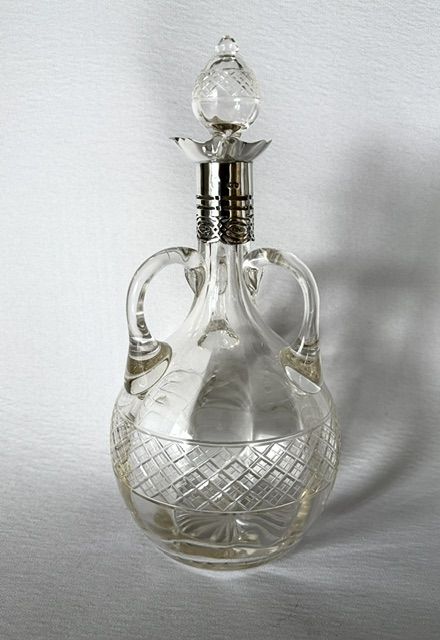
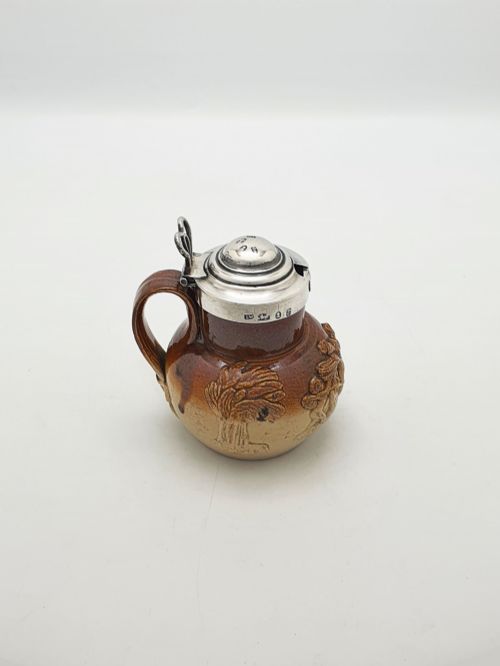
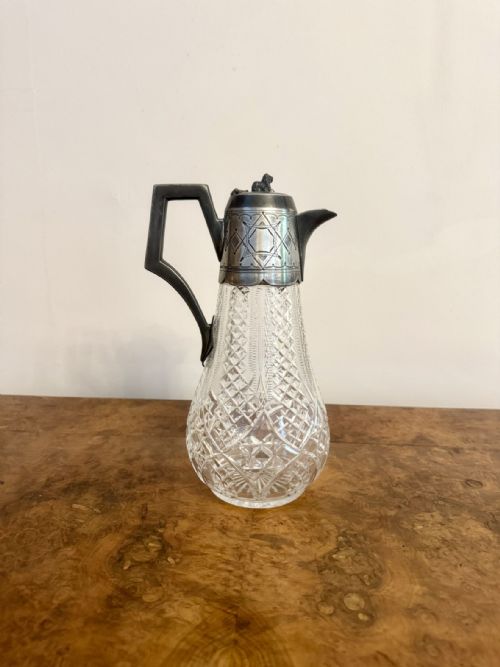
Every silver rimmed jug brings together a vessel of glass, stoneware or salt glaze with a collar of sterling silver or silver plate. You encounter forms ranging from heavy harvest jugs and claret jugs to lemonade pitchers and decanters. The style shifts across periods from Georgian and Victorian through Edwardian to Art Deco.
The most common examples on this page are Edwardian and Victorian glass jugs mounted with silver collars or hinged lids. Stoneware harvest vessels with silver collars also appear frequently, particularly from the nineteenth century. These pieces served practical roles at the dining table or sideboard before surviving as display items.
Materials and Manufacture
Makers formed the bodies of these vessels from cut glass, ribbed glass, lead-glazed ceramics and salt-glazed stoneware. The glass components involve heavy cutting or moulding, while the stoneware bodies display traditional earthy glazes. These durable materials provided a stable canvas for metal ornamentation.
Silversmiths secured the metal mounts around the lips, necks and handles using secure collars, often featuring hinged lids. Working in sterling silver or silver plate, workshops applied mounts that reinforced the pouring edge and added structural contrast to the glass or ceramic body.
Distinguishing Quality
The distinction between standard domestic items and finer pieces lies in the crispness of the glass cutting and the weight of the silver mount. Heavy gauge sterling silver collars and deeply cut crystal elevate the presence of a vessel. Maker attribution also separates workshop output from anonymous production.
Proportion and execution define the better examples. A well-balanced handle, a tight-fitting hinged lid and harmonious proportions between the metal collar and the ceramic or glass body distinguish superior work from utilitarian manufacturing.
Elkington and Co·Tiffany and Co·Hukin and Heath·Doulton Lambeth·Asprey and Co
The Silver Rimmed Jug Glossary
- Sterling silver
- A silver alloy containing 92.5 percent pure silver by mass, widely utilised for the collars and mounts on these vessels.
- Silver plate
- A layer of silver applied to a base metal core, frequently found on large serving jugs and pitchers.
- Salt glaze
- A ceramic finish created by throwing common salt into the kiln during high-temperature firing, producing a distinctive textured surface on stoneware jugs.
- Claret jug
- A specialised pouring vessel designed for wine, combining a glass body with an elaborate silver handle, collar and hinged lid.
- Harvest jug
- A traditional large stoneware vessel, often featuring applied relief decoration and a protective silver rim.
Silver Rimmed Jug: Frequently Asked Questions
How do I clean a silver rimmed jug?
Wash the glass or ceramic body gently in warm soapy water using a soft cloth, taking care not to submerge any vulnerable adhesives or historic cork linings.
Polish the silver collar separately with a non-abrasive silver cloth, ensuring cleaning creams do not stain the surrounding glass or stoneware.
Were these jugs used for wine?
Many specific forms, such as claret jugs and decanters, were expressly designed for serving wine at the dining table during the Victorian and Edwardian eras.
Larger pitchers and lemonade jugs handled water, fruit cordials or iced drinks for social gatherings.
How can I date an antique silver mount?
Examine the silver collar for British hallmarks, which typically include a date letter, a lion passant indicating sterling standard, and a maker mark.
Comparing the style of the glass cutting alongside the shape of the handle provides a secondary guide to the period of manufacture.
Can I use my jug for serving drinks?
Most antique glass and stoneware vessels remain structurally sound for holding water or wine at a modern table.
Check the interior for any stubborn residue and inspect the security of the silver handle mount before filling.