



Silver Plated Warmer
These silver plated warmer examples bring practical dining history straight to the table, offering clever ways to keep food and service pieces hot.
Silver Plated Warmer
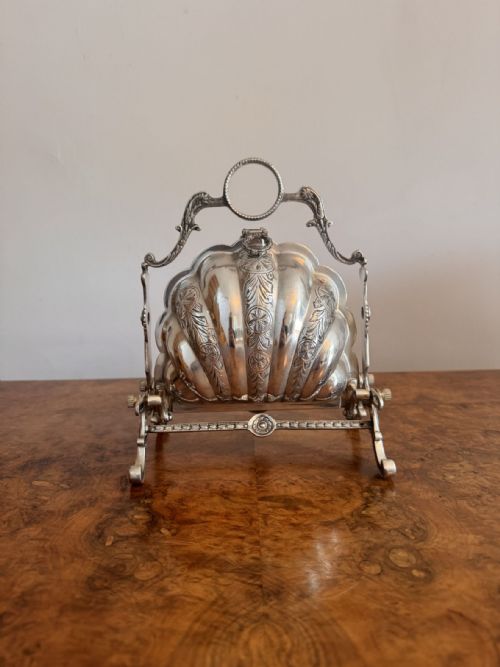
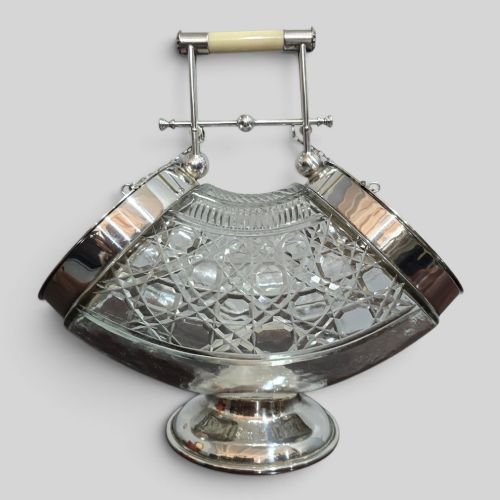
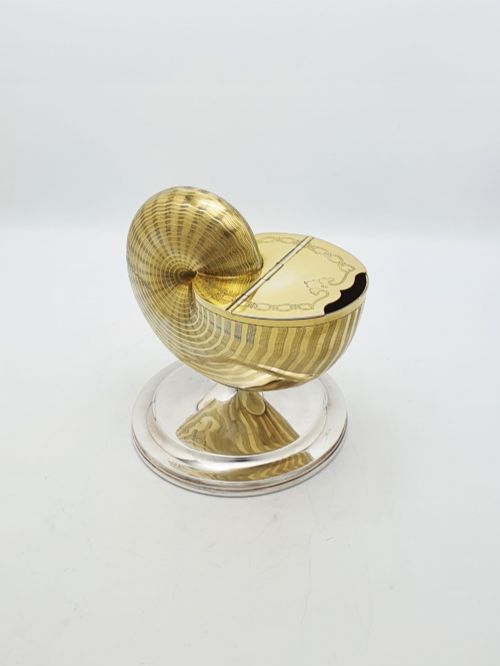
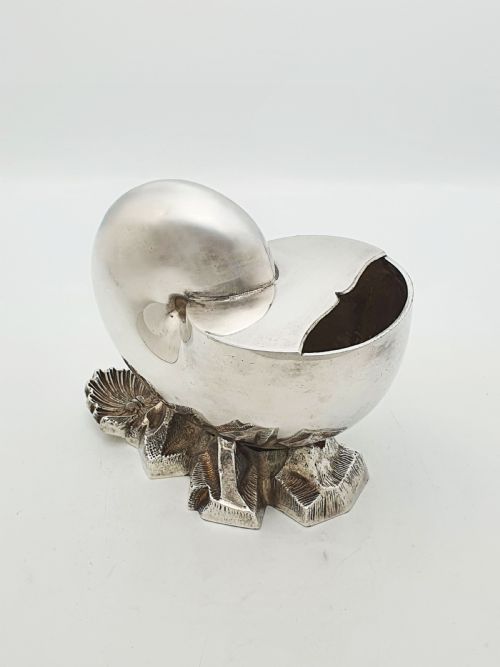
A silver plated warmer serves to keep food, gravy, biscuits, or specific utensils at the correct temperature during a meal. The selection encompasses distinct forms such as biscuit boxes, spoon warmers, argyle gravy warmers, and warming dishes.
Victorian and Edwardian versions dominate the current pieces, spanning periods from the nineteenth century into the early twentieth century. Novelty shapes like nautilus shells, marine buoys, and shoes appear alongside traditional urn and rectangular bodies.
Makers such as Mappin and Webb, Elkington, Fenton Brothers, and Padley Parkin and Staniforth contributed to this category. Pieces range from revolving breakfast dishes to folding shell biscuit boxes.
Materials and methods
Makers utilised silver plate, electroplated nickel silver, and Old Sheffield plate over base metal, copper, and cut glass components. Old Sheffield plate involved fusing a thin sheet of silver to a copper ingot.
Electroplating revolutionised production in the nineteenth century by applying a uniform silver coating via an electrical current. Interior heating mechanisms often involved hot water compartments or burners placed beneath the main vessel.
Silver Plated Warmer Retail Price Guide 2026
Typical asking prices for silver plated warmer among the pieces listed under this phrase on Sellingantiques today, from the lower quarter to the upper quarter. They describe what is for sale here now, not the wider market.
Listings feature items from the Georgian period through to Edwardian times, utilising silver plate, Old Sheffield plate, and cut glass.
Judging the standard
Quality rests on the crispness of the original form and the preservation of the silver plating over the underlying base metal or copper. Complex mechanisms like revolving breakfast dishes or folding shell boxes require precise engineering to function smoothly.
Maker attribution elevates certain pieces, with well-documented firms providing superior finishing and heavier gauge metals. Novelty shapes and detailed ornamentation, such as crested plain bodies or hobnail cut glass, separate standard utilitarian items from finer examples.
Padley Parkin and Staniforth·Mappin and Webb·Dan Holy·Fenton Brothers·Elkington·The Alexander Clark
The Silver Plated Warmer Glossary
- Argyle
- A gravy warmer featuring an internal hot water jacket or tube that keeps sauces warm without diluting them.
- Old Sheffield Plate
- An early method of fusing silver to copper before electroplating became common.
- EPNS
- Electroplated Nickel Silver, a common base metal composition for silver plated items.
- Biscuit Box
- A container, often with folding or revolving shells, designed to keep biscuits fresh and warm at the table.
- Spoon Warmer
- A specialised vessel filled with hot water to warm spoons before serving food.
Silver Plated Warmer: Frequently Asked Questions
How did a spoon warmer work?
A spoon warmer held hot water inside its hollow body to keep silver spoons warm before they touched cold food.
Victorian hosts placed them on the sideboard so guests could pick up a heated spoon.
What is an argyle gravy warmer?
An argyle is a specific gravy boat or sauce tureen with a built-in channel for hot water.
This design kept gravies from congealing during long meals without letting water mix directly into the sauce.
How do I identify Old Sheffield plate?
Old Sheffield plate often reveals a thin reddish copper line where the outer silver layer has worn away at high points.
This technique predates modern electroplating and dates pieces to the late eighteenth or early nineteenth century.
Were biscuit boxes used daily?
Biscuit boxes served dining rooms during formal Victorian and Edwardian breakfasts and afternoon teas.
Their folding or revolving shell lids kept baked goods protected until serving time.