


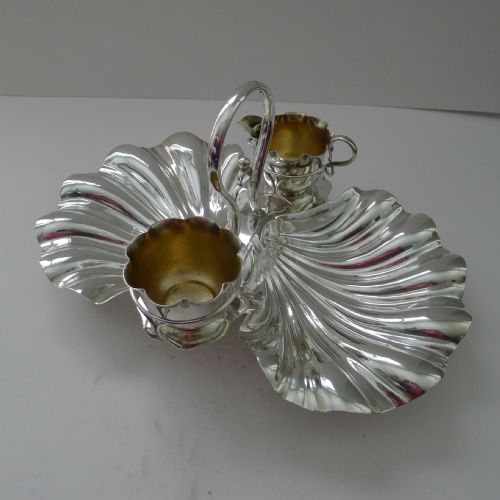


Silver Plated Serving Dishes
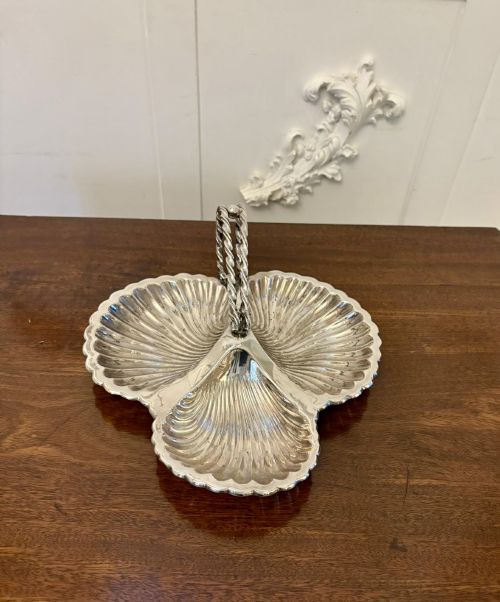
Silver plated serving dishes bring substantial dining table presence through heavy plated mounts, warm copper undertones, and generous Edwardian and Victorian proportions.
Silver Plated Serving Dishes
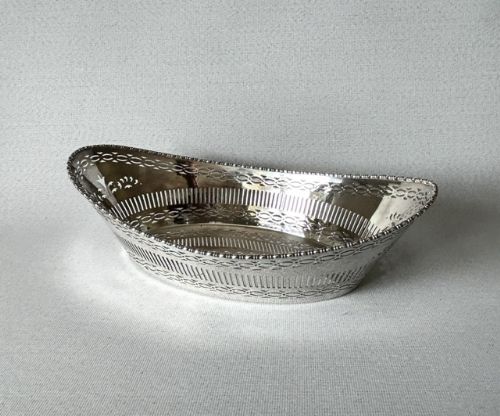
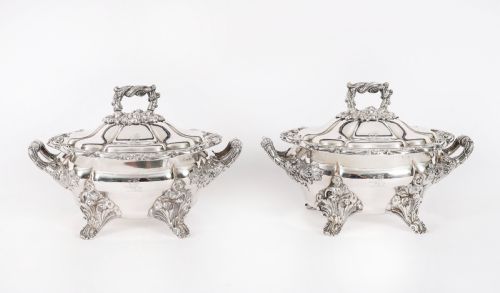
Silver plated serving dishes encompass a wide array of dining utensils designed for formal hosting, primarily spanning the Victorian and Edwardian periods alongside earlier Georgian survivals.
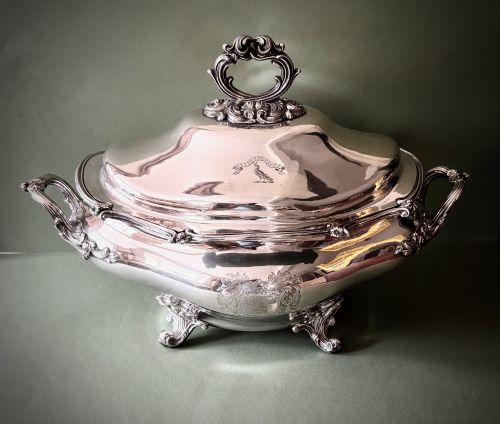
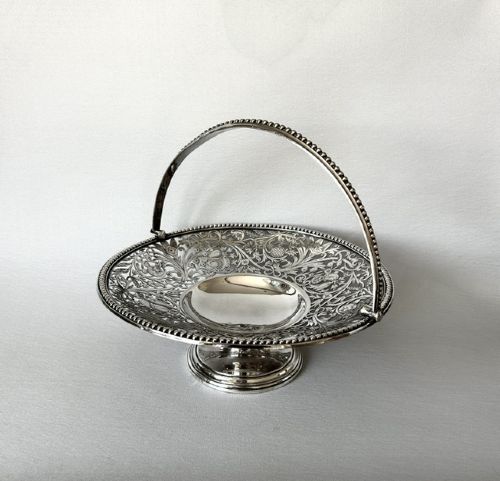
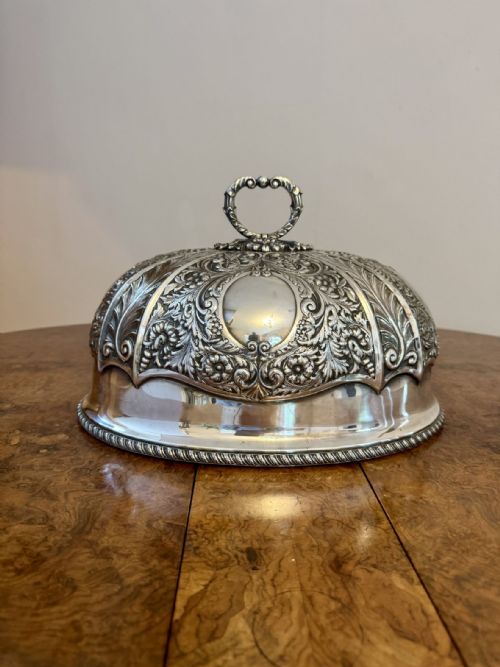
Entree dishes, tureens, bread baskets, and meat domes dominate the forms encountered here, usually manufactured in Britain alongside continental European and American examples.
Makers utilised resilient base metals like copper, nickel silver, and pewter, coating them with precious silver through traditional fusion or modern electroplating methods.
Materials and construction methods
Old Sheffield Plate pieces were produced by fusing a thin sheet of silver to a thick copper ingot under intense heat and rolling the combined metals into usable sheets.
Later Victorian and Edwardian items rely on electroplated nickel silver, commonly known as EPNS, where an electric current deposits a silver layer onto a white metal alloy base.
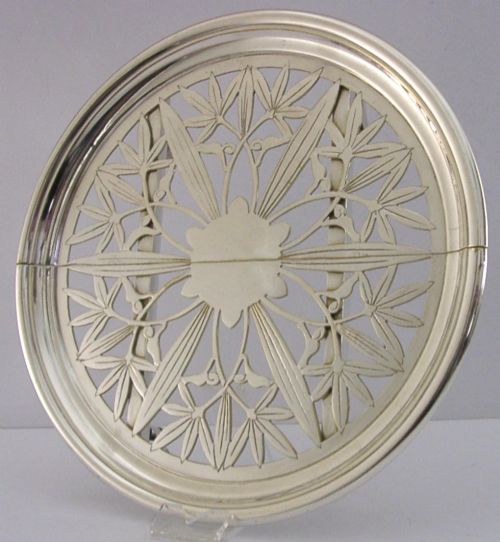
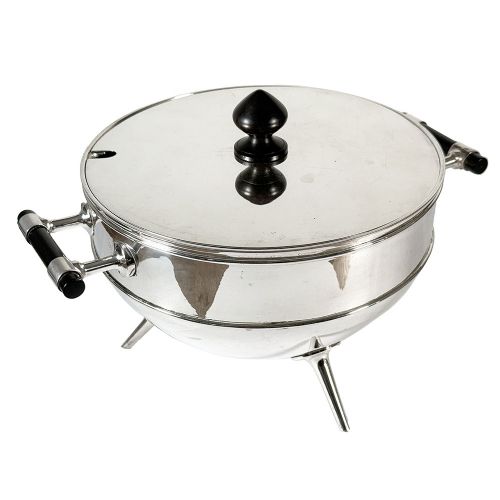
Surface decoration often involves hand engraving, applied cast borders, ebonised wood handles, and structural elements shaped from brass or copper.
Silver Plated Serving Dishes Retail Price Guide 2026
Typical asking prices for silver plated serving dishes among the pieces listed under this phrase on Sellingantiques today, from the lower quarter to the upper quarter. They describe what is for sale here now, not the wider market.
Several pieces feature clever revolving lids and double rollover mechanisms designed to let Victorian diners help themselves without leaning across the table.
Factors determining quality
The thickness of the original silver coating dictates longevity, as heavier plating resists base metal telegraphing through years of polishing and use.
Refinement in cast mounts, crispness of hand-engraved floral motifs, and the structural integrity of hinged mechanisms separate standard utilitarian wares from superior studio productions.
Original matching stands, burners, and lids elevate the utility and completeness of a serving vessel far beyond isolated components.
Mappin & Webb·Christofle·Daniel Arter·Hukin & Heath·Elkington·Henry Wilkinson·Creswick·Matthew Boulton·Walker & Hall·Hamilton & Inches·Tiffany & Co·Roberts and Belk
The Silver Plated Serving Dishes Glossary
- Old Sheffield Plate
- A composite material made by fusing silver and copper together before rolling, often revealing a thin copper line along edges where the base metal shows through.
- EPNS
- Electroplated Nickel Silver, an alloy of copper, nickel, and zinc coated in pure silver via an electrolytic bath, which became standard after the mid nineteenth century.
- Entree dish
- A lidded serving vessel, usually rectangular or oval, designed to keep individual courses warm at the dining table.
- Tureen
- A deep, bowl-shaped serving vessel equipped with a lid and frequently handles, utilised for presenting soups, sauces, or stews.
- Cloche
- A bell-shaped dome cover placed over plates or platters to trap heat and protect food before service.
Silver Plated Serving Dishes: Frequently Asked Questions
How do I clean antique silver plate?
Clean silver plate gently using a non-abrasive silver cream and a soft cloth to preserve the thin metallic layer.
Avoid harsh chemical dips that strip away remaining plating and damage underlying copper or nickel surfaces.
What is the difference between Old Sheffield Plate and EPNS?
Old Sheffield Plate involves physically fusing silver sheets to copper through heat before rolling, creating a distinct layered edge.
Electroplated Nickel Silver relies on electrical current to bond silver onto a white metal alloy base after the mid nineteenth century.
Can I use these dishes for daily dining?
These dishes function well for modern hosting, provided you use wooden or plastic utensils to prevent scratching the soft silver surface.
Hand wash them immediately after use and dry thoroughly rather than placing them inside an automatic dishwasher.
How do I date an unmarked serving dish?
Examine the weight, style of applied cast borders, and base metal composition to align the piece with documented Victorian, Edwardian, or Georgian design conventions.
Maker marks and registration numbers stamped into the underside often provide a reliable decade or year of production.