



Silver Plated Oval Waiter
A silver plated oval waiter is a staple for serving drinks with grace, combining durable base metal with a lustrous silver finish.
Silver Plated Oval Waiter
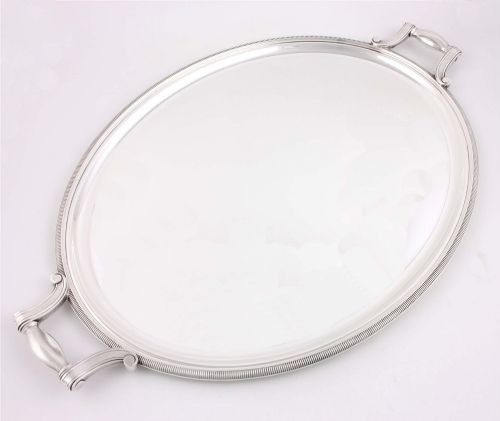
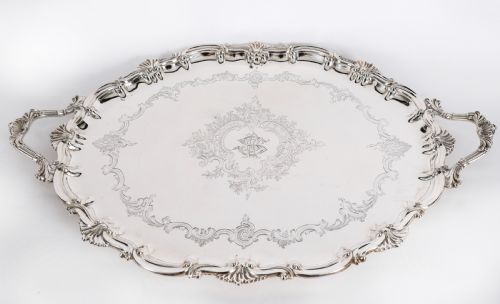
A silver plated oval waiter functions primarily as a serving tray or platter for drinks and cocktails, appearing in forms ranging from compact tea trays to monumental butler sizes. Buyers searching for a silver plated oval waiter encounter serving pieces designed for hospitality, often featuring handles and elevated galleries.
The pieces on this page span several distinct periods including Victorian, Edwardian, and the mid-twentieth century, alongside styles such as French Classic, French Empire, and Art Deco. These items originate from English, French, and German workshops, reflecting diverse design traditions from the nineteenth and twentieth centuries.
Materials and construction
Silversmiths and manufacturers built these waiters using a sturdy base metal or nickel silver foundation, applying a layer of silver plating to achieve the desired appearance. This electroplated technique allowed workshops to produce substantial serving pieces without the prohibitive cost of solid silver.
Decoration was applied through mechanical or hand engraving, creating floral, geometric, or classical motifs across the central field of the tray. Handles, cast borders, and gallery rails were typically manufactured separately and then securely attached to the main body.
Some nineteenth-century butlers must have possessed forearms of iron to lug these monumental silver plated waiters around all evening.
Assessing quality and craftsmanship
Quality in these pieces rests upon the thickness of the original silver plating and the crispness of the engraved decoration. Substantial weight and rigid construction indicate a higher standard of manufacture, preventing the tray from flexing under the load of heavy glassware.
The refinement of cast mounts, handles, and gallery rails separates standard utilitarian pieces from exceptional examples. Makers who invested care in finishing details produced items with balanced proportions and durable joints that withstand regular handling.
Christofle·Thomas Bradbury & Sons·Peters Hamburg
The Silver Plated Oval Waiter Glossary
- Silver Plate
- A thin layer of silver bonded to a base metal core such as copper, brass, or nickel silver. This technique provides the visual appeal of solid silver while maintaining greater affordability and structural rigidity.
- Electroplated Nickel Silver
- A copper, nickel, and zinc alloy coated with a layer of pure silver through an electrolytic process. It serves as a durable foundation commonly utilised in quality nineteenth and twentieth-century serving wares.
- Gallery Tray
- A serving tray featuring an openwork metal railing or balustrade around its perimeter. This raised border prevents decanters and glasses from sliding off during transport.
- Presentation Tray
- A serving piece often commissioned or engraved to commemorate a specific event, person, or organisation. These items frequently display detailed central cartouches and dedicated inscriptions.
Silver Plated Oval Waiter: Frequently Asked Questions
What is a silver plated oval waiter used for?
These pieces function primarily as serving trays for cocktails, tea, and after-dinner drinks. Their curved oval shape makes them particularly suited for passing glasses in social settings.
Historically, they rested on sideboards or were carried by staff to serve guests. Today, they remain practical for entertaining while doubling as decorative tabletop displays.
How do I clean a silver plated oval waiter?
Maintenance requires a soft cloth and a specialised silver polish formulated for plated items. Avoid abrasive pads or harsh chemical dips that can strip the thin silver layer from the base metal.
Regular, gentle dusting and occasional polishing preserve the reflective surface. Storing the tray in a dry environment prevents premature tarnishing.
How can I tell Victorian pieces from Edwardian ones?
Victorian examples often display heavier ornamentation, deep hand engraving, and robust cast handles suited to formal nineteenth-century dining. They tend toward monumental proportions and dense floral or classical motifs.
Edwardian pieces frequently embrace lighter, more refined aesthetics, including delicate gallery rails and restrained neoclassical or Art Nouveau engraving styles. The transition in weight and decorative density marks the shift between these eras.
Are these trays suitable for everyday use?
Most pieces handle daily domestic service well, provided they are treated with reasonable care. The underlying nickel silver or base metal offers sturdy structural support for regular use.
However, pieces with delicate gallery work or thin plating benefit from cautious handling to preserve their decorative elements. Using liners can protect the engraved surface from scratching.