



Silver Plated Jug Set
A silver plated jug set brings functional elegance to the table, uniting matching vessels for tea, coffee, cream or sugar in one coordinated display.
Silver Plated Jug Set
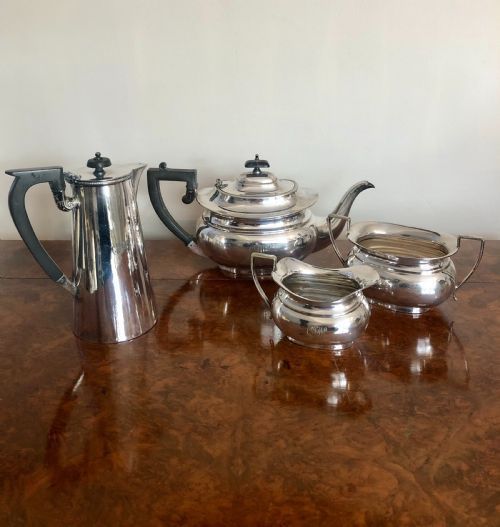
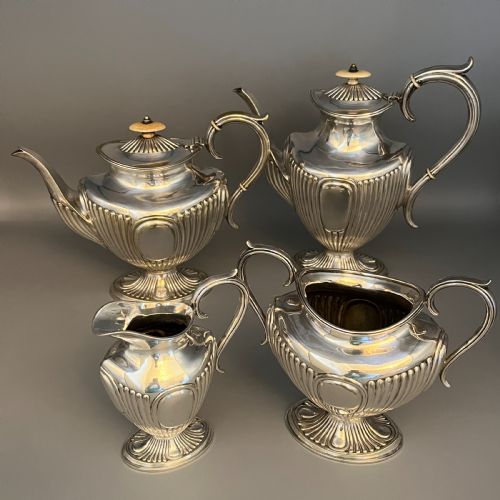
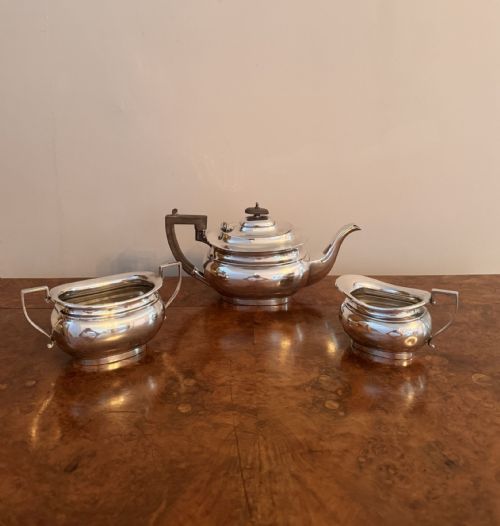
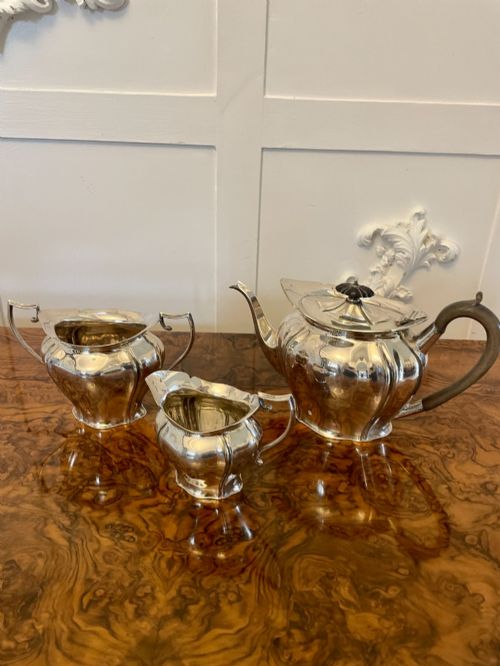
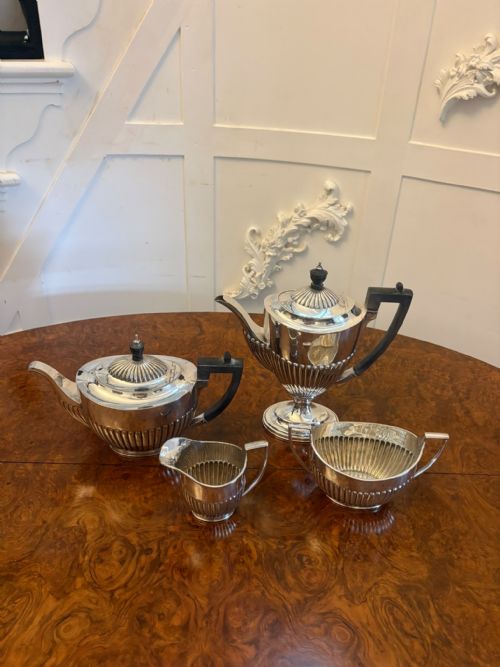
A silver plated jug set comprises matched groupings designed for beverage service, most commonly found here in Edwardian and Victorian configurations. These collections frequently include tea and coffee pots alongside dedicated cream jugs and sugar basins.
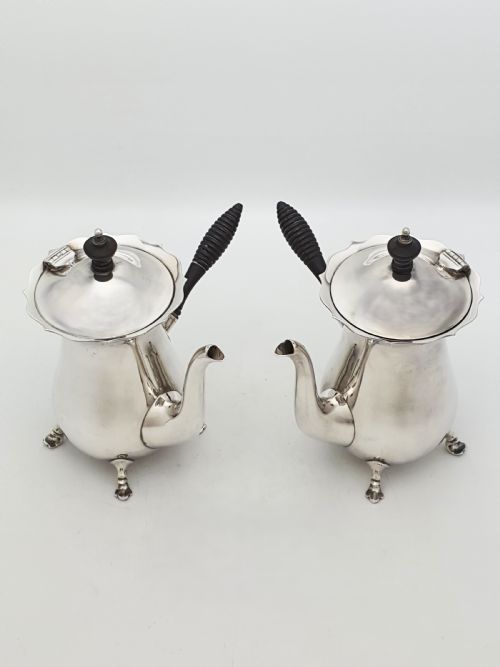
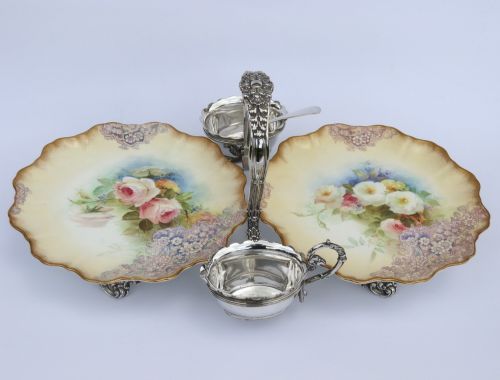
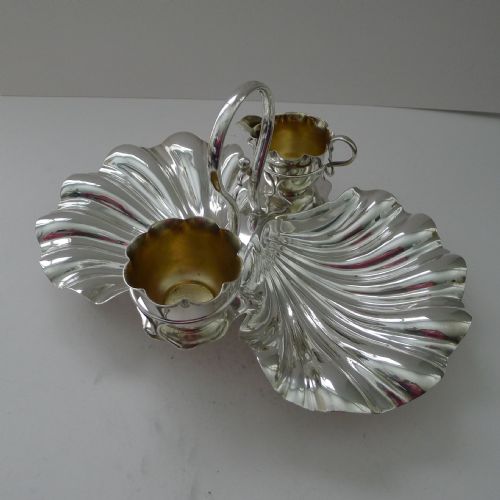
The assortment spans diverse forms, from large four-piece tea services to smaller cafe au lait pots, strawberry dessert sets, and condiment sauce dishes. Pieces date primarily from the nineteenth and early twentieth centuries, reflecting the evolving dining customs of those eras.
Materials and construction
Base metals receive a protective layer of silver via electroplated nickel silver or traditional Sheffield plating techniques. Artisans combine these metallic foundations with contrasting elements such as ebony, ebonised wood, and bone for handles and insulators.
Interiors sometimes receive a gold wash finish to prevent corrosion from acidic contents. Surface decoration relies on hand-chased ornamentation, ornate grapevine detailing, and occasionally hand-painted ceramic components.
Silver Plated Jug Set Retail Price Guide 2026
Typical asking prices for silver plated jug set among the pieces listed under this phrase on Sellingantiques today, from the lower quarter to the upper quarter. They describe what is for sale here now, not the wider market.
Listings feature Edwardian, Victorian, and Art Deco styles, incorporating materials such as silver plate, ebony, bone, and gold wash across tea and coffee services.
Distinctions in craftsmanship
The weight and balance of each vessel signal the underlying standard of manufacture, alongside the crispness of chased details and grapevine motifs. Substantial metal thickness ensures durability across years of service.
Maker attribution elevates certain sets, particularly when produced by recognised workshops. The integrity of the internal gold wash and the secure fit of insulated handles also differentiate standard domestic wares from superior examples.
Joseph Rodgers & Sons·Walker and Hall·Daniel Arter·Mappin & Webb·Christofle
The Silver Plated Jug Set Glossary
- Electroplated Nickel Silver
- A manufacturing process where a layer of pure silver is bonded to a base metal alloy using electrical current. This technique became widely adopted during the nineteenth century for producing affordable domestic tableware.
- Sheffield Plating
- An earlier method of fusing a thin sheet of silver to a thicker copper core by heating and rolling the metals together. This laborious process produces characteristic edges where the underlying copper occasionally shows through.
- Gold Wash
- A thin layer of gold applied to the interior of silver plated sugar bowls and jugs to protect the metal from tarnishing caused by sugar and dairy. It adds a warm, contrasting inner glow to the vessel.
- Café Au Lait Pot
- A specialised pot designed for serving hot milk alongside coffee, often matched in pairs or integrated into larger breakfast services. These tall vessels maintain precise thermal properties for morning service.
Silver Plated Jug Set: Frequently Asked Questions
How do I clean a silver plated jug set?
Use a specialised silver polishing cloth and mild soapy water to remove tarnish without damaging the underlying plate. Avoid harsh abrasive dips that strip the thin silver layer.
Dry thoroughly with a soft cotton cloth immediately after washing to prevent water spots and maintain the polished lustre of the metal surface.
Can I use these sets for daily service?
Many collectors use their sets for special occasions or daily dining, provided the pieces are handled with care and washed by hand. The sturdy base metals make them durable enough for regular table use.
Take care with insulated handles made from ebony or bone, keeping them away from excessive heat and prolonged soaking in water.
What items are included in a standard tea and coffee set?
A standard set typically includes a larger teapot, a matching coffee pot, a cream jug for milk, and an open sugar bowl. Some Edwardian configurations expand this to four or five matching pieces.
Additional specialised items like matching dessert plates or condiment dishes occasionally accompany these larger beverage services depending on the original commission.