
Silver Plated Centerpiece
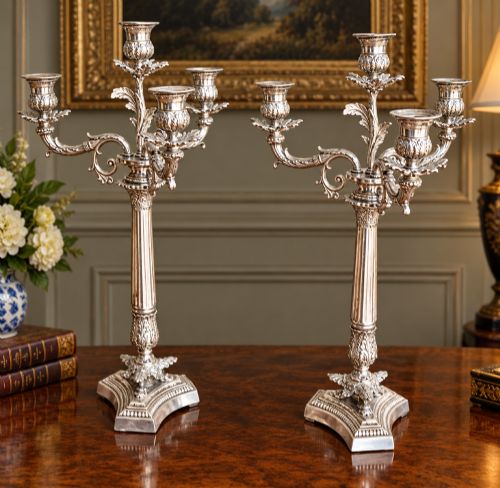
Silver plated centrepiece items dominate the dining table, bringing grandeur from the eighteenth, nineteenth, and early twentieth centuries into modern homes.
Silver Plated Centerpiece
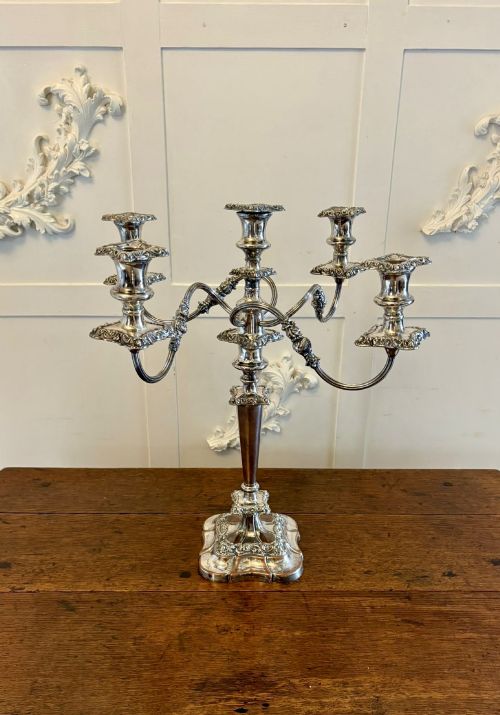
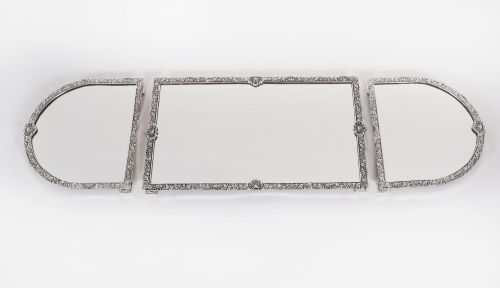
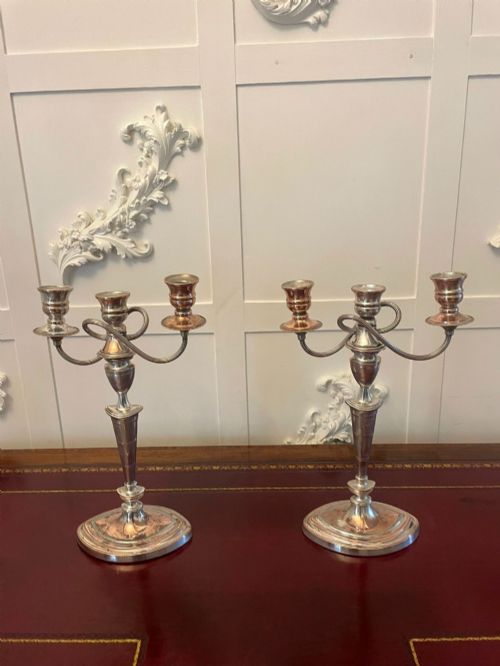
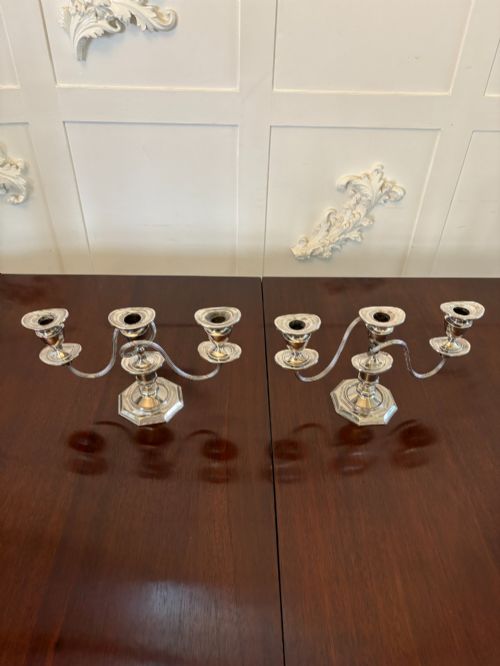
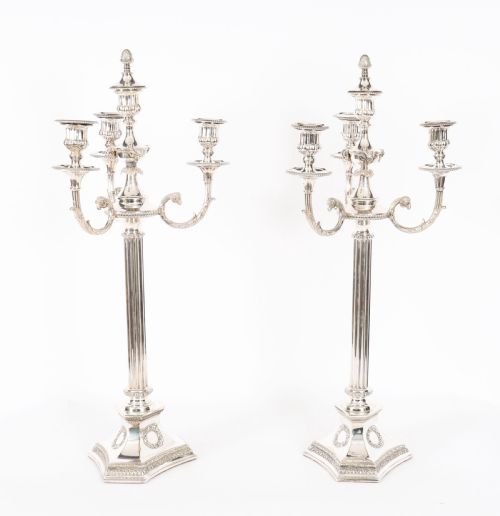
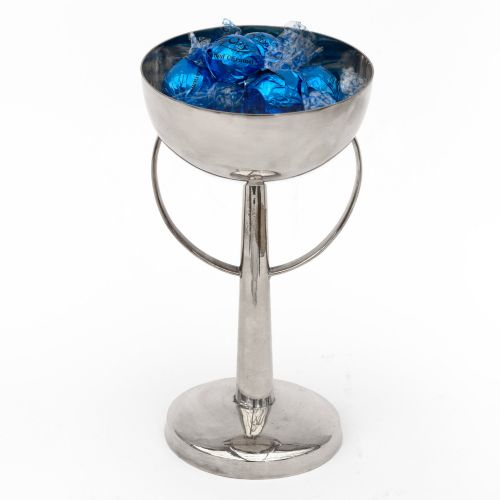
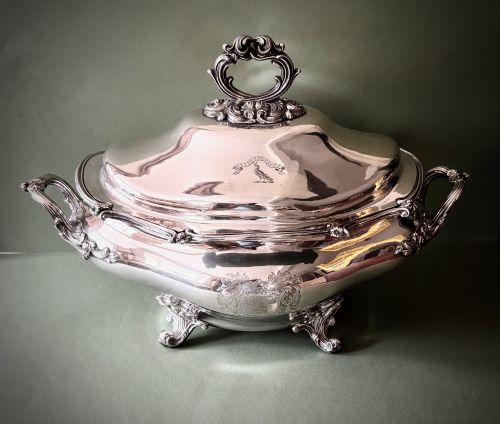
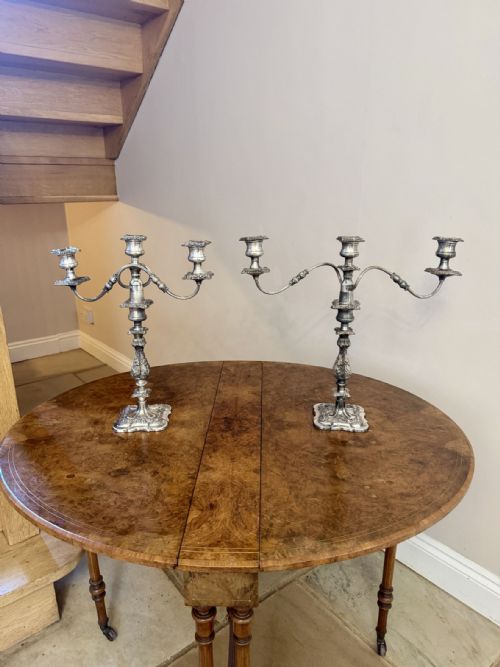
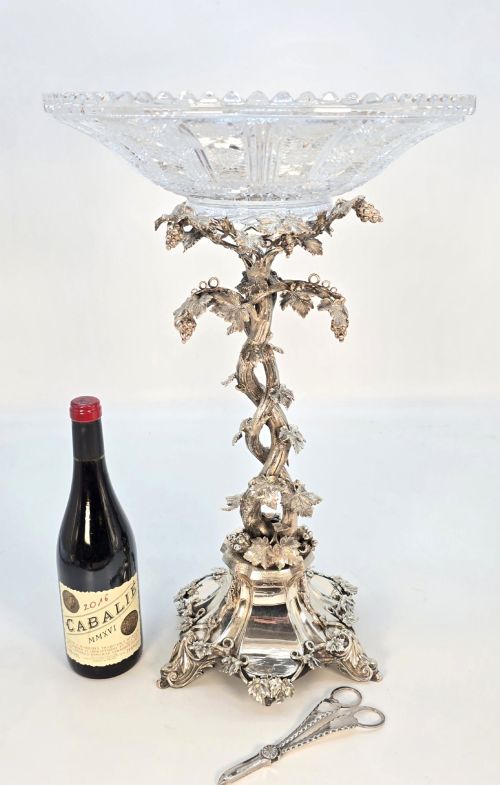
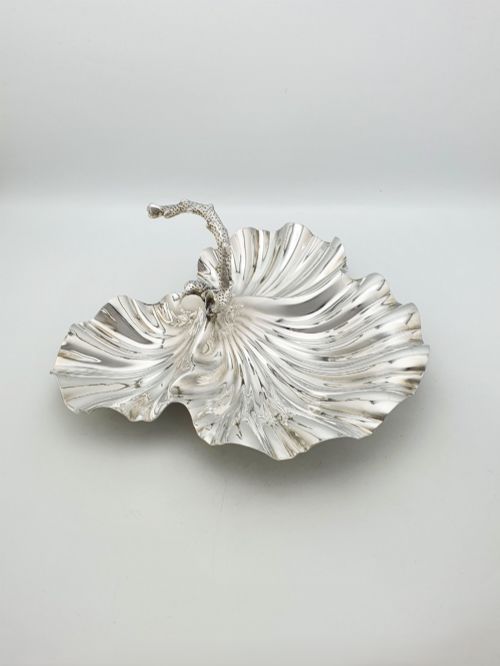
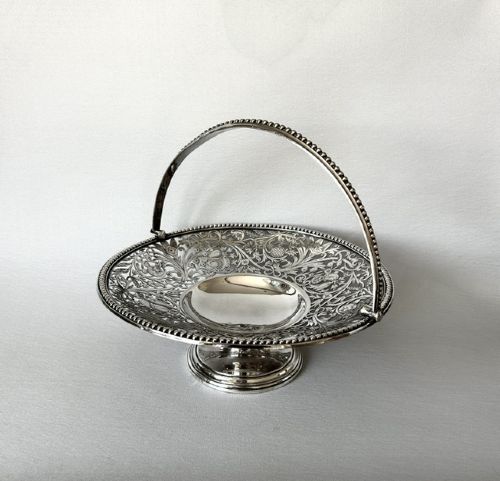
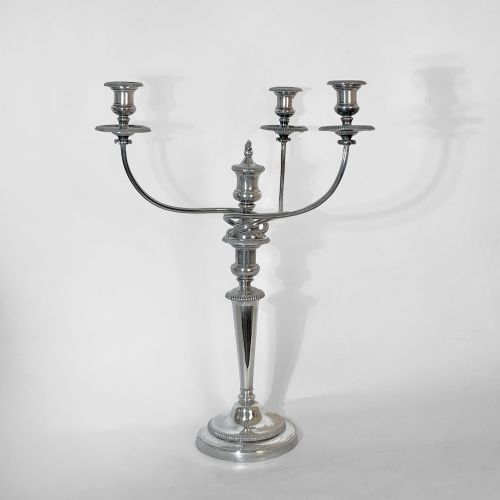
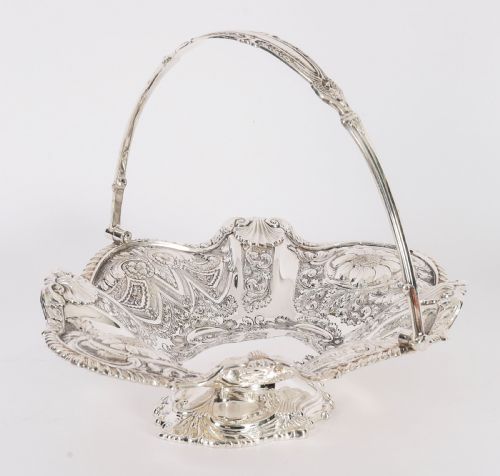
A silver plated centrepiece gathers varied forms designed to anchor a dining table, from multi-branched candelabras to pierced fruit baskets, tureens, and mirrored plateaus. These objects span periods from the Georgian and Regency eras through Victorian, Edwardian, and Art Nouveau styles, reflecting changing dining habits.
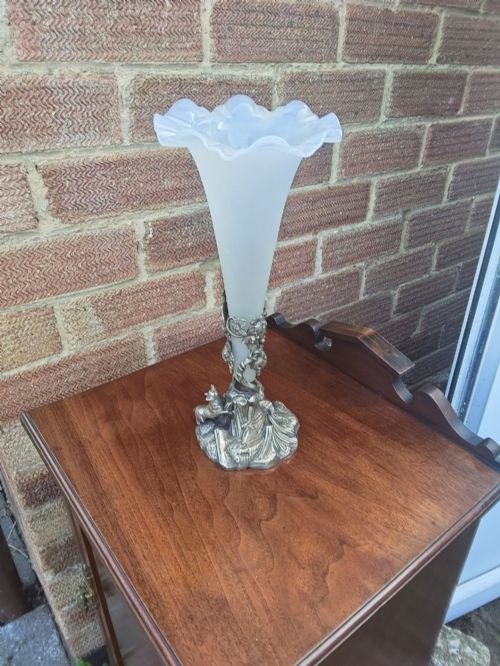
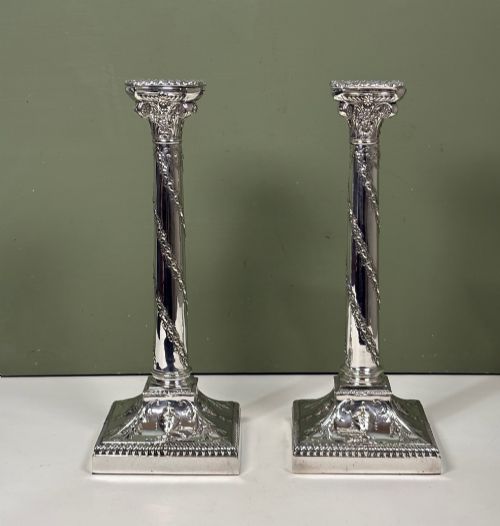
The version most commonly met on this page is the Victorian or Edwardian candelabra or basket, often standing on a sideboard or table. Alongside these tall lighting pieces sit decorative dishes, epergnes with glass liners, and specialised vessels like spoon warmers.
Origins vary between English workshops and continental makers, utilising base metals coated in silver through different historical plating methods. Buyers select these items to create a focal point that references past domestic luxury.
How they were made
Makers produced these items using copper, base metal, or electroplated nickel silver as a core, applying silver plate or utilising Old Sheffield Plate techniques where silver fused to a copper ingot. This method created durable surfaces that imitated solid silver while keeping production costs viable.
Candelabras and baskets frequently incorporate cast or pierced ornament, repoussé rims, and applied details in styles ranging from Neoclassical to Rococo Revival and Victorian Naturalism. Glass components, including ruby, amber, and vaseline liners, complement the metalwork through secure fittings.
Listings feature items spanning the 18th century to the 1930s, incorporating silver plate, copper, and cut glass.
What varies in quality
Weight, gauge of metal, and crispness of cast or chased ornament separate standard production from exceptional pieces. Superior candelabras and baskets retain clear structural integrity, balanced branch distributions, and intact silver layers over the copper or nickel base.
The presence of maker marks, integrated crests, and original cut or coloured glass inserts elevates an object's status. Details such as detachable sconces and finely articulated floral repoussé demonstrate superior workshop execution.
George W Scott And Sons Ltd·Hawksworth Eyre·Garrard And Co·Matthew Boulton·Mappin And Webb·Walker And Hall·WMF
The Silver Plated Centerpiece Glossary
- Old Sheffield Plate
- An early method of fusing a thin sheet of silver to a thicker copper ingot before rolling and shaping the combined metal. This technique creates a distinctive edge where the copper core shows through wear.
- EPNS
- Electroplated Nickel Silver, a method introduced in the nineteenth century using an electrical current to bond a layer of silver onto a nickel-copper-zinc alloy base.
- Candelabra
- A branched lighting fixture designed to hold multiple candles, often engineered with detachable sconces for easier cleaning and maintenance.
- Epergne
- A tiered table centrepiece featuring a central dish or basket surrounded by smaller hanging baskets or arms, frequently paired with coloured glass inserts.
- Surtout de Table
- A large mirrored plateau placed in the centre of a dining table to reflect candlelight and tableware.
- Repoussé
- A metalworking technique where the design is hammered into relief from the reverse side of the object.
Silver Plated Centerpiece: Frequently Asked Questions
How do I clean my silver plated centrepiece?
Maintenance requires mild soapy water and a soft cloth to protect the thin silver layer from abrasive wear.
Avoid harsh chemical dips that strip away the remaining plating, particularly on older Old Sheffield Plate items.
Can I use real candles in these candelabras?
Standard tapered candles fit securely into most nineteenth and early twentieth-century sconces.
Ensure drip management to protect the metal and any surrounding table surfaces during use.
What is the difference between Old Sheffield Plate and EPNS?
Old Sheffield Plate involves physically fusing silver and copper sheets together through heat and rolling before the mid-nineteenth century.
EPNS relies on an electrochemical process to deposit silver onto a nickel silver alloy base after the introduction of electroplating.
How do I identify the period of a fruit basket?
Stylistic cues such as Neoclassical swags, Victorian naturalistic floral repoussé, or Art Nouveau flowing lines provide primary dating evidence.
Maker marks and registration numbers stamped into the base further narrow down the exact decade of manufacture.