





Silver Plate Knives
Silver plate knives encompass practical dining implements and servers spanning the Victorian, Edwardian, and Art Deco periods, offering functional elegance for the table.
Silver Plate Knives
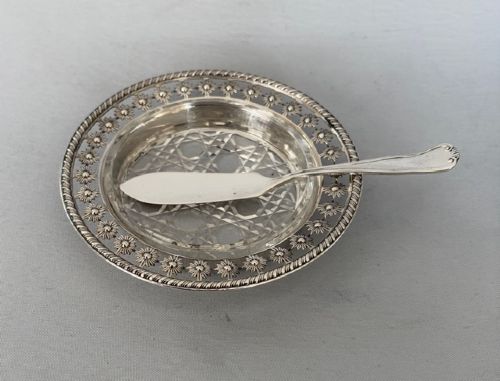
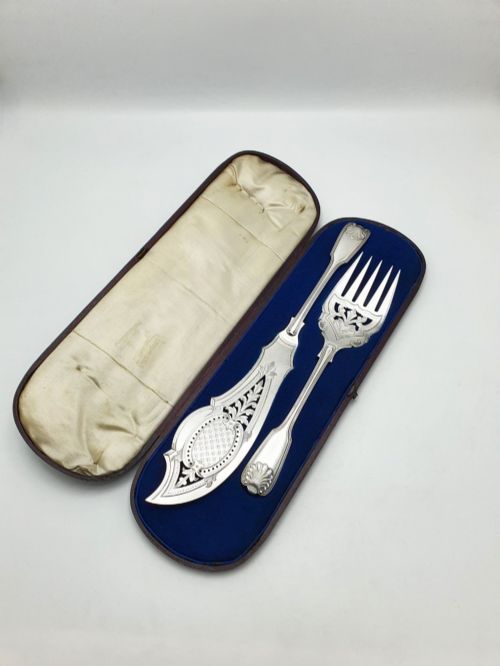
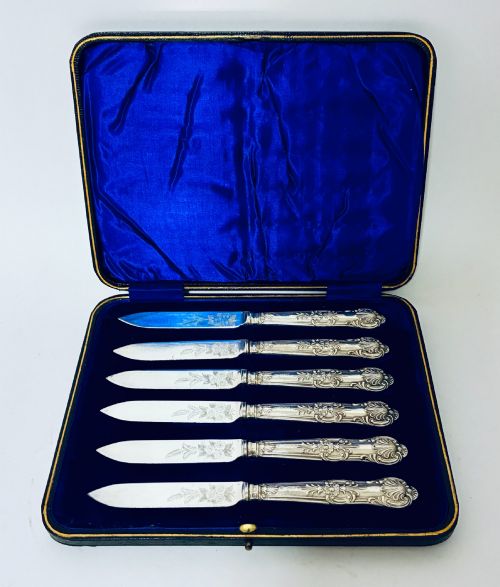
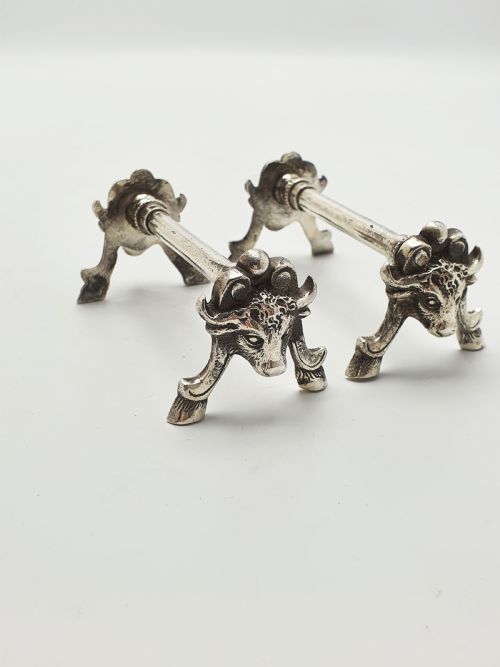
Silver plate knives appear across multiple domestic forms, ranging from fruit knife sets and fish servers to carving sets and knife rests. The selection spans the nineteenth century into the mid-twentieth century, capturing shifting dining rituals and decorative tastes.
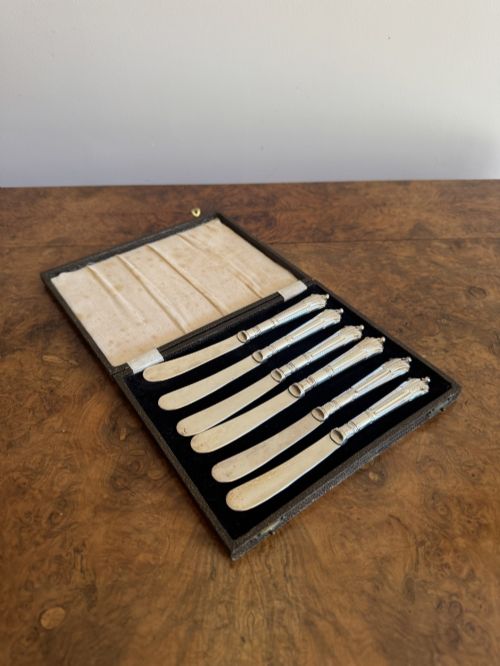
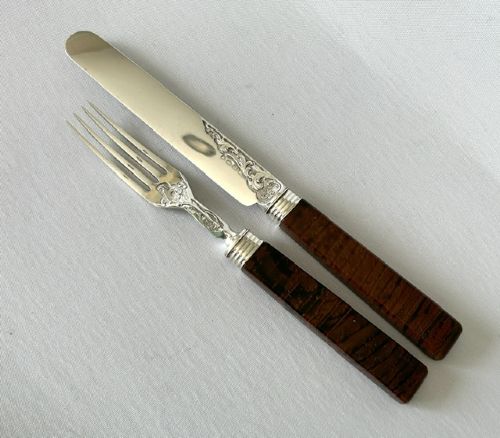
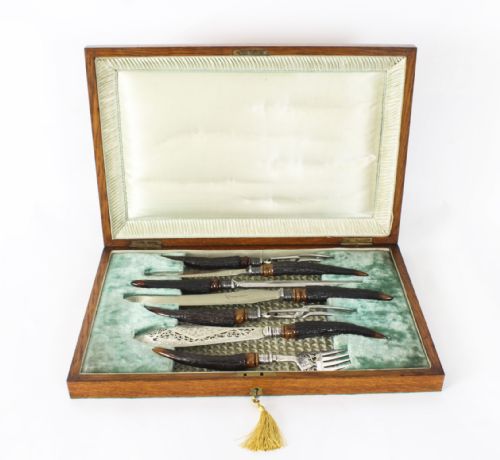
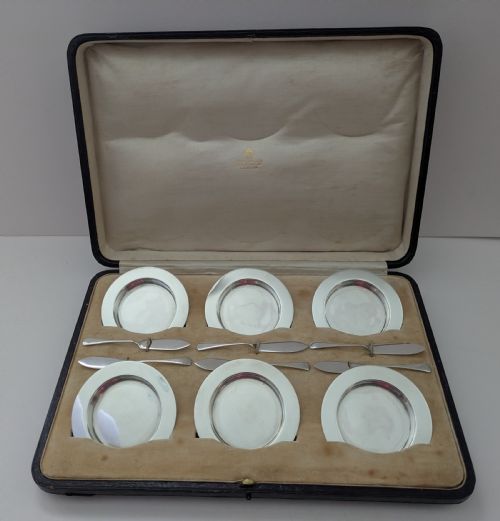
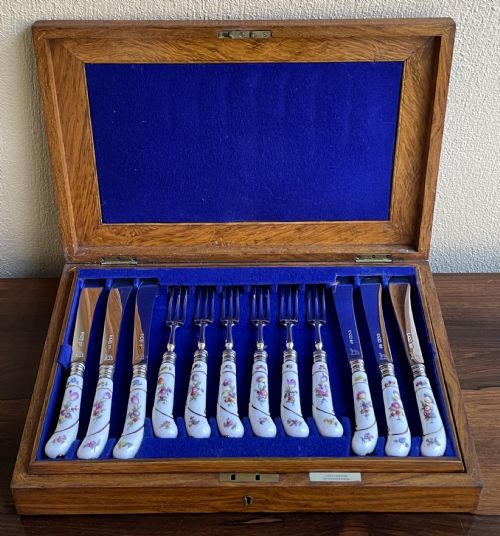
Victorian and Edwardian examples predominate, frequently incorporating organic handle materials such as mother-of-pearl, antler horn, and bone alongside silver-plated blades. These pieces reflect the intricate tablescapes of the period, often presented in fitted oak canteens or boxes.
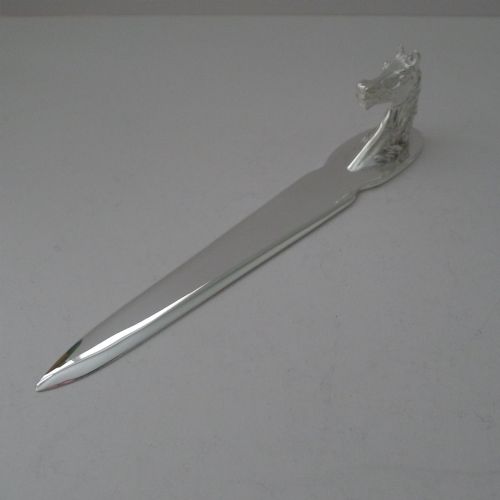
Alongside traditional cutlery, the category encompasses specialised serving pieces like cake knives and fish servers, as well as associated table accessories such as knife trays and rests. Styles stretch from Egyptian Revival and traditional Victorian ornamentation to sleek Art Deco lines.
Craft and materials
Makers utilised silver plating techniques over base metals, combining durable steel for cutting edges with softer plated surfaces for decorated handles and ferrules. Old Sheffield plate methods appear among larger serving pieces and trays.
Handles frequently showcase natural materials, including mother-of-pearl, ivory, porcelain, and antler horn, secured to metal shafts with pins. Engraving and chasing decorate blades and servers with floral or hunting motifs.
Silver Plate Knives Retail Price Guide 2026
Typical asking prices for silver plate knives among the pieces listed under this phrase on Sellingantiques today, from the lower quarter to the upper quarter. They describe what is for sale here now, not the wider market.
Listings feature silver plate knives and servers across Victorian, Edwardian, and Art Deco styles, incorporating mother-of-pearl, antler horn, and porcelain.
Judging quality
Quality rests upon the crispness of the engraved decoration and the integrity of the plating over the underlying base metal. Heavier gauge metalwork and well-preserved natural handle materials indicate superior manufacture.
The presence of original fitted wooden cases and complete matched sets elevates the standing of a grouping. Superior examples maintain firm joints between handles and blades without looseness or visible wear to the silver layer.
Creswick·Walker Knowles·Carrington·Asprey Co·Waring Gillows
The Silver Plate Knives Glossary
- Silver plate
- A layer of silver fused or electroplated onto a base metal core such as copper or nickel silver. This technique allowed domestic tableware to achieve the appearance of solid silver at a lower cost.
- Old Sheffield plate
- An early method of fusing a thin sheet of silver to a thicker copper core by heating and rolling the metals together. This technique typically predates nineteenth-century electroplating processes.
- Knife rest
- A small support placed on the table to keep cutlery blades elevated between courses, preventing the tablecloth from becoming soiled. They frequently take decorative figural forms such as animals or sphinxes.
- Mother-of-pearl
- The iridescent inner layer of certain mollusc shells, commonly sliced into thin panels to form decorative knife handles. It requires careful attachment to metal tangs to prevent cracking.
- Carving set
- A matched pairing of a large knife and a fork utilised for portioning roasted meats at the table. Handles often incorporate antler horn or substantial bone for a secure grip during use.
Silver Plate Knives: Frequently Asked Questions
How do I clean silver plate knives?
Wash silver plate cutlery by hand in warm soapy water using a soft cloth, avoiding harsh abrasive dips that can strip the plated surface. Dry them thoroughly immediately afterwards to prevent spotting or corrosion on steel blades.
Store them in lined boxes or anti-tarnish rolls when not in use. Regular gentle polishing preserves the decorative engraving without wearing away the underlying silver layer.
Can I use antique fruit knives daily?
Antique fruit knives and cutlery sets can handle light modern dining use, particularly for soft foods like fruit or cake. However, vintage mechanisms and delicate materials like mother-of-pearl or porcelain require gentle handling.
Avoid putting antique cutlery into modern dishwashers, as high temperatures and harsh detergents will ruin organic handles and damage the plating. Hand washing remains essential for their preservation.
What is the difference between Old Sheffield plate and later silver plate?
Old Sheffield plate involves physically fusing a sheet of silver to a copper base using heat and pressure before rolling it into sheets. This technique often reveals a faint line of copper along cut edges.
Later Victorian silver plate relies on electroplating, depositing a uniform layer of silver onto a base metal using an electrical current. Electroplated pieces generally lack the distinctive copper seams found in older items.
How do I date antique cutlery sets?
Dating relies on stylistic clues such as handle materials, blade shapes, and decorative motifs like Egyptian Revival or Art Deco geometry. Fitted wooden canteens and accompanying hallmarks can also narrow down the manufacturing decade.
Packaging, box linings, and retailer stamps provide further historical context. Comparing the engraved patterns to documented periods helps establish a reliable timeline.