




Silver Overlay Vanity
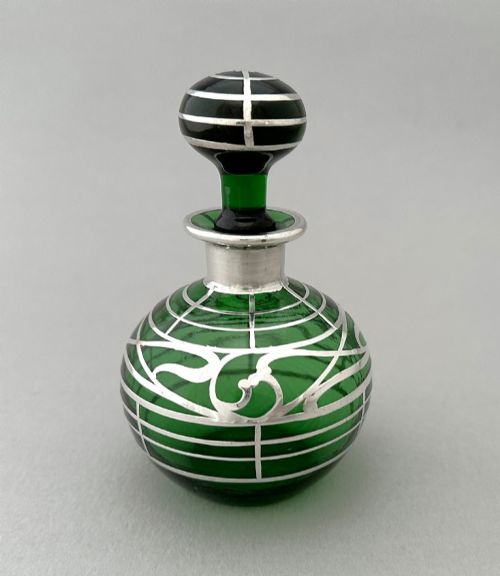
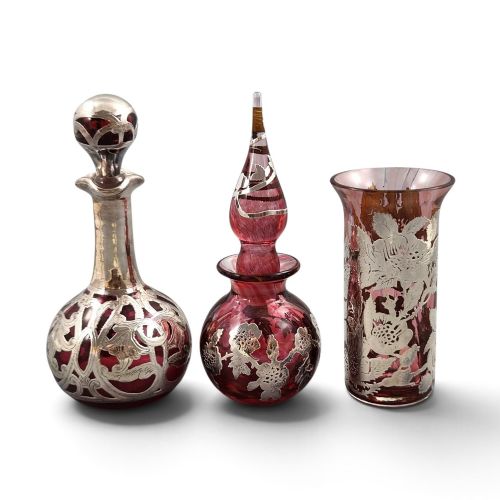
Silver overlay vanity pieces are dressing table accessories decorated with metalwork, offering a glimpse into the elaborate dressing habits of past centuries.
Silver Overlay Vanity
Silver overlay vanity items encompass scent bottles, perfume bottles, vanity jars, dressing mirrors, and vanity glassware designed for the dressing table. When exploring silver overlay vanity pieces, buyers encounter diverse forms ranging from scent bottles to complete vanity ensembles.
The pieces span multiple periods including the Victorian and Edwardian eras, the nineteenth century, nineteen hundred, nineteen twenty, and nineteen sixty, alongside styles such as Art Nouveau, Art Deco, and French Rococo Revival. Scent bottles and perfume bottles appear most frequently among the listed objects.
Origins include English, French, and Welsh workshops, with notable contributions from Bohemian glassmakers and American manufacturers like Gorham. These objects combine functional glass vessels with intricate metal decoration.
How they were made
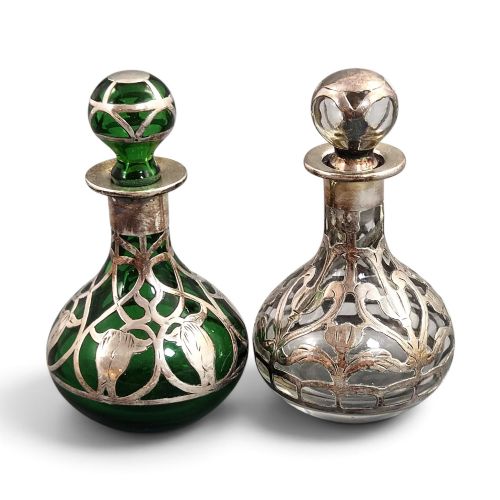
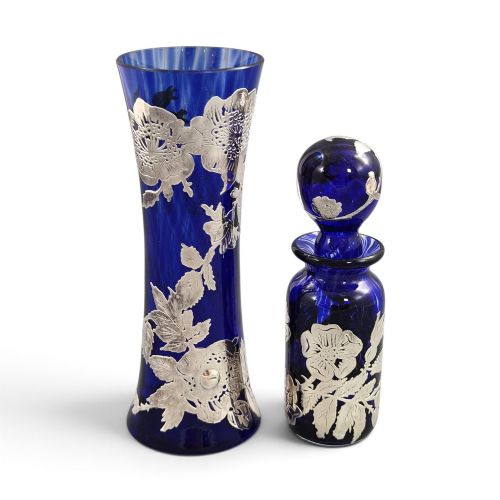
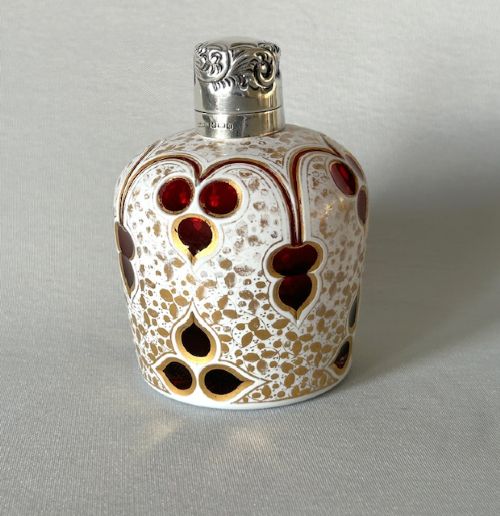
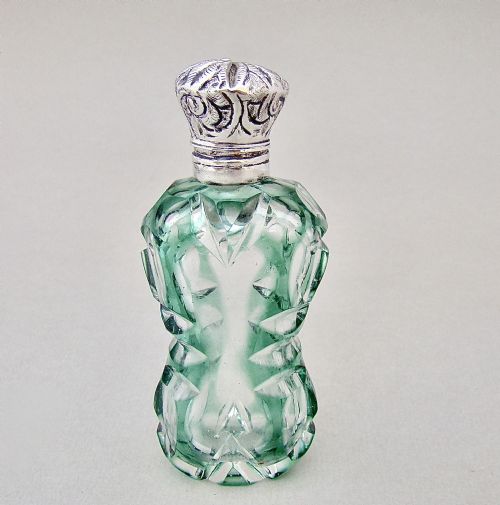
Makers utilised sterling silver or silver applied directly onto glass bases, including cut glass, mercury glass, and coloured glass such as amethyst, green, ruby, and cobalt. Some pieces feature porcelain grounds instead of glass.
The metalwork technique involved fusing silver to the vessel, creating botanical or geometric motifs characteristic of Art Nouveau and Art Deco styles. Artisans shaped the metal mounts and deposits to fit the contours of bottles, jars, and mirrors.
Silver Overlay Vanity Retail Price Guide 2026
Typical asking prices for silver overlay vanity among the pieces listed under this phrase on Sellingantiques today, from the lower quarter to the upper quarter. They describe what is for sale here now, not the wider market.
Listings feature sterling silver combined with coloured glass including amethyst, green, ruby, and cobalt across Victorian, Edwardian, and Art Deco periods.
What varies in quality
Quality depends on the crispness of the silver work and the depth of the metal deposit against the glass or porcelain body. Complete sets with matching components demonstrate higher coordination than individual items.
The weight and clarity of the underlying glass, whether clear cut glass or coloured glass in amethyst, green, ruby, or cobalt, influence the overall character of the piece. The precision of hallmarks and maker marks further distinguishes standard production from notable works.
Gorham·Laugharne Glass·Jean Gille
The Silver Overlay Vanity Glossary
- Silver overlay
- Metal decoration applied permanently to the surface of a glass or porcelain object. This technique creates a distinct contrast between the polished metal and the coloured glass beneath.
- Sterling silver
- An alloy containing ninety-two point five percent silver by mass. This material is commonly found in the metal mounts and decorative overlays of vanity items.
- Mercury glass
- Silvered glass blown with a double wall and coated with a reflective liquid interior. It creates a silvery, mirror-like appearance beneath the glass surface.
- Amethyst glass
- Purple-tinted glass utilised for vanity bottles and rouge pots. The rich hue complements the bright silver metalwork applied to the exterior.
- Dressing mirror
- A small tabletop mirror with a decorated frame or support. These mirrors often incorporate silver mounts matching the style of nearby scent bottles.
Silver Overlay Vanity: Frequently Asked Questions
What is silver overlay?
Silver overlay is a decorative technique where silver is bonded directly onto the exterior of a glass or ceramic object. The metal forms intricate patterns, often wrapping around the body of a bottle or jar.
This method allows artisans to combine the vibrant colours of glass with the polished shine of sterling silver.
How do I clean them?
Cleaning requires gentle care to protect both the metal overlay and the underlying glass or porcelain. Use a soft cloth and avoid harsh silver dips that might seep underneath the metal.
Maintenance should focus on preserving the delicate joints where the silver meets the glass surface.
Were these pieces used daily?
These items were practical objects designed for the dressing tables of the nineteenth and twentieth centuries. They held perfumes, cosmetics, and lotions for daily grooming routines.
Over time, many transitioned from functional dressing table accessories to decorative display pieces.
How can I tell the period?
Dating relies on stylistic clues such as floral Art Nouveau curves, geometric Art Deco lines, or Victorian forms. Hallmarks and manufacturer marks on the silver portions provide specific production years.
Comparing the glass colours and manufacturing techniques also helps identify whether a piece originates from the nineteenth century or later.