




Silver Mirror Stand
A silver mirror stand brings instant polish and reflected light to a surface, catching every detail of a room.
Silver Mirror Stand
When you search for a silver mirror stand, you encounter a range of reflective table pieces and dressing items designed to hold or frame glass. These objects serve practical and decorative functions across multiple periods.
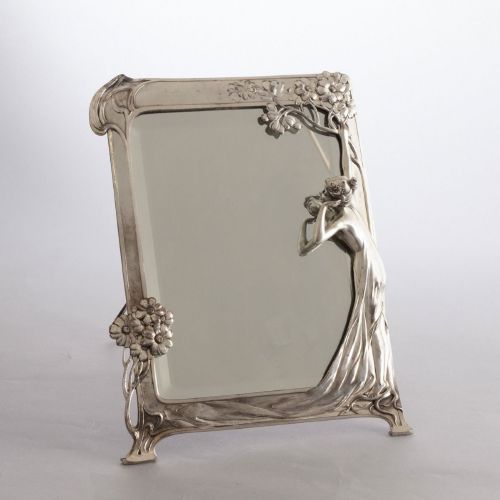
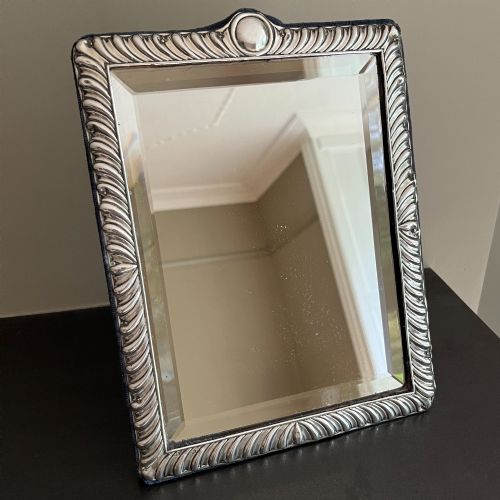
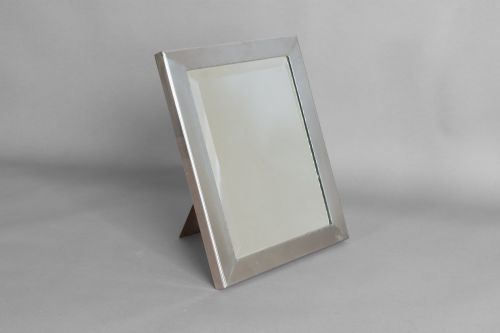
The most common examples on this page date from the Victorian era through the Art Deco period, encompassing sterling silver, silver plate, pewter, and chrome. Forms vary from small vanity mirrors to large table plateaux and plateau stands.
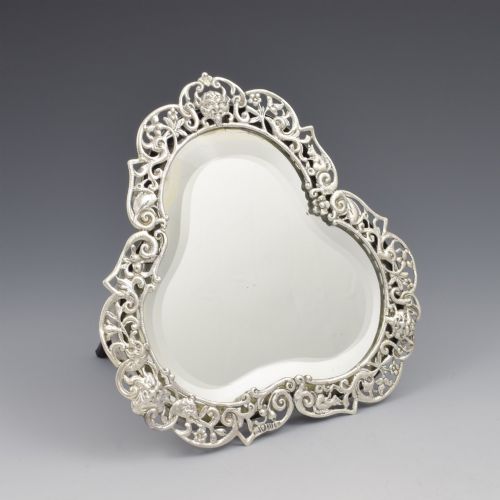
Makers utilised various materials including mirror glass, wood, and gesso to construct these sturdy bases and frames. Many pieces incorporate easel backs or decorative pierced mounts depicting animals and birds.
How they were made
Silversmiths and manufacturers shaped sterling silver and silver plate over supportive cores, often utilising casting and piercing techniques for intricate floral or animal motifs. Pewter and chrome examples emerged later, offering robust alternatives for dressing table and vanity use.
Wooden frames received carved details and gesso finishes, sometimes retaining original gilt or silvered surfaces. Glass panels were bevelled or etched, then secured into hinged struts or heavy metal plateaux designed to sit flat on furniture.
Silver Mirror Stand Retail Price Guide 2026
Typical asking prices for silver mirror stand among the pieces listed under this phrase on Sellingantiques today, from the lower quarter to the upper quarter. They describe what is for sale here now, not the wider market.
Some Victorian dressing mirrors feature hand-pierced motifs of tiny animals and birds staring back at you from the vanity.
What varies in quality
The distinction between standard items and finer examples lies in the crispness of the metalwork and the weight of the frame. Heavy gauge silver or substantial pewter provides better balance and structural integrity than thin plating over base metals.
The quality of the glass and the precision of the mechanics, such as easel hinges and mounting screws, dictate the overall standard. Original boxes, maker stamps, and well-executed chased or pierced decorations elevate the piece further.
WMF·Henry Matthews·Elkington·Mirror Brot
The Silver Mirror Stand Glossary
- Sterling silver
- A silver alloy containing a high proportion of pure silver by mass, typically marked with official hallmarks indicating standard purity.
- Silver plate
- A layer of silver applied to a base metal core such as copper or brass, common in table plateaux and vanity mirrors.
- Table plateau
- A flat, mirrored tabletop centrepiece traditionally placed in the middle of a dining table to hold ornaments or displays.
- Strut mirror
- A portable mirror supported by a hinged leg or prop attached to the back of the frame for desk or dressing table use.
- Art Deco
- A design style from the early twentieth century characterised by geometric shapes, streamlined forms, and modern industrial materials like chrome.
Silver Mirror Stand: Frequently Asked Questions
How do I clean a silver mirror stand?
Use a soft cloth and a gentle, non-abrasive silver cleaner specifically formulated for plated or sterling surfaces. Take care to avoid getting liquid cleaning products directly behind the glass edge where the silver backing might be exposed.
For chrome or pewter sections, a simple wipe with a damp microfiber cloth preserves the finish. Regular dusting prevents tarnish build-up without requiring harsh scrubbing.
What is a table plateau used for?
A table plateau serves as a reflective base for centrepieces, candelabras, or display items on dining tables and sideboards. The mirrored surface magnifies light and enhances the objects placed upon it.
Historically, these stands protected polished wooden furniture from heat and moisture while adding an ornamental focal point to formal room settings.
How can I date an antique mirror stand?
Examine the materials, hallmarks, and construction methods used in the frame. Pieces from the Victorian period often feature ornate pierced silver work, while Edwardian and Art Deco examples tend toward geometric lines and chrome or plated finishes.
Maker stamps and registration numbers stamped into the metal provide precise chronological markers. The thickness and bevelling of the mirror glass also offer clues regarding the manufacturing era.
Are these mirrors sturdy enough for daily use?
Most antique and vintage mirror stands are robustly constructed with weighted bases or solid wooden supports designed for regular placement on dressing tables. However, older easel hinges require gentle handling to prevent strain on the backing.
Placing the stand on a stable, flat surface ensures the frame remains secure and reduces the risk of accidental tipping.