




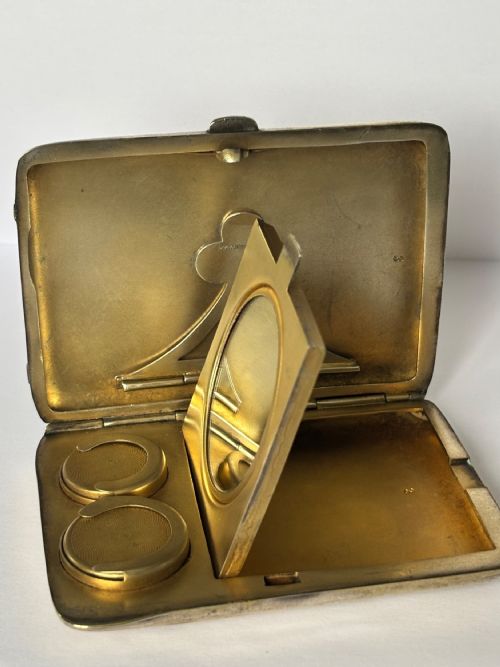


Silver Metal Mirror
A silver metal mirror brings bright reflection and metallic gleam to a room, ranging from industrial chrome frames to hand-hammered arts and crafts copper.
Silver Metal Mirror
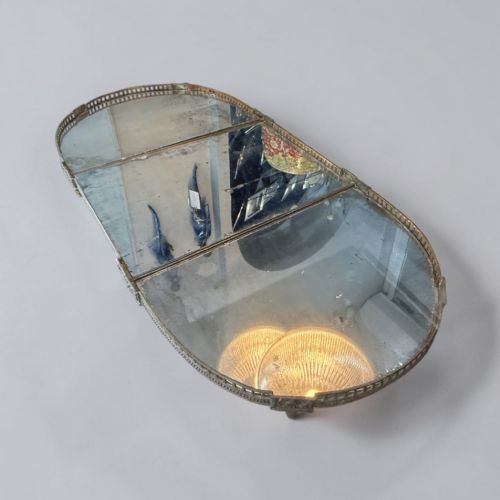
A silver metal mirror encompasses wall-hanging and vanity pieces framed or fashioned in reflective white metals, brass, and copper. When searching for a silver metal mirror, buyers encounter everything from early nineteenth-century French table centrepieces to streamlined Art Deco bathroom fittings.
The selections span distinct periods including the Victorian era, the Edwardian years, and the modernist heights of the 1920s and 1930s. Forms vary from small dressing table swivel glasses to architectural wall mirrors and compact combination cases.
Origin and style diverge widely across the pieces, touching upon American Art Deco, Dutch baroque influences, Peruvian colonial revival, and British Arts and Crafts traditions. This variety ensures that each object serves both a functional role and a distinct decorative purpose.
How they were made
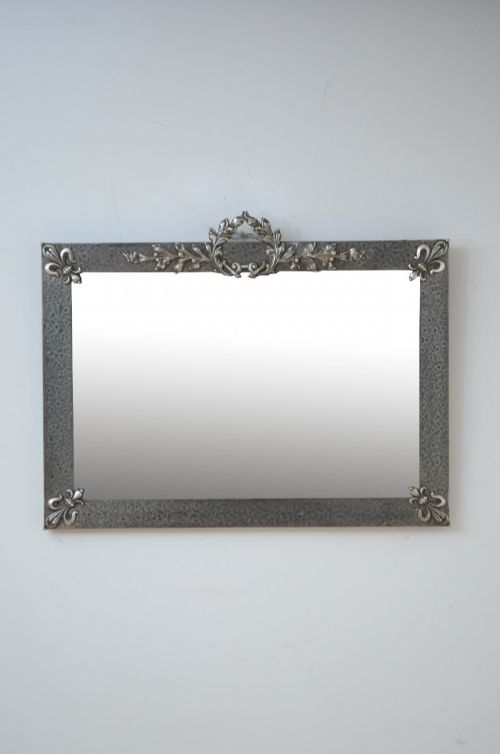
Makers utilised a foundation of base metals such as brass, copper, and spelter, often finishing surfaces with chrome plating, silvering, or silver gilt. Hammering techniques defined the arts and crafts output, leaving visible tool marks across metal frames.
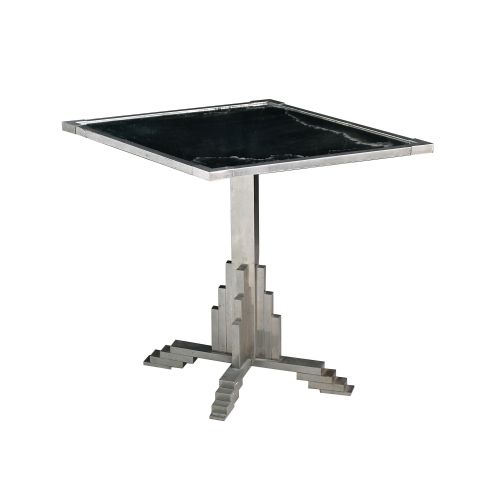
Structural integrity often relied on secondary materials including wood backing boards and mirrored glass plates. Metal casting and stamping came to the fore during the 1920s and 1930s, allowing for geometric art deco profiles and tubular chrome construction.
Silver Metal Mirror Retail Price Guide 2026
Typical asking prices for silver metal mirror among the pieces listed under this phrase on Sellingantiques today, from the lower quarter to the upper quarter. They describe what is for sale here now, not the wider market.
The documented forms range from vending machine mirrors and shaving glasses to hostess trolleys and card compacts.
What varies in quality
The calibre of a piece rests upon the weight of the metal framework and the crispness of decorative detailing, such as stylised seed pods or cast figural elements. Substantial gauge metals and robust construction distinguish superior examples from lighter commercial items.
The clarity and preservation of the mirrored glass plate itself dictate the overall integrity of the object. Original bevelled edges and securely seated glass indicate careful historical maintenance.
Richard Hudnut
The Silver Metal Mirror Glossary
- Spelter
- A zinc alloy frequently used as a base for cast figures and decorative objects, often given a bronze or silvered finish to imitate more costly metals. It provides fine detail in modernist and art deco statuary.
- Chrome
- Chromium plating applied to base metals to produce a bright, corrosion-resistant finish. This treatment became ubiquitous on modernist furniture and bathroom mirrors during the 1920s and 1930s.
- Arts and Crafts
- A design movement valuing hand-craftsmanship and natural motifs over industrial standardisation. Items from this tradition often feature visible hammer marks and stylised plant forms.
- Table Centrepiece
- A decorative vessel or stand placed in the middle of a dining table, sometimes incorporating mirrored glass and silvered metal mounts. These pieces reflected candlelight and table settings.
- Vanity Mirror
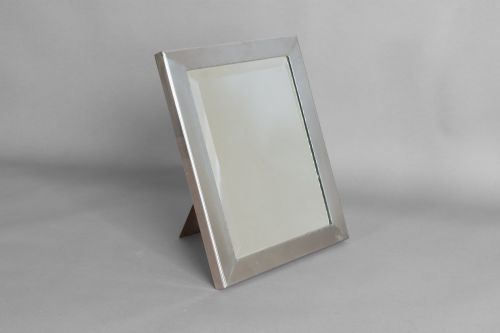
- A small adjustable glass designed for dressing tables and personal grooming. They frequently incorporate swivel frames and storage compartments for cosmetics.
Silver Metal Mirror: Frequently Asked Questions
How do I clean a silver metal mirror?
Dust frames gently with a soft dry cloth and avoid harsh chemical dips that strip historical patination. Clean mirror glass using a mild glass cleaner applied to a cloth rather than sprayed directly onto the surface.
Take care to prevent moisture from seeping behind the glass plate or reaching vulnerable wooden backing components during the cleaning process.
Where should I hang a wall mirror?
Position wall-hanging pieces at eye level in hallways, living rooms, or above dressing consoles to bounce natural light around the interior. Ensure fixings are anchored securely into wall studs given the substantial weight of metal frames.
Consider the surrounding decor to let distinct metal tones like chrome or brass complement existing room hardware.
How do I identify Art Deco pieces?
Look for geometric symmetry, stylised motifs, and sleek industrial finishes such as polished chrome or mirrored glass surfaces. These characteristics emerged strongly during the 1920s and 1930s.
Items from this era often embrace machine-age aesthetics alongside traditional craftsmanship.
Are these mirrors suitable for bathrooms?
Many chromed and metal-framed mirrors were originally designed for bathroom or vanity use and withstand normal domestic humidity. Check the condition of the metal backing and silvering on older glass before placement in damp environments.
Vintage pieces benefit from stable humidity levels to preserve both the metal finish and the original glass.