




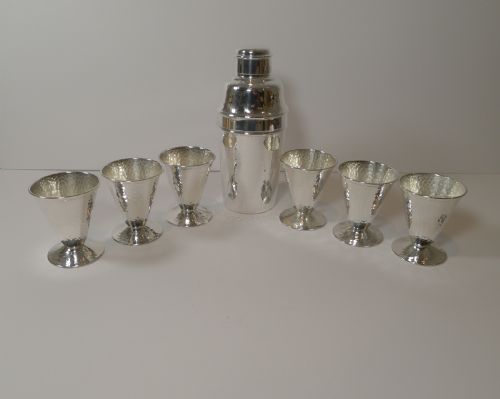


Silver Metal Cup
A silver metal cup brings tactile weight and historic domestic ritual to a table, spanning centuries of functional drinking vessels and display pieces.
Silver Metal Cup
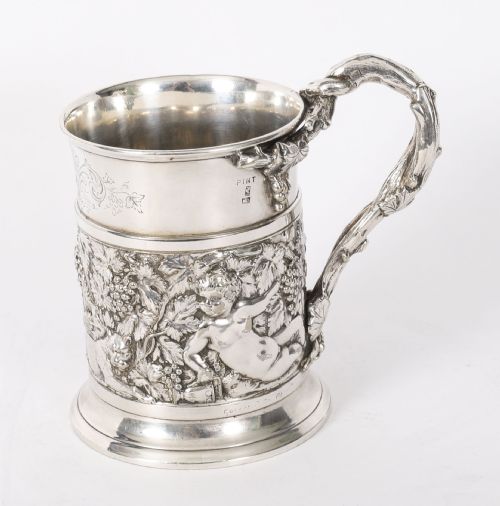
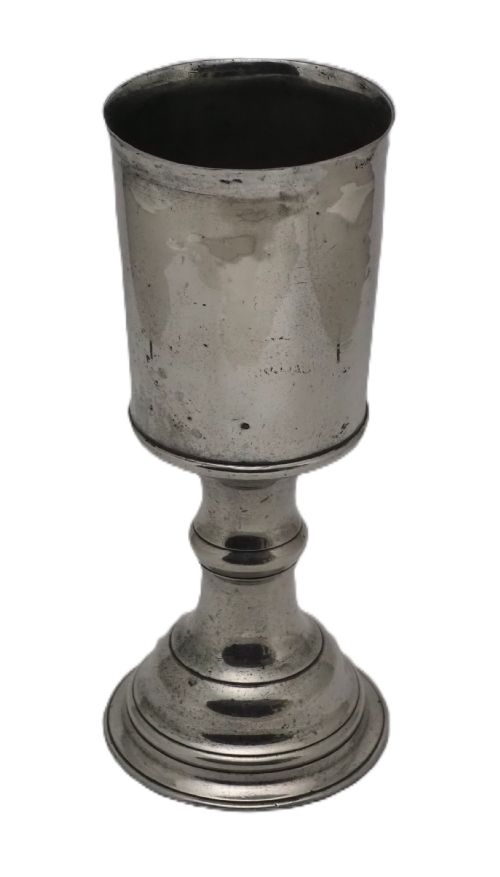
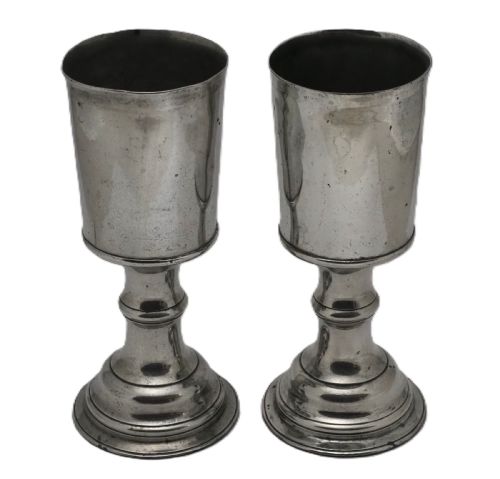
A silver metal cup encompasses a diverse range of historic drinking vessels and display containers, including chalices, tankards, mugs, and porringers originating from various global traditions. Buyers seeking a silver metal cup will encounter functional items designed for communal toasts, christenings, and military messes alongside decorative cabinet pieces.
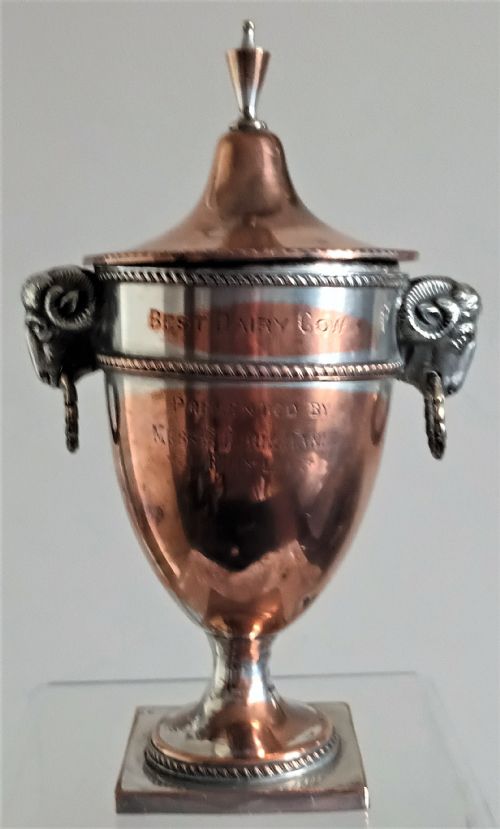
The selections span multiple eras, from eighteenth-century Irish pewter chalices and Georgian Old Sheffield plate to Victorian embossed mugs and Art Deco cocktail sets. Most pieces appearing on this page reflect domestic utility, religious observance, or social hospitality across British, Continental, and Asian manufacturing centres.
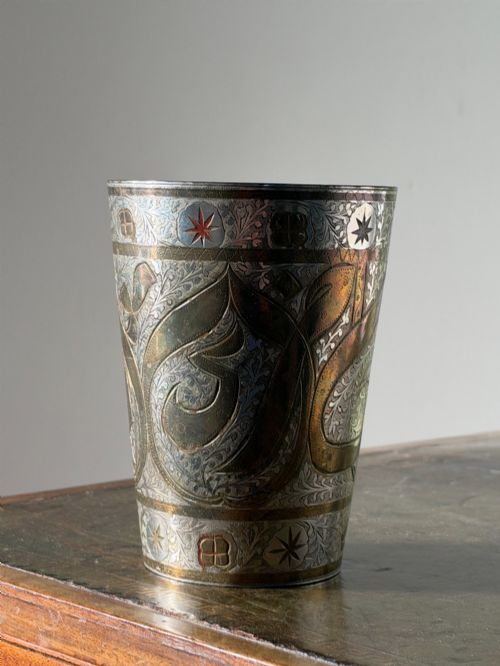
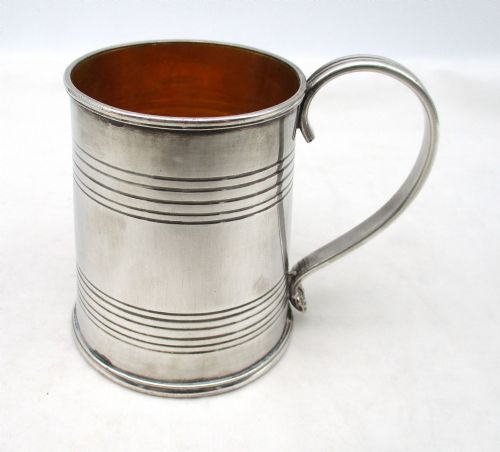
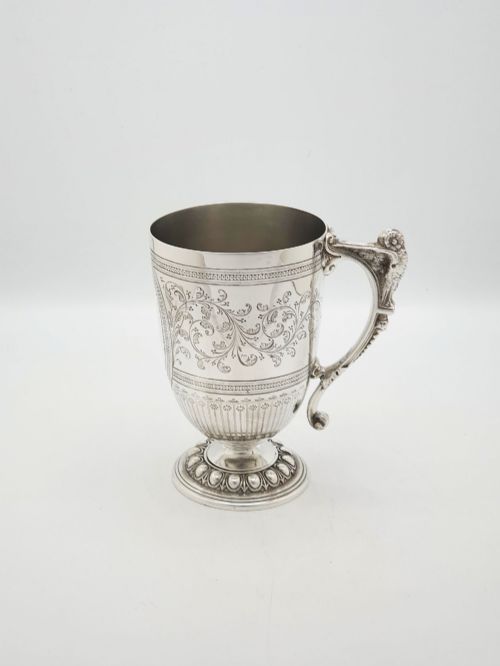
Forms vary from simple tapered beakers and baluster christening cups to elaborate loving cups fitted with figural handles. Whether choosing a plain utilitarian pint vessel or a decorative trophy, each object tells a story of past dining and drinking customs.
Materials and Construction
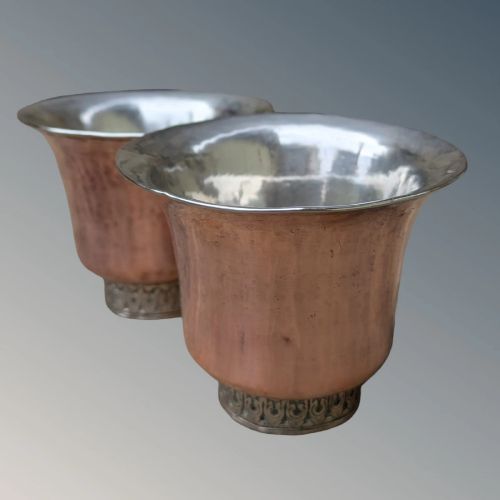
These vessels utilise a broad spectrum of metal compositions, ranging from solid sterling silver and silver plate to traditional pewter, copper, nickel silver, and Old Sheffield plate. Artisans employed fusing, hammering, casting, and spinning techniques to shape the molten or sheet metals into durable containers.
Surface ornamentation involved hand engraving, embossing, chasing, and the application of cast details such as figural handles and domed feet. Artisans frequently combined materials, pairing silver with cherry wood or integrating gold gilt highlights to enhance the visual depth of the objects.
Silver Metal Cup Retail Price Guide 2026
Typical asking prices for silver metal cup among the pieces listed under this phrase on Sellingantiques today, from the lower quarter to the upper quarter. They describe what is for sale here now, not the wider market.
The object forms range widely across domestic and ceremonial categories, encompassing chalices, tankards, cocktail shakers, chestnut urns, and christening bowls.
Assessing Quality and Craftsmanship
Quality rests upon the crispness of the chased or embossed decoration and the structural integrity of the metal body. Superior examples display harmonious proportions, secure handle attachments, and well-executed balancing on feet or bases.
The integrity of the plating layer on Old Sheffield plate or silver plate dictates longevity and visual continuity. Finer pieces maintain their original surface textures and decorative detailing without excessive wear or heavy restoration.
G R Collis·W.M.F.·St. Medard
The Silver Metal Cup Glossary
- Old Sheffield Plate
- A composite material formed by fusing a thin sheet of silver to a thicker copper base. This technique was widely utilised before the invention of electroplating.
- Pewter
- A malleable metal alloy consisting primarily of tin, combined with copper and antimony. It was frequently used for tavern and ecclesiastical vessels.
- Porringer
- A small, shallow bowl equipped with one or two flat, pierced handles. These pieces typically served broth, porridge, or functioned as christening gifts.
- Baluster
- An architectural form featuring a swelling, curved profile resembling a pillar. This shape often defines the stems of chalices and the bodies of eighteenth-century mugs.
- Chasing
- A metalworking technique where a design is hammered into the front surface of the metal using punches. It displaces the material rather than removing it.
Silver Metal Cup: Frequently Asked Questions
What is a silver metal cup used for?
These vessels historically served functional roles in domestic dining, tavern service, and religious communion. Many functioned as personal drinking vessels, presentation pieces, or commemorative christening gifts.
Today, collectors utilise them as decorative display items, barware accessories, or occasionally for their original dining purpose. Their varied forms reflect the changing social rituals of dining across centuries.
How do I clean silver metal cups?
Cleaning depends entirely on the specific metal composition of the vessel. Solid silver and silver plate require appropriate metal polishes and soft cloths to prevent abrasion of the thin surface layers.
Pewter, copper, and Old Sheffield plate demand gentler care to preserve their historic patinas and exposed base metals. Avoid harsh chemical dips, particularly on plated or composite items where the underlying metal might become exposed.
How can I tell pewter from silver?
Pewter possesses a darker, duller grey lustre compared to the bright, reflective sheen of sterling silver or silver plate. It is also a softer metal that feels heavier for its size than aluminium or steel.
Examining the underside or interior often reveals maker marks, touchmarks, or the absence of silver hallmarks. Silver will generally bear official assay office stamps indicating its purity.
What is Old Sheffield plate?
Old Sheffield plate is an early form of plated metal created by thermally fusing a sheet of sterling silver onto a copper ingot. The combined block was then rolled into thin sheets for manufacturing vessels.
This method produces a distinctive appearance where the underlying copper occasionally shows through at high-wear edges or seams. It predates nineteenth-century electroplating techniques.