


Silver Locket Necklace
A silver locket necklace holds secret keepsakes close to the skin, combining miniature portraiture or hidden locks of hair with wearable metalwork.
Silver Locket Necklace
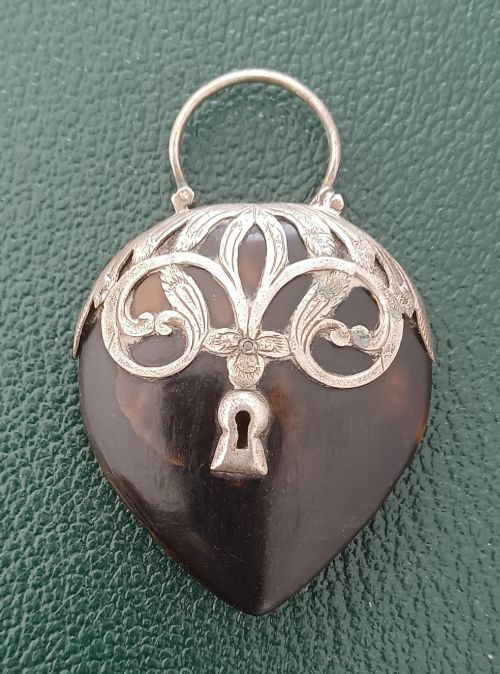
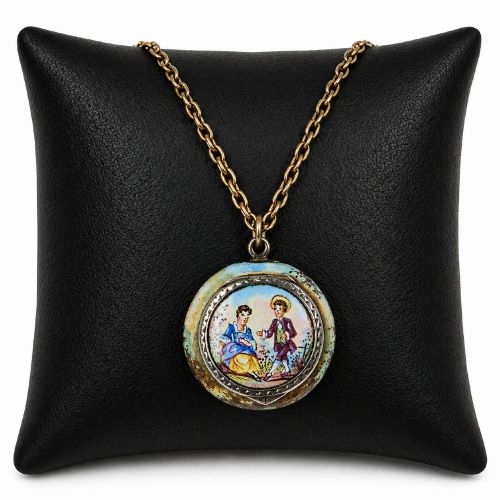
A silver locket necklace serves as a personal repository for photographs, hair, or small mementos, designed to hang from a matching chain or book chain. When looking for a silver locket necklace, collectors encounter various forms ranging from large Victorian floral book chain pieces to delicate Edwardian photograph holders and hinged secret compartments.
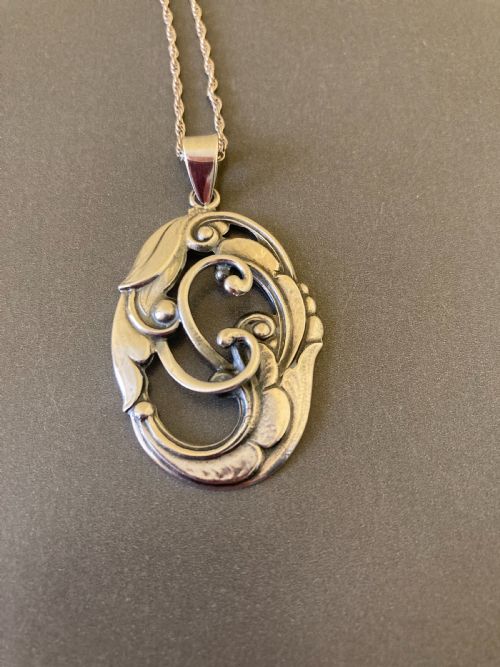
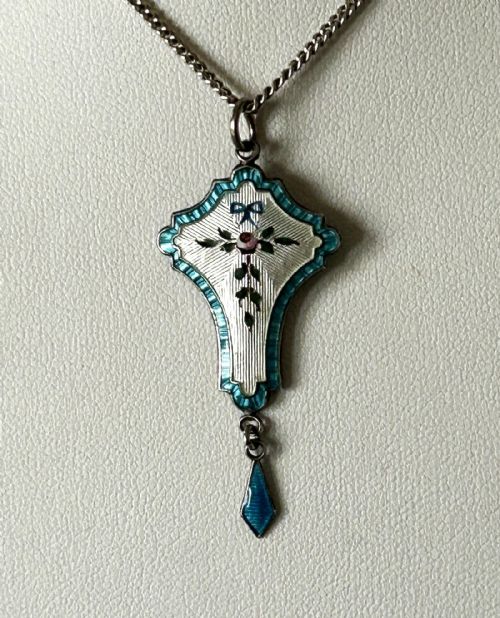
The pieces on offer span the nineteenth century through the 1930s, encompassing styles such as Victorian, Art Nouveau, Arts and Crafts, and Art Deco. Buyers frequently meet heart-shaped designs, teardrop outlines, and double-sided Viennese enamel containers alongside geometric twentieth-century variations.
Makers and workshops from Britain, Denmark, and continental Europe contribute distinct regional flavours to the selection. These range from simple provincial stamped mounts to signed works by notable European silversmiths.
How they were made
Metalsmiths constructed these pieces primarily using solid silver, sterling silver, and silver gilt, frequently incorporating gold accents for contrast. Techniques such as filigree work, hand-engraving, and repoussé shape the outer cases, while internal bezels secure glass panels or photographic frames.
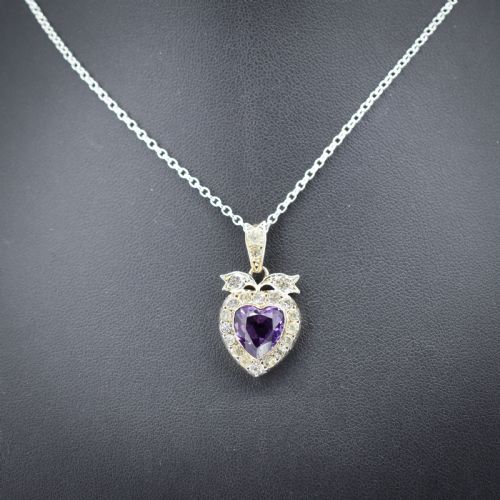
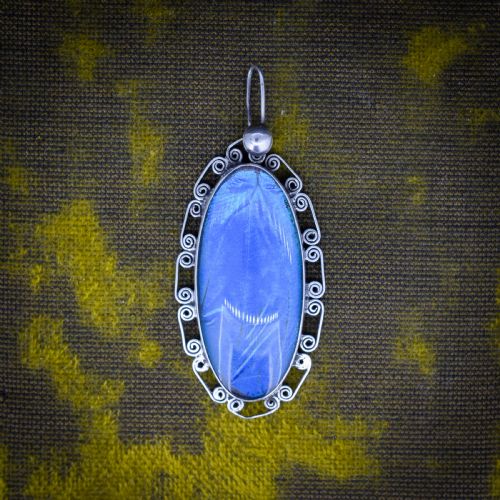
Surface ornamentation relies on applied colourful materials including vitreous enamel, butterfly wings, marcasite, and niello. Gemstones and organic elements like pearls, amethysts, opals, garnets, moonstones, and paste glass provide focal points across the Victorian and Edwardian examples.
Some Victorian lockets contain secret glass compartments specifically designed to display tiny braided locks of a loved one's hair.
What varies in quality
The standard of hand-finishing distinguishes basic production pieces from exceptional goldsmith work. Crispness in the chasing of floral motifs or precision in wire filigree indicates superior workshop execution.
The integrity of the internal hinge and snap closure dictates everyday utility. Pieces retaining their original bezels, glass inserts, and matching chains command greater attention from collectors than modified examples.
John Paul Cooper·Charles Horner·Levinger & Bissinger·Theodor Fahrner
The Silver Locket Necklace Glossary
- Book chain
- A style of necklace composed of wide, flat interlocking links resembling the spine of a book, commonly paired with large Victorian lockets.
- Repoussé
- A metalworking technique where the artist hammers the metal from the reverse side to form a raised design in relief on the front.
- Niello
- A black metallic alloy used as an inlay on engraved silver, creating sharp contrast against the bright metal surface.
- Sknvirke
- A Scandinavian design movement running parallel to Art Nouveau, focusing on organic forms and traditional craft methods.
Silver Locket Necklace: Frequently Asked Questions
How do I open an antique locket?
Most antique lockets rely on a small side hinge and a friction snap or push-button release mechanism. Gentle pressure near the seam usually releases the cover without straining the metal.
Avoid forcing stuck containers with sharp metal tools, as this damages the silver edge and the internal bezel holding the glass portrait cover.
Can I put a modern photo inside?
Original bezels and paper frames accommodate thin paper cut to shape, though modern photographic prints may require careful trimming to fit older dimensions.
Original glass covers protect the interior image, so ensure your replacement photograph sits flat behind the glass without pressing heavily against the surface.
How do I clean antique silver?
Soft cotton cloths remove surface dust and body oils safely without stripping the darker patination accumulated in recessed engraved details. Harsh chemical dips ruin enamel, niello, and delicate gilt surfaces.
Store pieces away from high moisture environments and separate them from other items to prevent scratching softer gemstones like opals or pearls.
Are these chains original to the lockets?
Many Victorian and Edwardian examples survive with their contemporaneous book chains or belcher chains, bearing matching silver hallmarks or wear patterns. Other pieces have been paired with later compatible chains over time.
Examining the link construction, wear consistency, and silver tone helps determine whether the chain and locket share the same period.