




Silver Leaf Strainer
These silver leaf strainer pieces are small tea accessories designed to catch loose leaves, bringing genuine period craft and daily ritual to the table.
Silver Leaf Strainer
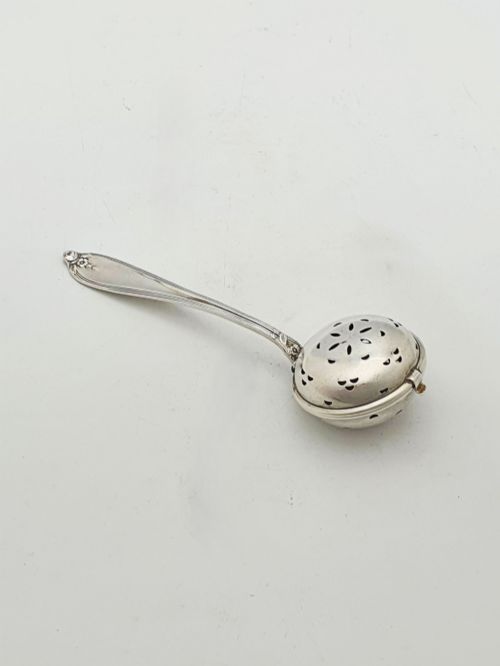
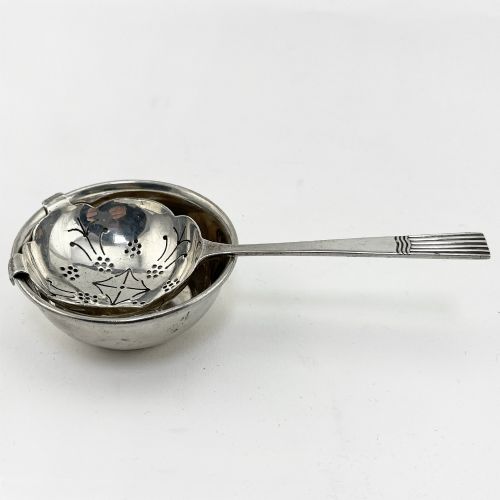
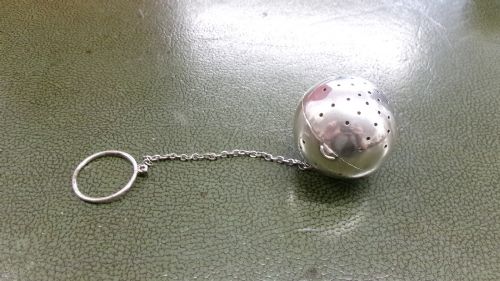
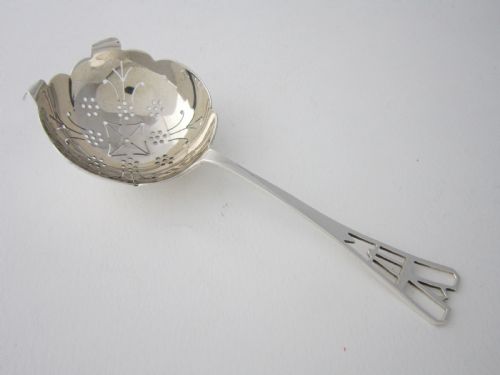
A silver leaf strainer forms part of traditional teaware collections, created to intercept loose tea leaves as liquid pours from pot to cup. You will encounter these items most frequently as sterling silver strainers or infuser spoons originating from the Victorian, Edwardian, and Art Deco periods.
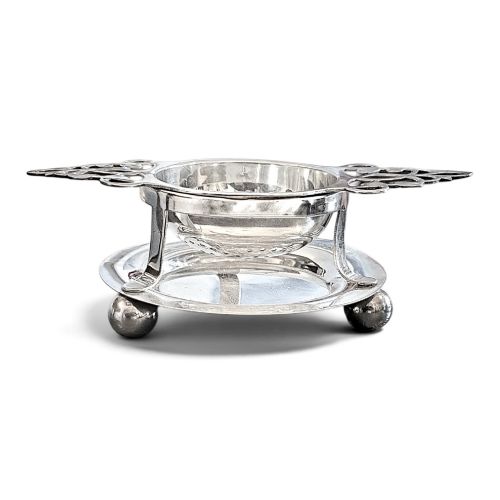
The selection here includes tea utensils equipped with stands, hanging chains, and turned wooden handles. These diverse forms reflect changing domestic habits across the late nineteenth and early twentieth centuries, spanning George V and George VI reigns alongside Continental and Danish examples.
Materials and construction
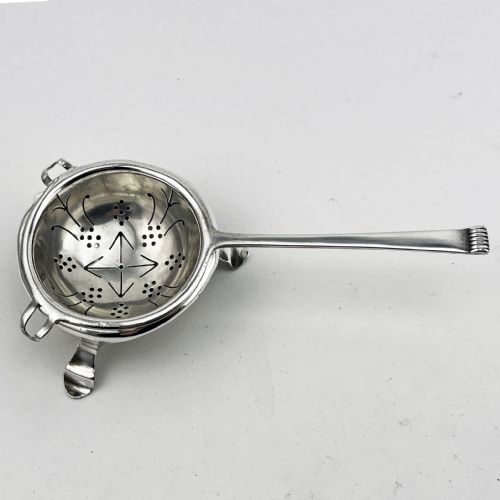
Makers fashioned these pieces primarily from sterling silver and standard silver, applying traditional silversmithing techniques such as piercing, pressing, and soldering. Perforated bowls feature alongside hinged tea infusers and specialised spoons designed to strain leaves efficiently.
Selected examples incorporate turned wooden handles affixed to silver bowls, combining two contrasting traditional materials. Hallmarks stamped into the metal provide official verification of silver purity and production date.
Silver Leaf Strainer Retail Price Guide 2026
Typical asking prices for silver leaf strainer among the pieces listed under this phrase on Sellingantiques today, from the lower quarter to the upper quarter. They describe what is for sale here now, not the wider market.
Current listings span from Victorian mote spoons of 1893 to mid-century sterling silver designs from 1950, encompassing Danish and Continental variants alongside British Edwardian pieces.
Assessing quality and finish
The standard of a silver leaf strainer rests upon the crispness of the pierced or perforated bowl and the structural integrity of any hinges or joints. Superior pieces exhibit well-balanced proportions and clear, legible hallmarks that confirm the maker and assay office.
Craftsmanship in secondary details, such as the turning on wooden handles or the precision of companion stands, elevates particular specimens. Utility grade items show simpler execution, whereas decorated designs demonstrate more ambitious silversmithing skill.
Hammond, Turner and Sons
The Silver Leaf Strainer Glossary
- Sterling silver
- A silver alloy containing 92.5 percent pure silver by mass, with the remainder usually copper. This standard composition is the most common metal used for British tea accessories.
- Mote spoon
- A specialised perforated spoon used in the eighteenth and nineteenth centuries to skim stray leaves from the surface of brewed tea. They often feature a pointed stem tip used for clearing tea pot spouts.
- Hallmark
- An official stamp applied to precious metals indicating standard of purity, place of assay, and date of manufacture. These marks allow collectors to verify the exact age and origin of silver objects.
- Art Deco
- A design style spanning the 1920s and 1930s characterised by geometric forms, stylised motifs, and streamlined shapes. Strainers from this era often display clean lines distinct from earlier Victorian decoration.
- Infuser
- A device holding loose tea leaves directly inside the pot or cup during steeping. Hinged versions permit easy insertion and removal of the leaves.
Silver Leaf Strainer: Frequently Asked Questions
What is a silver leaf strainer?
A silver leaf strainer is a small perforated utensil placed over a teacup to catch loose leaves during pouring. They emerged as essential tea accessories during the Victorian period and remained popular through the mid-twentieth century.
These items range from simple bowls with resting handles to complex infusers on chains and hinged spoon designs. Each piece reflects the social habits of afternoon tea culture.
How do I use a vintage strainer?
Hold the strainer directly above your teacup using its side handles or rest it across the rim before pouring tea from the pot. The pierced bowl catches the loose leaves while allowing the brewed liquid to pass through clearly.
After use, rinse the silver gently in warm water and dry it with a soft cloth to preserve the metal finish. Avoid abrasive cleaners that might damage antique surfaces or hallmarks.
How do I date an antique strainer?
Dating relies primarily on the hallmarks stamped directly onto the silver surface, which indicate the assay office and specific year of production. Stylistic clues such as geometric Art Deco patterns or ornate Victorian scrollwork also help narrow down the era.
Most surviving pieces date from the late nineteenth century through to the mid-twentieth century, spanning the Edwardian era and successive royal reigns.
Are wooden handles original?
Certain strainers feature turned wooden handles designed to insulate fingers from hot tea during use. These organic elements were fitted by the original silversmiths using secure pinned or threaded joints.
When examining these pieces, look for tight joints and natural grain matching the period aesthetic of the metalwork.