



Silver Leaf Bowl
A silver leaf bowl or related server brings botanical form and precious metal to the table, and you are looking at practical tableware crafted in silver and pewter.
Silver Leaf Bowl
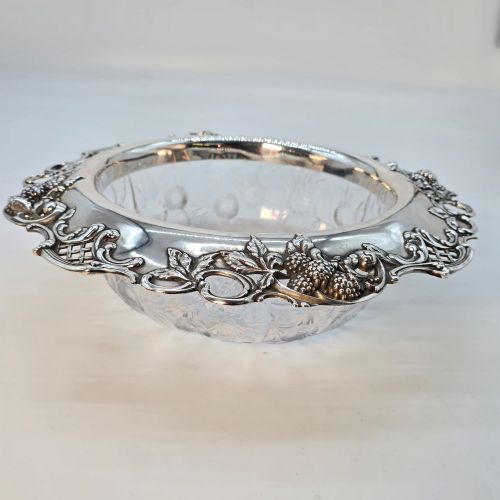
A silver leaf bowl brings together organic botanical design and precious metals, taking the shape of natural foliage to serve meals or display decorative items. When you search for a silver leaf bowl, you encounter table accessories and serving pieces that span multiple eras from the eighteenth century to the mid-twentieth century.
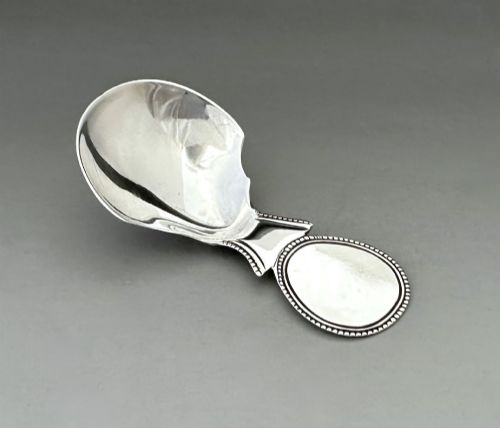
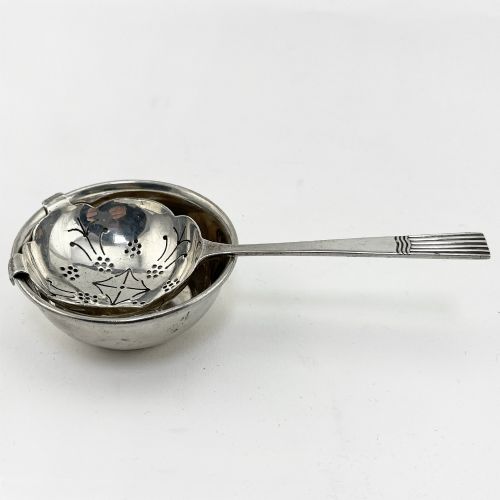
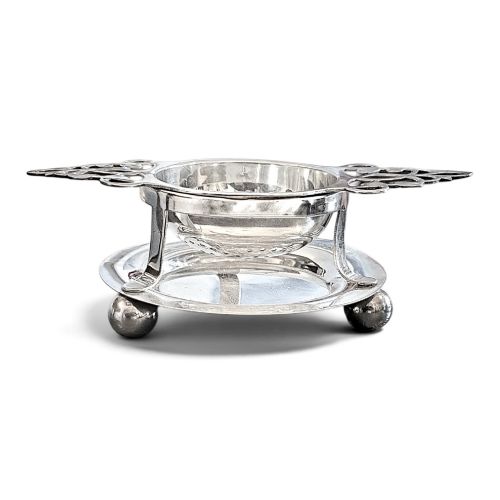
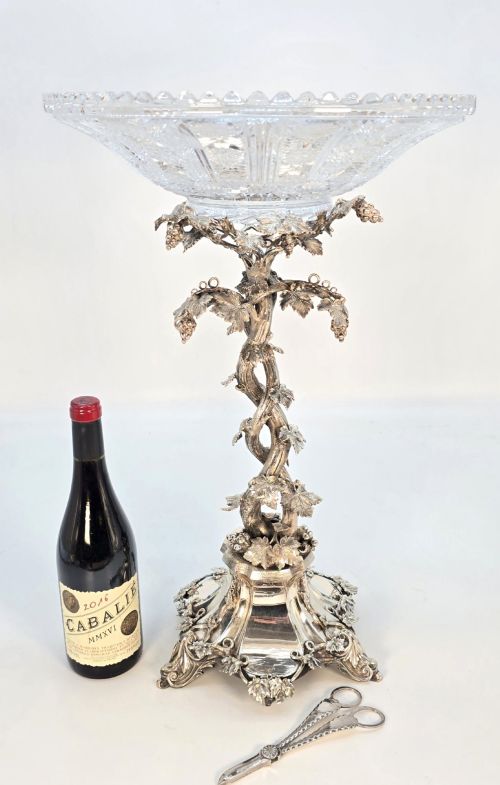
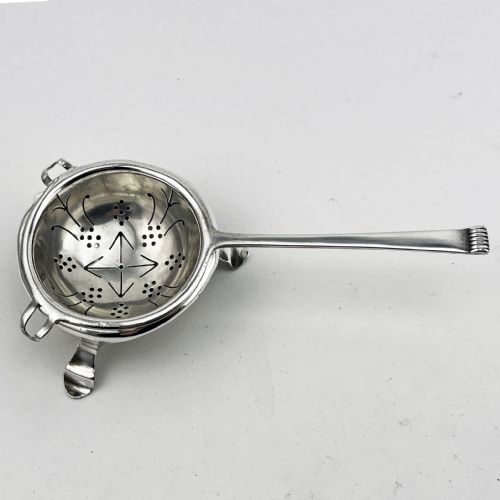
The selection on this page runs from Edwardian tea strainers and Victorian cranberry preserve dishes to twentieth-century sterling silver bowls. Makers utilised diverse forms including table centrepieces, caddy spoons, and figural fruit stands, with many items drawing on Georgian, Victorian, and Art Nouveau aesthetics.
How they were made
Silversmiths and metalworkers shaped these objects from sterling silver, silver plate, pewter, and silver gilt, often combining metals with cut glass or crystal. Pieces such as nineteenth-century centrepieces and Edwardian strainers relied on traditional casting, hammering, and engraving techniques to define the veins and contours of natural foliage.
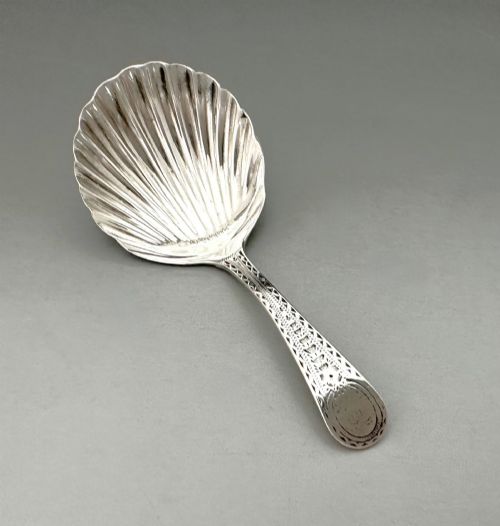
Makers integrated glass elements like cranberry glass and crystal into silver baskets and stands, creating contrast between transparent vessels and reflective metal. Engraving added surface detail, visible in foliate patterns on rectangular caddy spoons and decorative dishes.
Silver Leaf Bowl Retail Price Guide 2026
Typical asking prices for silver leaf bowl among the pieces listed under this phrase on Sellingantiques today, from the lower quarter to the upper quarter. They describe what is for sale here now, not the wider market.
Some nineteenth-century tea drinkers required specialised spoons shaped precisely like foliage just to measure their afternoon leaves.
What varies in quality
Quality in these items rests on the crispness of the leaf casting, the weight of the metal, and the harmony between glass and silver components. Superior examples display fine, realistic detailing in the veins and edges of the leaf, alongside substantial sterling silver construction rather than thin silver plating.
The execution of decorative elements, such as figural mounts on pewter stands or hand-engraved foliage on caddy spoons, separates standard production from finer craftsmanship. Maker marks and clear hallmarks also contribute to the distinction of individual pieces.
Hammond, Turner & Sons·Tiffany & Co.·WMF
The Silver Leaf Bowl Glossary
- Sterling silver
- An alloy containing a high proportion of pure silver by weight, used extensively for durable tableware and decorative bowls. It carries official hallmarks that indicate the assay office and year of testing.
- Silver gilt
- Silver that has been coated with a thin layer of gold on its surface, giving the metal a warm, golden sheen. This technique was frequently applied to the interior of baskets and preserve dishes.
- Caddy spoon
- A short-handled spoon specifically designed to measure loose tea leaves from a caddy into a teapot. Many examples from the Georgian and Victorian periods feature shell or leaf-shaped bowls.
- Table centrepiece
- A large, decorative focal point placed in the middle of a dining table for fruit, flowers, or sweetmeats. These pieces often combine cut glass bowls with silver-plated or pewter stands.
- Pewter
- A malleable metal alloy historically composed of tin alloyed with copper and antimony, utilised for domestic vessels and decorative stands. It provides a subdued grey finish suited to Art Nouveau designs.
Silver Leaf Bowl: Frequently Asked Questions
What is a silver leaf bowl used for?
These pieces serve practical and decorative functions on the dining table, holding items such as preserves, fruit, or tea leaves depending on the specific form.
Smaller items function as caddy spoons or tea strainers, while larger dishes and centrepieces act as open serving vessels for meals.
How do I identify the period of a silver item?
Stylistic clues such as Art Nouveau curves or Regency proportions offer initial indications of a piece's age.
Official hallmarks stamped into sterling silver items provide precise dates and assay office locations to confirm the era.
What materials are combined with the silver?
Many serving pieces incorporate cut glass, crystal, or cranberry glass to hold contents within a metal basket or frame.
Pewter and silver plate also appear frequently alongside solid sterling silver and gold-washed silver gilt.
How do I care for antique silver and pewter?
Store items in dry environments and clean them gently with appropriate silver or pewter polishing cloths to maintain the metal surface.
Avoid abrasive cleaners that can wear down delicate hand-engraved details or thin silver plating.