

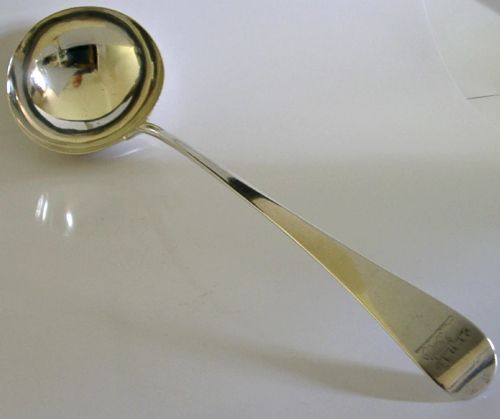
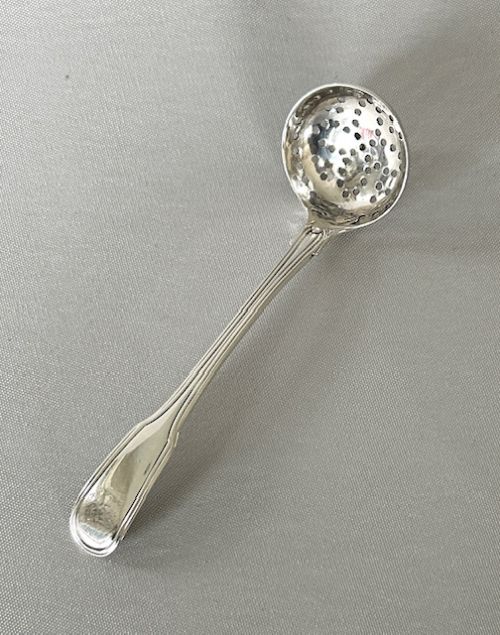
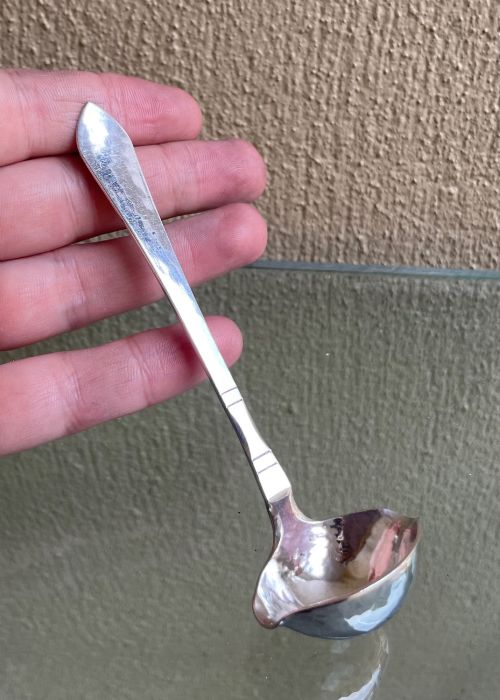
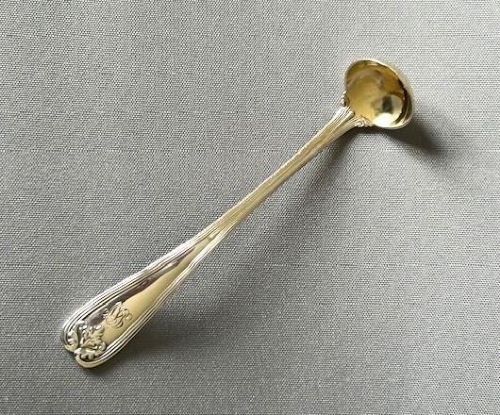
Silver Ladle Spoon
When you search for a silver ladle spoon, you enter a world of heavy Georgian soup servers, delicate Victorian sifter spoons, and provincial Scottish craft.
Silver Ladle Spoon
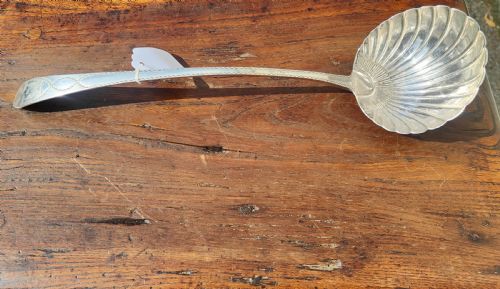
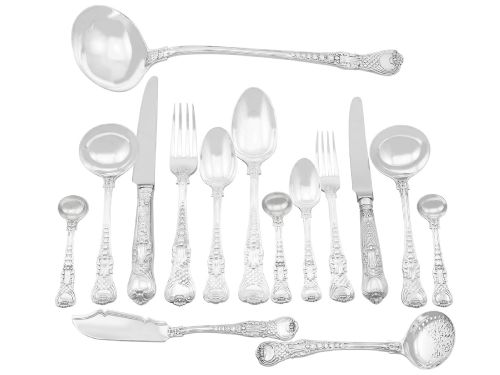
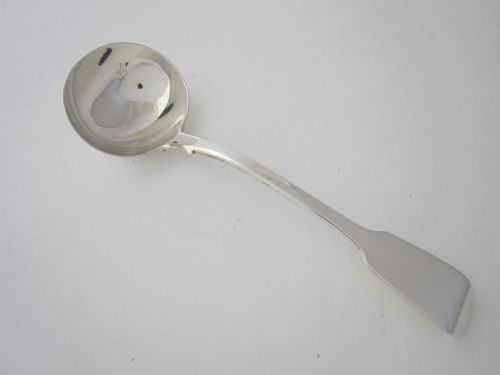
A silver ladle spoon serves multiple dining and social functions, ranging from large soup and punch ladles to smaller condiment, cream, and sugar sifter spoons. You will encounter forms spanning the Georgian, Victorian, and Edwardian periods, alongside continental European and Scandinavian pieces.
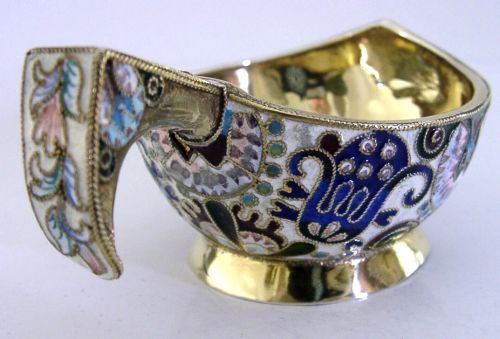
The material composition centres on sterling silver, solid silver, and silver-gilt, occasionally accompanied by wood handles or cloisonne enamel. Makers worked in distinct styles such as Old English, Fiddle, King's Hourglass, and Queen's pattern.
Provincial workshops from Glasgow, Dublin, Inverness, and York sit alongside major London makers and international houses like Tiffany and Georg Jensen. These utensils served punch, soup, gravy, and tea table requirements in period households.
What varies in quality
The weight of the metal and the crispness of the handle pattern separate everyday examples from high-end workshop pieces. Heavy gauge silver resists bending at the neck where bowl meets handle.
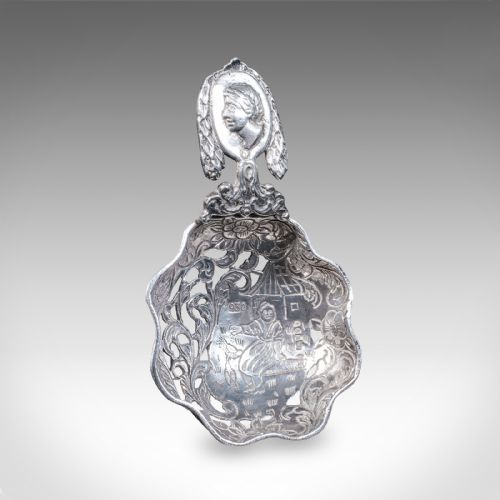
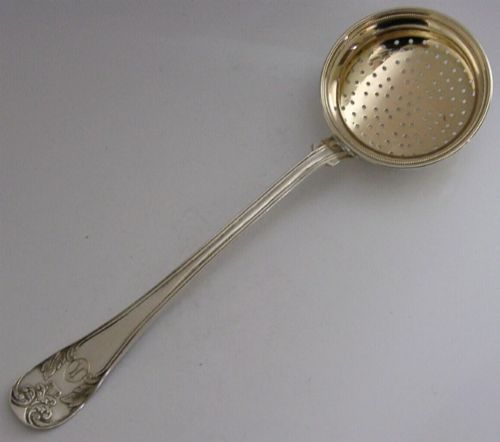
The clarity of hallmarks and provincial town marks indicates the origin and standard of the piece, while detailed piercing on sifter bowls shows the skill of the silversmith.
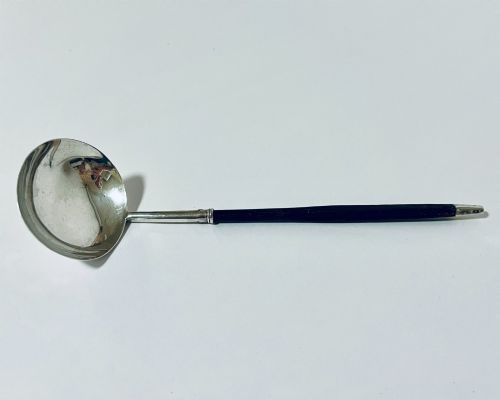
Some eighteenth-century toddy ladles feature silver bowls inset with old coins so drinkers could gaze at royalty while sipping punch.
Milne and Campbell·Hester Bateman·John Yates·Michael Smith·Jamieson and Naughton·Mary Chawner·Tiffany and Co·Georg Jensen
The Silver Ladle Spoon Glossary
- Toddy ladle
- A small drinking vessel with a bowl and handle, often featuring a twisted whalebone or turned wood handle, used for serving hot punch or toddy. These frequently incorporate inset coins or medals in the bowl base.
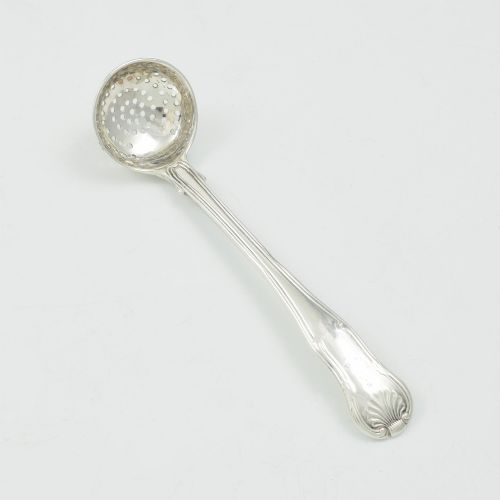
- Sifter spoon
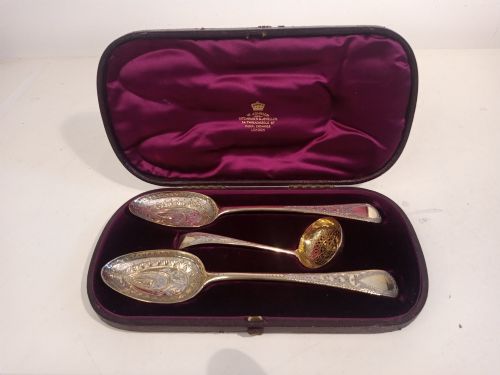
- A utensil with a pierced or perforated bowl designed for dusting sugar or spices onto food or drink. They appear in Georgian and Victorian forms with ornate shell or floral patterns.
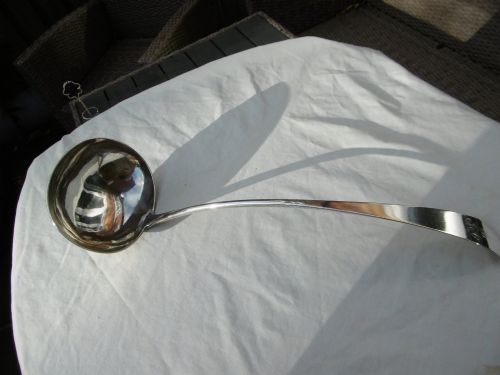
- Soup ladle
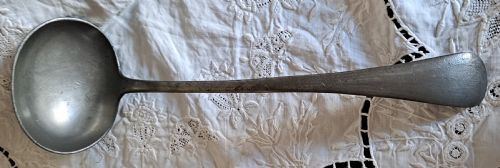
- A large serving spoon with a deep bowl and long handle intended for portioning soup from a tureen. Examples range from plain Old English designs to heavy crested Georgian iterations.
- Silver-gilt
- Silver that has been coated with a thin layer of gold on its surface, creating a rich golden finish. This technique appears on baptism spoons, kovsh cups, and decorative serving pieces.
- Hallmark
- A series of stamped marks on precious metal objects indicating the maker, assay office, standard of purity, and date of manufacture. Provincial pieces often display distinct town marks that differ from standard city assay office symbols.
Silver Ladle Spoon: Frequently Asked Questions
What is a silver ladle spoon used for?
These utensils served specific dining duties depending on their size and bowl shape. Large examples portioned soup or punch from heavy bowls, while smaller variations handled cream, gravy, spices, or sugar.
Dining rituals of the eighteenth and nineteenth centuries required specialised flatware for every course and condiment. A sifter spoon dusted sugar onto desserts or tea, whereas a toddy ladle mixed and served warm alcoholic drinks.
How do I date a silver ladle spoon?
Assay office hallmarks stamped directly onto the silver provide the most reliable guide to a piece's age. Date letters, maker marks, and duty stamps reveal the exact year and town of creation.
Stylistic clues also help narrow the period. Early Georgian pieces often feature plain or feather-edge handles, while Victorian versions lean towards ornate scrollwork and specific patterns like Fiddle or Queen's.
How do I care for antique silver ladles?
Regular, gentle cleaning with a specialist silver cloth maintains the metal without harming the underlying surface. Avoid harsh abrasive dips that strip away desirable patination built up over centuries.
Store pieces in tarnish-resistant rolls or dry environments away from direct sunlight. Utensils with wooden handles require particular care to keep the organic material from drying out.